
"US Gives Iran Another 'Friendly Reminder'—This Time via Air Express."
The report states that the U.S. military carried out daytime airstrikes targeting Iranian coastal defence systems and cruise missile storage facilities on Greater Tunb Island, citing U.S. Central…
Politics
World Edition
By CMS Admin
🕵 AI Narrative Audit
The statement adopts a military-operational framing centered on U.S. actions and reported targets while providing no Iranian perspective, independent verification, or broader context about the conflict, which may limit readers' understanding of the event.
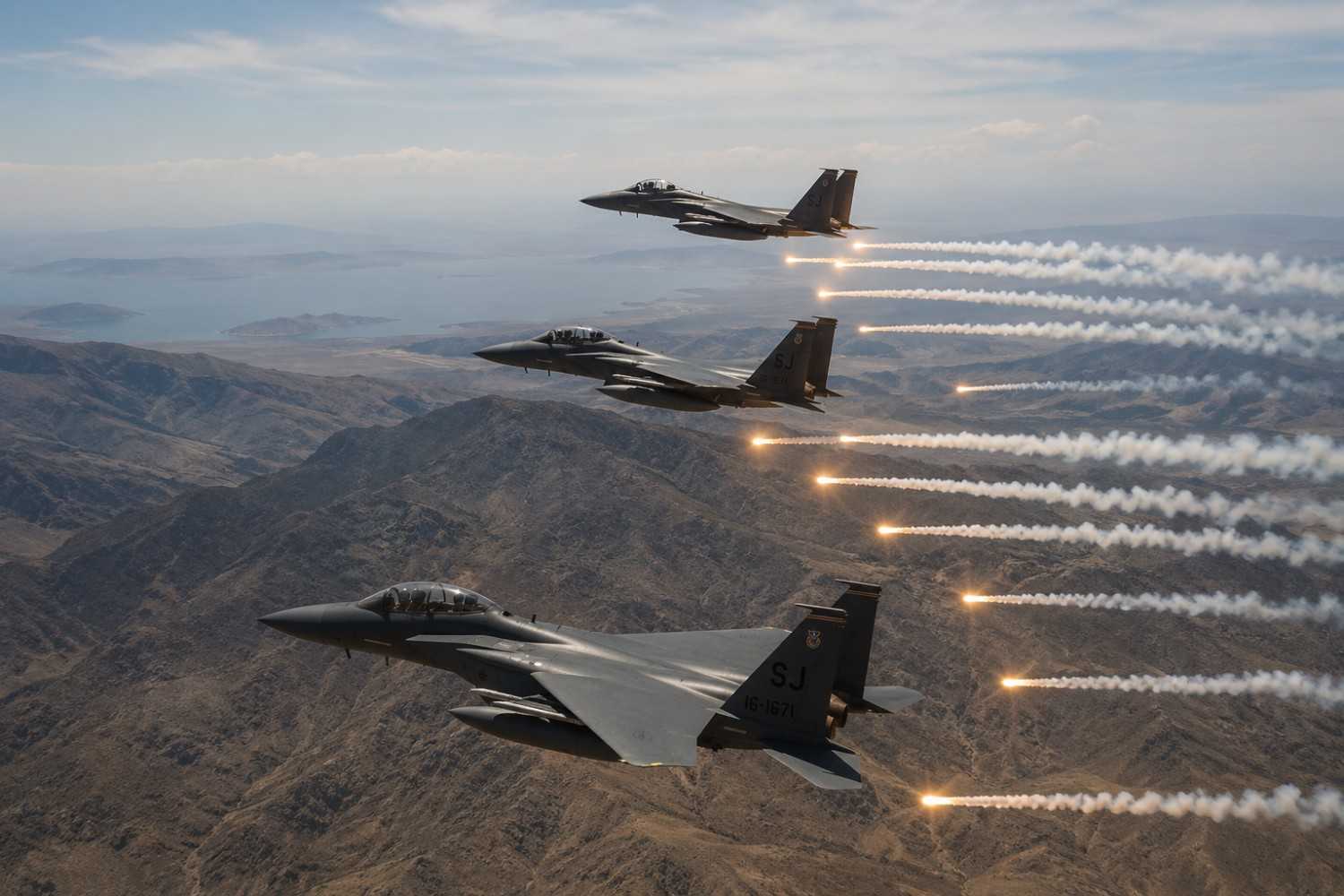
The United States military has carried out a fresh round of daytime airstrikes against Iranian military infrastructure, targeting coastal defence systems and cruise missile storage facilities on Greater Tunb Island, according to a statement from the US Central Command (CENTCOM).
The strikes mark another escalation in the already tense confrontation between Washington and Tehran, highlighting the fragile security environment across the Gulf region. While US officials described the operation as a precision strike aimed at degrading Iran's military capabilities, Iranian authorities had not immediately released an official assessment of the reported damage at the time of reporting.
Strategic Importance of Greater Tunb Island
Greater Tunb Island occupies a strategically significant position near the Strait of Hormuz, one of the world's busiest maritime chokepoints through which a substantial portion of global oil exports passes. The island has long been viewed as an important military outpost because of its proximity to critical international shipping lanes.
Military analysts note that coastal defence systems and cruise missile installations in the region are considered vital components of Iran's deterrence strategy, providing surveillance and defensive capabilities over nearby waters.
US Military Objectives
According to CENTCOM, the latest operation focused specifically on facilities associated with coastal defence infrastructure and cruise missile storage. Such strikes are typically intended to reduce an adversary's ability to threaten naval operations or commercial shipping routes during periods of heightened regional tensions.
US officials have repeatedly stated that military actions are designed to protect American personnel, allied forces, and freedom of navigation in the region.
Regional Security Concerns
The reported airstrikes are likely to intensify concerns among neighbouring Gulf states and the wider international community. Increased military activity around the Strait of Hormuz raises fears of disruptions to maritime trade, energy supplies, and broader regional stability.
Security experts warn that continued military exchanges between the United States and Iran carry the risk of further escalation, particularly if retaliatory actions occur.
Awaiting Iran's Response
As of now, Iranian officials have not publicly confirmed the extent of any damage or announced potential countermeasures related to the reported strikes. Independent verification of battlefield claims remains limited during rapidly developing military situations.
The international community is expected to closely monitor diplomatic and military developments, as any further escalation could have significant geopolitical and economic consequences extending well beyond the Middle East.
Conclusion
The reported US airstrikes on Greater Tunb Island represent another significant development in the ongoing tensions between the United States and Iran. While Washington describes the operation as targeting military infrastructure, the full impact and potential regional consequences will depend on subsequent responses from Tehran and the broader diplomatic efforts aimed at preventing a wider conflict.
Source: Editorial
View Original Source →