
“Paper Leak Probe Promised, Resignation Demand Delivered: CJP Turns Pradhan Into the Exam’s First Casualty”
The report highlights the CJP's demand for Dharmendra Pradhan's resignation while connecting it to Prime Minister Narendra Modi's assurance of an investigation into paper leaks. However, the framing…
Politics
Indian Edition
By CMS Admin
🕵 AI Narrative Audit
The framing is mildly critical of the government by highlighting the resignation demand while implying that the paper-leak controversy has created political pressure on Dharmendra Pradhan.
Prime Minister Narendra Modi on Thursday, July 23, 2026, said the government would establish fast-track courts to ensure swift action against those involved in paper leaks, amid continuing political and public pressure over alleged irregularities in examinations.
In a social media post, Modi said the welfare and future of young people remained a priority for his government. He said fast-track courts would be set up to deliver "swift and stringent punishment" to those found responsible for paper leaks and added that concerned authorities had been directed to take the necessary steps.
The Prime Minister also said the move was part of a broader series of measures aimed at protecting the interests of students. He warned that those who attempted to harm the future of young people would not be spared.
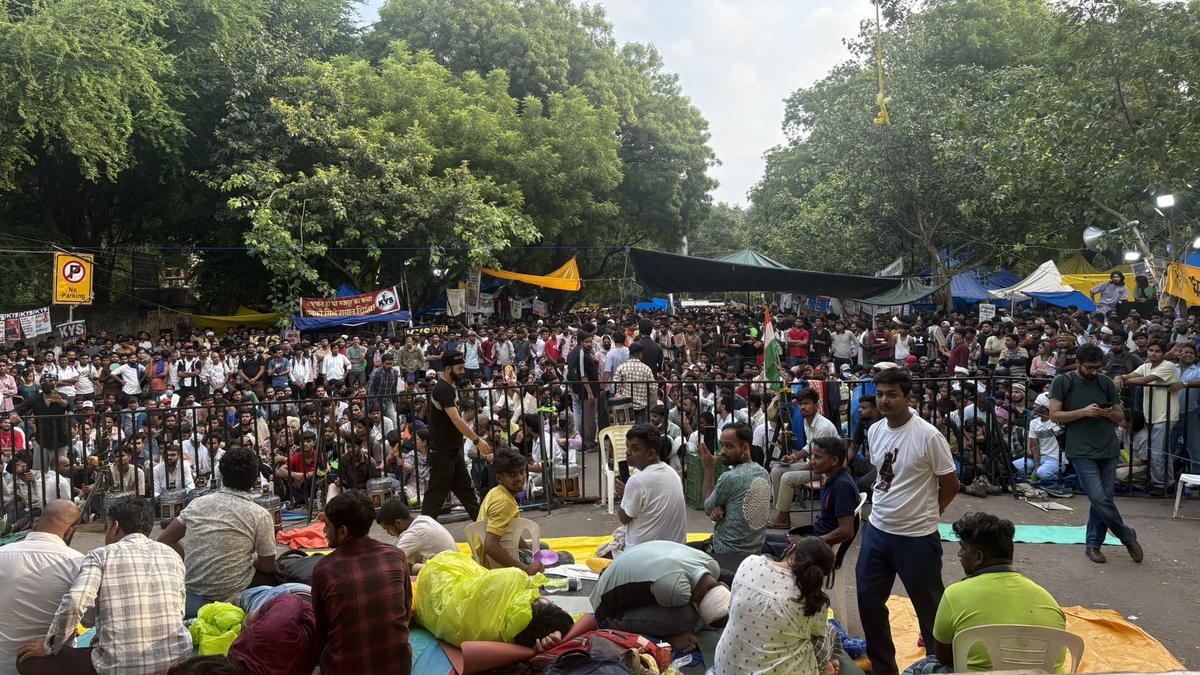
The announcement came as protests led by the Cockroach Janta Party (CJP) continued in Delhi. CJP spokesperson Saurav Das said on Wednesday, July 22, that the resignation of Education Minister Dharmendra Pradhan remained "non-negotiable" and that the protest would continue until the demand was addressed.
Das also said he had spoken several times with Sonam Wangchuk during the day and that both had agreed that the demonstrations should remain peaceful. CJP founder Abhijeet Dipke praised supporters of the movement and said the strength of the protest lay in peace and nonviolence, while alleging that demonstrators had faced a government crackdown.
Meanwhile, Delhi Police has registered 10 FIRs against unidentified individuals in connection with the ongoing CJP protest at Jantar Mantar, according to a police officer. Four FIRs were registered at Sansad Marg police station, while three were filed at Connaught Place. Mandir Marg, Kartavya Path and Barakhamba Road police stations registered one FIR each.
The developments have added another layer to the debate surrounding examination irregularities and the government's response. While the Prime Minister's announcement of fast-track courts signals an emphasis on quicker legal action against those found responsible for paper leaks, the CJP continues to demand political accountability, particularly through the resignation of the Education Minister.
Sonam Wangchuk, meanwhile, said on Wednesday that he would end his indefinite hunger strike if the Centre provided an unequivocal assurance that students and young people who participated in protests against alleged examination irregularities would not face punitive or retaliatory action.
The situation highlights the growing pressure on authorities to address concerns over examination integrity while ensuring that students' interests remain central to the response. The government's proposed fast-track courts could lead to quicker proceedings in confirmed paper-leak cases, but questions surrounding accountability, the protection of peaceful protesters and the broader handling of examination-related grievances are likely to remain part of the public debate.
As the protests continue, the focus is now on whether the government's proposed measures will satisfy protesters and student groups, and whether the authorities can provide a credible mechanism to prevent future examination irregularities while holding those responsible accountable.
Source: Editorial
View Original Source →