
“Rain Takes Six-Day Break, Amarnath Yatra Finally Gets the Green Signal”
The Amarnath Yatra has resumed after a six-day suspension caused by adverse weather conditions, allowing pilgrims to continue their journey. While the restart is a positive development, the…
Politics
Indian Edition
By CMS Admin
🕵 AI Narrative Audit
The headline uses a light, humorous tone that personifies the weather while framing the resumption of the Amarnath Yatra positively, potentially downplaying the seriousness of the weather-related disruption and safety concerns.
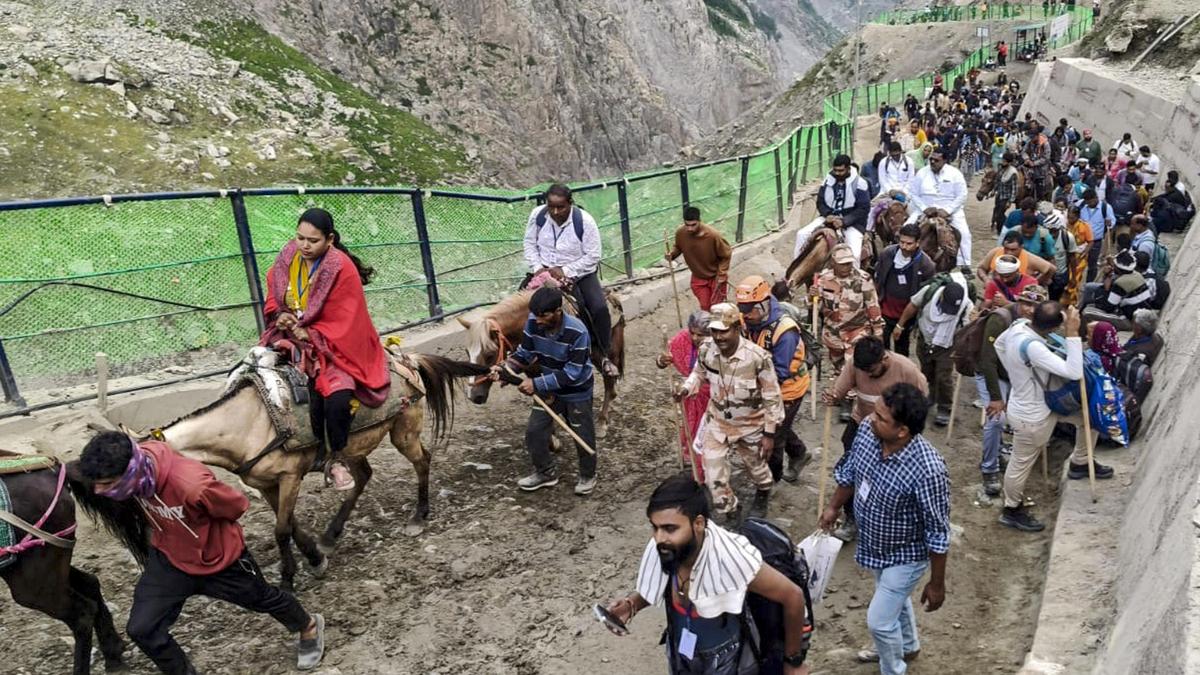
The annual Amarnath Yatra resumed from Jammu on Saturday, July 25, 2026, after remaining suspended for six days due to inclement weather conditions.
According to officials, a fresh batch of more than 6,000 pilgrims departed from the Bhagwati Nagar base camp in Jammu for the Baltal base camp in the Kashmir Valley, marking the resumption of the pilgrimage after the weather-related disruption.
The suspension had temporarily halted the movement of pilgrims, with authorities prioritising safety amid unfavourable weather conditions in the region. The restart of the yatra has brought relief to devotees who had been waiting to continue their pilgrimage to the holy Amarnath cave shrine.
The annual pilgrimage attracts thousands of devotees from across India and other parts of the country. Pilgrims traditionally undertake the challenging journey through the Himalayan terrain to pay their respects at the revered shrine.
With the yatra now underway again, authorities are expected to continue monitoring weather conditions and the safety of pilgrims along the routes. Devotees have also been advised to remain alert and follow official instructions as they proceed with their journey.
The resumption of the pilgrimage comes as a significant development for thousands of devotees who had been affected by the six-day suspension, allowing the annual religious journey to move forward once again.
Source: Editorial
View Original Source →