
ok Sabha Targets Paper Leaks, Rajya Sabha Targets Vande Mataram Insults—Nation Waits for a Bill Against Exam Stress
The Lok Sabha’s passage of the anti-paper-leak Bill and the Rajya Sabha’s approval of legislation concerning insults to Vande Mataram represent separate legislative efforts addressing examination…
Politics
Indian Edition
By CMS Admin
🕵 AI Narrative Audit
The framing uses sarcasm to highlight Parliament’s legislative priorities, potentially implying that symbolic or punitive measures are being prioritised over broader concerns such as exam integrity and student welfare.
New Delhi, July 29, 2026: Parliament witnessed a politically charged Wednesday as the Lok Sabha approved amendments strengthening the law against paper leaks and examination-related malpractice, while the Rajya Sabha passed legislation extending criminal penalties to insults or disruption involving the national song Vande Mataram.
The two developments came amid protests and disruptions in Parliament, with Opposition members raising slogans during proceedings and repeatedly pressing the government on issues concerning students and examination-related controversies.
Lok Sabha Approves Stricter Anti-Paper Leak Law
The Lok Sabha on Wednesday approved the Public Examinations (Prevention of Unfair Means) Amendment Bill, 2026, which seeks to strengthen the existing 2024 law dealing with unfair practices in public examinations.
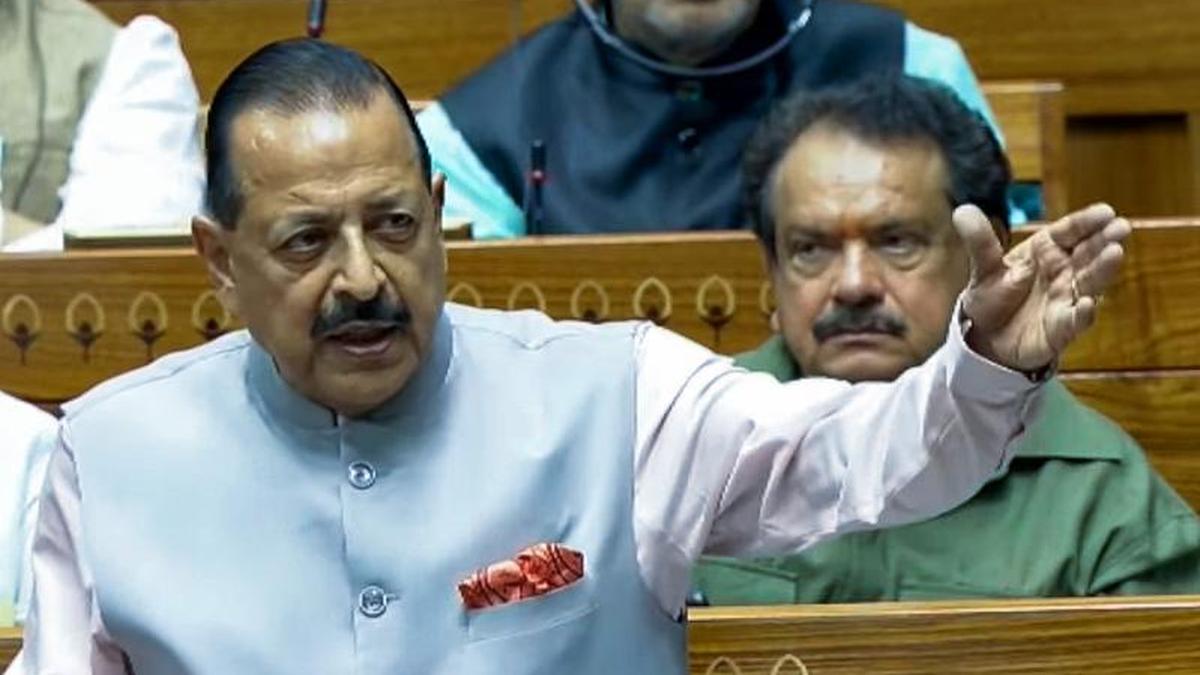
The Bill was introduced by Union Minister Jitendra Singh on July 27. According to the government, the amendments are intended to provide stronger deterrence, faster investigation and quicker trials in cases involving organised examination malpractice and question-paper leaks.
One of the major proposed changes is an increase in punishment for individuals involved in unfair means. The imprisonment provision would rise from a minimum of three years, extendable up to five years, to a minimum of five years and up to 10 years. The maximum fine would also increase from ₹10 lakh to ₹50 lakh.
The amendments also propose tougher consequences for service providers involved in examination offences. Their maximum fine would rise from ₹1 crore to ₹5 crore, while the period for which they can be barred from conducting public examinations would increase from four years to eight years.
The legislation further proposes enhanced punishment for managerial personnel of service providers found guilty of offences under the law.
Faster Investigation and Special Courts
Beyond increasing penalties, the proposed amendments focus on speeding up the legal process.
The government has proposed fast-tracked investigations, Special Fast Track Courts, Special Public Prosecutors and time-bound disposal of appeals. The stated objective is to ensure that cases involving examination malpractice do not remain pending for years and that stronger punishment is accompanied by faster enforcement.
The move comes against a backdrop of continuing concerns over the credibility and security of competitive examinations. For millions of students, the issue extends beyond a leaked question paper: an affected examination can mean lost preparation time, additional financial costs and uncertainty over admissions or recruitment.
The tougher law is therefore being presented by the government as an attempt to strengthen confidence in the public examination system.
Opposition Protests During Lok Sabha Proceedings
The passage of the Bill, however, took place amid political tension in the House.
Opposition members raised slogans and disruptions during proceedings, reflecting wider disagreements over the government's handling of examination-related controversies and student concerns. Despite the protests, the Lok Sabha proceeded with consideration of the legislation and approved the amendment Bill.
The debate highlights an important distinction: tougher punishment can act as a deterrent, but legislation alone cannot guarantee that examination systems will become leak-proof. Secure paper-setting and printing procedures, controlled access to examination material, reliable technology, transparent investigations and accountability across the examination chain remain crucial to preventing malpractice.
Rajya Sabha Passes Vande Mataram Bill
In the Rajya Sabha, another significant Bill cleared the House on Wednesday.
The Prevention of Insults to National Honour (Amendment) Bill, 2026 was passed by voice vote. The legislation seeks to amend the Prevention of Insults to National Honour Act, 1971, extending its provisions to the national song Vande Mataram.
The existing law provides penalties relating to certain acts involving the national flag, Constitution and national anthem. The amendment seeks to bring the national song within the relevant statutory protection. Under the proposed framework, intentionally preventing the singing of Vande Mataram or causing disturbance to an assembly engaged in its singing would attract the applicable criminal provisions.
The Bill had been introduced in the Rajya Sabha on July 24. Its stated effect is to extend to Vande Mataram protections similar to those already provided to the national anthem under the 1971 legislation.
Proceedings Marked by Protests and Adjournments
The passage of the Vande Mataram legislation followed a turbulent day in the Rajya Sabha.
The House witnessed repeated disruptions, including two adjournments earlier in the day. After proceedings resumed following the lunch break, Deputy Chairman Harivansh appealed to protesting members to maintain parliamentary decorum.
Opposition parties also raised other issues during the proceedings, contributing to the political confrontation inside the House. Reports said some Opposition parties later walked out while seeking a statement from Home Minister Amit Shah on issues connected with student protests.
Two Different Bills, One Politically Charged Day
Although the two Bills deal with very different subjects, their passage on the same day added to the political intensity of the Monsoon Session.
The anti-paper-leak legislation is primarily focused on examination integrity, punishment and enforcement, while the Vande Mataram amendment concerns statutory protection for the national song.
For students and examination candidates, the anti-paper-leak Bill carries particular significance because the credibility of competitive examinations depends not only on punishing those responsible after a leak but also on preventing breaches before they occur.
Similarly, extending legal protection to the national song raises questions about how the amended provisions will be interpreted and enforced in practice. Clear legal standards and consistent application will be important to ensure that the law operates within its intended scope.
What the Bills Mean
The Lok Sabha's approval of the anti-paper-leak amendment represents a move towards harsher penalties and faster prosecution for examination malpractice. The proposed maximum punishment of 10 years' imprisonment and ₹50 lakh fine for individuals marks a substantial increase over the existing provisions.
The Rajya Sabha's passage of the Vande Mataram amendment would provide the national song with specific statutory protection under the Prevention of Insults to National Honour framework.
Both developments now form part of a broader parliamentary debate over law, accountability and national institutions.
For the examination system, however, the ultimate test will not simply be the severity of punishment. It will be whether stronger laws are accompanied by effective prevention, secure examination infrastructure, transparent investigations and timely justice.
As Parliament continues its Monsoon Session, the passage of these Bills is likely to remain part of a wider political debate over student welfare, examination integrity, national symbols and the priorities of the legislature.
Source: Editorial
View Original Source →