
Hasina Wants Awami League Back on the Ballot, Politics Wants a Time Machine
Former Bangladesh Prime Minister Sheikh Hasina has called for the ban on the Awami League to be lifted, arguing that the restriction should be reversed. A balanced account should also explain the…
Politics
World Edition
By CMS Admin
🕵 AI Narrative Audit
The report centers Sheikh Hasina demand to lift the ban on the Awami League but should also provide the legal basis for the ban and the government's rationale to ensure balanced context.
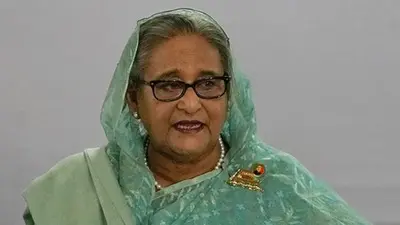
Former Bangladesh Prime Minister Sheikh Hasina has called for the ban on her political party, the Awami League, to be lifted, while reiterating her intention to return to Bangladesh in December. Speaking on Wednesday (August 5, 2026), Hasina argued that the restriction on the party should be reversed and maintained that the Awami League continues to have an important role in the country's democratic process.
Hasina's remarks come at a time of continued political uncertainty in Bangladesh following dramatic changes in the country's leadership. The Awami League, which governed Bangladesh for years under Hasina's leadership, has faced significant legal and political challenges since her removal from office, including the imposition of a ban on the party by the authorities.
While calling for the restoration of the party's political rights, Hasina also repeated her earlier statement that she plans to return to Bangladesh in December. However, she did not elaborate on the circumstances of her proposed return or whether any legal or political developments would precede it.
Supporters of the former Prime Minister argue that political participation should be determined through democratic elections rather than restrictions on political parties. They contend that allowing all major political groups to participate strengthens democratic institutions and ensures broader political representation.
The current authorities, however, have defended actions taken against the Awami League by citing legal and governance concerns. Officials have maintained that decisions regarding political parties are being taken within the framework of the country's laws and judicial processes. Any changes to the party's legal status are expected to depend on future court rulings or government decisions.
Political analysts believe the issue is likely to remain central to Bangladesh's evolving political landscape. Whether the ban remains in place or is lifted could significantly influence the country's political environment ahead of future electoral developments.
Hasina's statement has once again drawn international attention to Bangladesh's domestic political situation, with observers closely watching how the government, judiciary, and political stakeholders respond in the coming months. As debates over political participation and democratic processes continue, developments surrounding the Awami League are expected to remain a key issue in the country's national discourse.
Source: Editorial
View Original Source →