The UK government’s planned ban on social media access for under-16s has triggered a growing debate between educators and policymakers over its potential social consequences, with some school leaders warning that the policy could unintentionally deepen youth isolation if not paired with stronger community support systems.
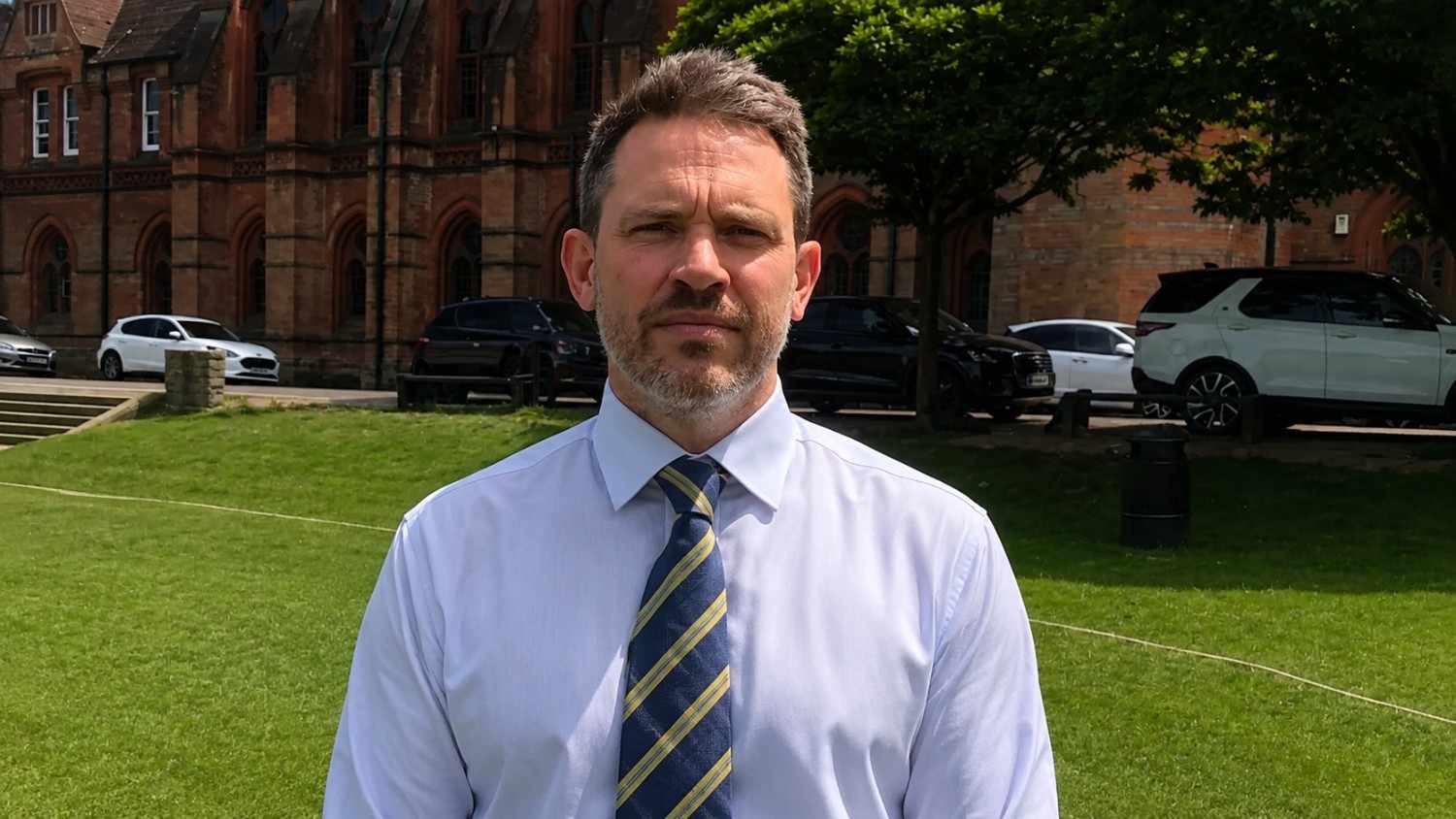
Chris Evans, headteacher at Reading School in Berkshire, has welcomed the intent behind the regulation but that removing platforms like TikTok, Snapchat, and Instagram without sufficient alternatives could leave young people socially disconnected. He warned that in the absence of structured support and meaningful offline engagement, some children might seek alternative online spaces that are far less safe.
The government has announced that millions of children will lose access to major social media platforms from leap 2027, pending statutes expected before Christmas. Alongside the restrictions, messaging services such as WhatsApp and Signal will remain available, while gaming platforms like Roblox will not be banned. However, features including livestreaming and direct contact from strangers will be restricted for under-16s.
As part of the rollout, the Department for Education has committed £130 million to the “Every Child Can” programe, designed to fund school-based and community activities during weekends and holidays. Officials say the initiative aims to ensure enrichment opportunities become a universal right, reducing reliance on digital platforms for social interaction.
Despite welcoming the ban in principle, Evans underscore that policy success will depend on investment in youth services and real-world social opportunities. “A ban is only one part of the process,” he said, arguing that schools and communities must help young people build “fulfilling relationships” offline.
He also warned that without such investment, some teenagers could drift toward unsafe online environments. “If we don’t find ways to support young people they will become more isolated and their alternative companions, perhaps on the dark web, could be worse,” he said.
The government, led by Prime Minister Sir Keir Starmer, says the measures are designed to reduce harms associated with excessive social media use. Education Secretary Bridget Phillipson said the goal is to ensure children can access meaningful childhood experiences regardless of background, arguing that “investment is about making sure the childhood experiences we truly value can once again be for every young person, wherever they live.”
The policy also includes future consideration of additional safeguards for older teenagers, such as limits on infinite scrolling and curfews for 16- and 17-year-olds, as well as restrictions on AI tools enabling intimate or sexual conversations for under-18s.
Supporters of the plan say it could help rebalance children’s relationship with technology, while critics caution that its effectiveness will depend heavily on how well offline alternatives are funded and implemented in schools and communities.