
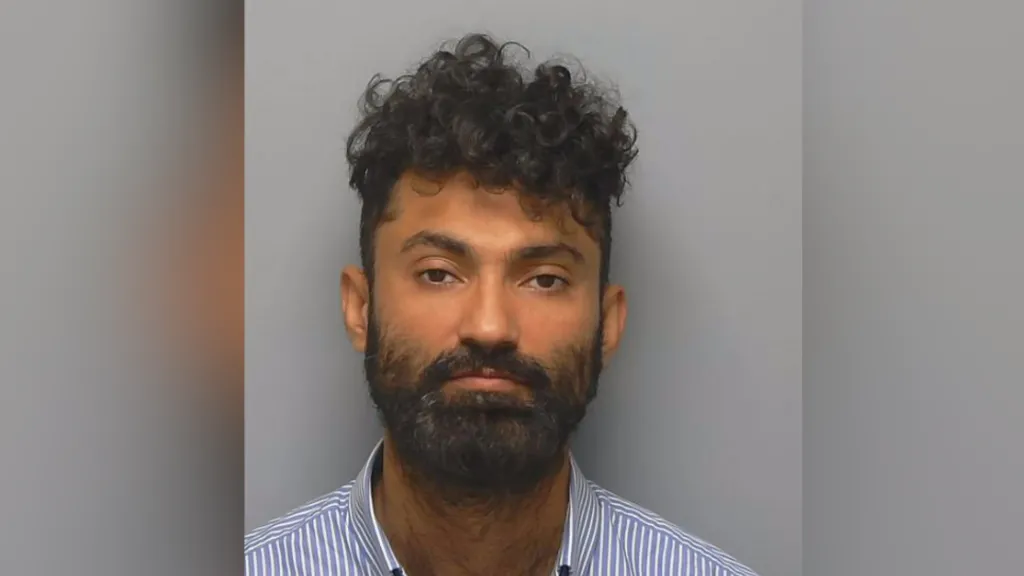
There is “no evidence” that a council properly reviewed a criminal background check before issuing a taxi driver licence and later allowing the individual to serve in a ceremonial civic role, according to the authority’s leadership.
Diwan Khan held a taxi licence issued by Bracknell Forest Council between January 2021 and January 2024. He was later jailed for serious sexual offences against a minor, alongside earlier belief including drug-related offences dating back to 2013.
His mother, Naheed Ejaz, served as mayor of the council between May 2023 and May 2024 and selected Khan to act as her wife during civic duties and public events. She was later jailed for perverting the course of justice in connection with related proceedings.
Council leader Helen Purnell said she was “disappointed and saddened” that Khan’s DBS (Disclosure and Barring Service) information was not properly assessed at the time his taxi licence was granted. She added that, had the checks been correctly reviewed, it was likely he would not have been licensed.
She also confirmed there was no formal requirement at the time for councillors or consorts to undergo DBS checks, though such requirements were later introduced in October 2024 to strengthen safeguarding procedures.
The council has since signed a safety charter aimed at improving protections for women and girls in public spaces and strengthening organisational responses to violence and abuse.
In court proceedings, Khan was sentenced to 12 years in prison for his offences. Prosecutors also alleged that following police attendance at the family home, there were attempts to interfere with evidence, though the court noted differing levels of awareness between those involved regarding the contents of a seized device.
Authorities say the case has prompted a review of safeguarding and vetting processes intended to prevent similar failures in oversight in future.