No Coffee Break for Starbucks- Police Storm Korea HQ After Tank Day Trouble Brews
The report focuses on the police raid of Starbucks Korea’s headquarters following the “Tank Day” controversy, highlighting the potential reputational and legal challenges faced by the company. A…
Politics
World Edition
By CMS Admin
🕵 AI Narrative Audit
The headline may emphasize the dramatic element of a police raid and corporate controversy while potentially overlooking the broader context, including the investigation details, company response, and reasons behind the action.
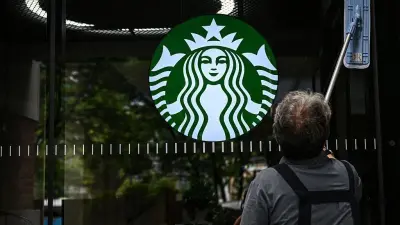
South Korean police have raided the national headquarters of Starbucks Korea following allegations of defamation linked to a controversial marketing campaign that triggered public anger and a nationwide backlash.
The investigation centres around a coffee tumbler promotion called Tank Day, which Starbucks Korea launched in May. The campaign coincided with the anniversary of the 1980 Gwangju Uprising, a historic pro-democracy movement in South Korea during which hundreds of people were believed to have been killed by military forces.
Marketing Campaign Sparks Public Outcry,
The promotional campaign quickly became controversial after many people interpreted the word tank as a reference to the military vehicles used during the crackdown on pro-democracy protesters in Gwangju.
The backlash intensified as civic groups accused the company of disrespecting victims and filed a criminal complaint, calling for an investigation into whether the campaign amounted to defamation against those affected by the military dictatorship era.
Facing growing criticism, Starbucks Korea withdrew the promotion and apologised, saying the connection to the historical tragedy was unintentional.
Starbucks Korea Responds to Backlash,
Shinsegae Group, the company that operates Starbucks in South Korea, launched an internal review of the campaign. The company said the marketing team behind the promotion had not recognised the historical connection, while senior management also failed to identify the potential controversy before approval.
As part of its response, Starbucks Korea temporarily closed stores across the country for half a day in June to allow employees to participate in history education sessions.
The company also issued an apology over what it described as inappropriate marketing and acknowledged that the controversy had caused a significant decline in sales in one of Starbucks’ major international markets.
Following the backlash, Starbucks Korea’s chief executive was removed from the position.
Historical Sensitivity and Political Debate,
The controversy gained further attention because of the sensitive nature of the Gwangju Uprising, which remains one of the most significant events in modern South Korean history. The crackdown under military ruler Chun Doo-hwan is remembered by many South Koreans as a national tragedy.
The campaign faced additional criticism because promotional material included the phrase tak on the table. Critics argued that the word tank carried historical associations with a controversial police explanation connected to the death of a student activist in 1987.
South Korean President Lee Jae-myung criticised the campaign, saying it offended victims and those who suffered during the democratic struggle.
Political Fallout Over Starbucks Controversy,
The controversy also entered political discussions during the local election period, with both major political camps using the issue to support their arguments.
The government under Lee Jae-myung announced a boycott of Starbucks, while an opposition leader criticised the move as excessive government intervention and displayed a Starbucks cup during a speech as a symbol of opposition.
Since then, Starbucks cups have taken on a wider political meaning, with some right-wing commentators using them as symbols of resistance to the Lee administration. The cups have also appeared at right-wing rallies and online political broadcasts.
Brand Reputation at the Centre of Debate
The Starbucks Korea controversy highlights the challenges global brands face when marketing in countries with complex historical memories. A campaign intended as a commercial promotion became a national debate involving corporate responsibility, historical awareness, political tensions, and public trust.
As police continue their investigation, Starbucks Korea faces the task of rebuilding its reputation while addressing concerns over cultural sensitivity and responsible marketing.
Source: Editorial
View Original Source →