
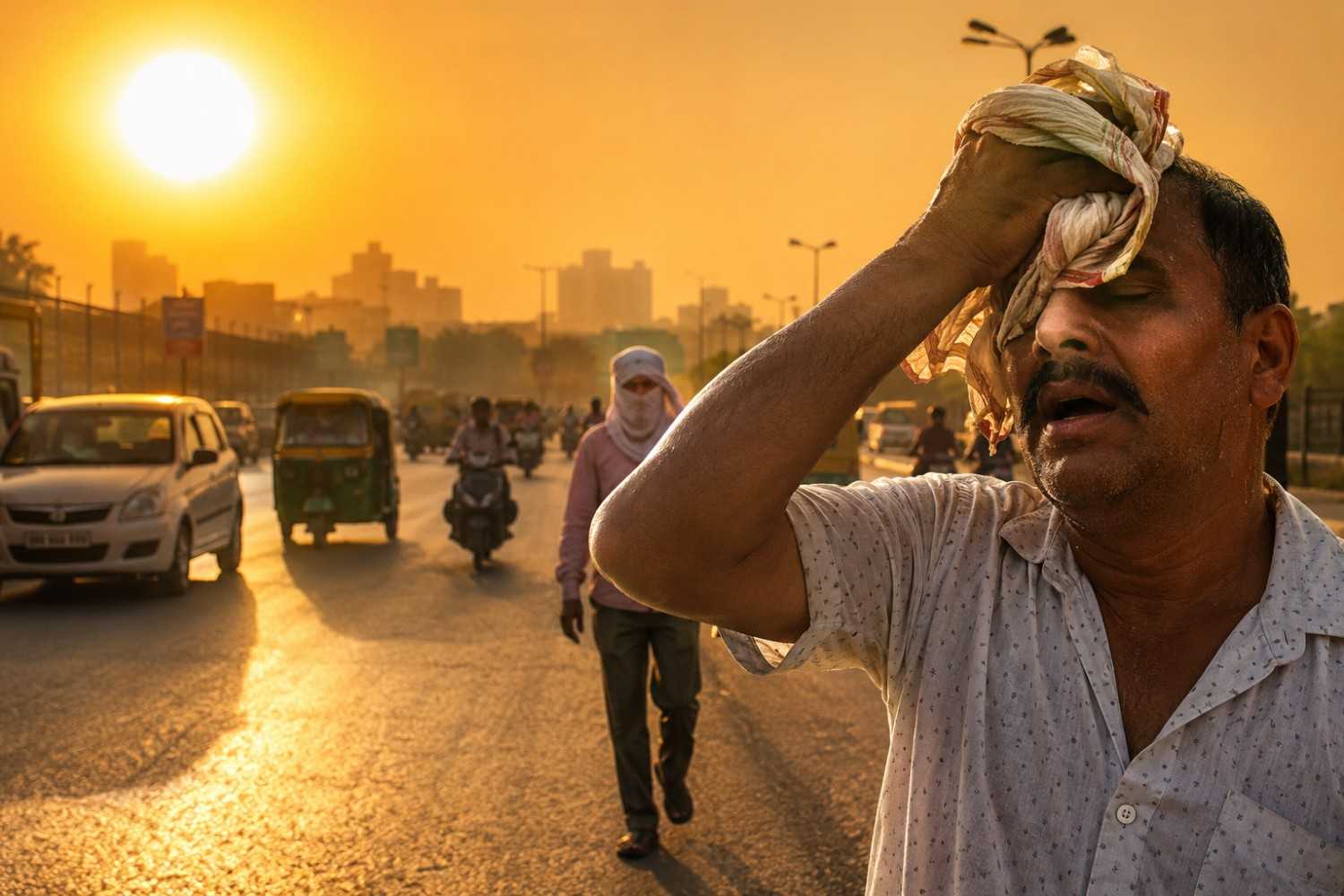
Heatwaves in India are no longer just about soaring temperatures, dehydration, or heatstroke. Scientists are now warning of another invisible danger that comes with extreme heat—ground-level ozone pollution. According to a new study by Indian researchers, prolonged heatwaves are significantly increasing the concentration of surface ozone, exposing millions to harmful air and raising the risk of premature deaths.
The study estimates that more than 830 deaths across India in 2024 can be linked to elevated ground-level ozone levels caused by extreme heat. The findings add a new dimension to the country's growing climate crisis, showing that heatwaves are not only dangerous because of high temperatures but also because they worsen air pollution.
A Landmark Study by Indian Researchers
The research, titled "Heatwaves Trigger Severe Surface Ozone Pollution in India: Regional Hotspots, Trends and Health Effects," has been published in Clean Air, a peer-reviewed journal that is part of the Nature portfolio.
Researchers describe it as the first comprehensive attempt to quantify the health burden caused specifically by heatwave-induced ozone pollution in India. While previous studies have examined the impacts of extreme heat and air pollution separately, this research connects the two, revealing how rising temperatures accelerate ozone formation and increase mortality risks.
The findings are especially significant as India continues to experience longer and more intense heatwaves, with several states recording temperatures above 45 degrees Celsius during recent summers.
Understanding Ground-Level Ozone
Most people are familiar with the ozone layer in the upper atmosphere, which protects the Earth from harmful ultraviolet radiation. Ground-level ozone, however, is entirely different and is considered a harmful pollutant.
Unlike pollutants directly released into the air, ozone is formed through chemical reactions between nitrogen oxides (NOx) and volatile organic compounds (VOCs) in the presence of strong sunlight and high temperatures. Vehicle exhaust, industrial emissions, thermal power plants and burning of fossil fuels are among the major sources of these precursor pollutants.
During heatwaves, these chemical reactions become much faster, leading to a sharp increase in ozone concentrations near the Earth's surface.
Why Heatwaves Make Air Pollution Worse
Extreme heat creates ideal conditions for ozone formation. High temperatures, intense sunlight and stagnant weather patterns allow pollutants to remain trapped in the lower atmosphere, accelerating chemical reactions that produce ozone.
Unlike winter pollution, which is often dominated by particulate matter such as PM2.5, ozone pollution is generally at its worst during the hottest months of the year.
This means that even on days when the sky appears relatively clear, the air may contain dangerously high levels of ozone capable of affecting human health.
More Than 830 Deaths in a Single Year
The researchers estimate that heatwave-driven ozone pollution contributed to over 830 premature deaths in India during 2024.
Importantly, these deaths are separate from fatalities directly caused by extreme heat. Instead, they represent additional mortality resulting from increased ozone concentrations generated during heatwave conditions.
Scientists believe the actual health burden may be even higher because many cases linked to air pollution often go undiagnosed or are attributed to other respiratory or cardiovascular illnesses.
Regional Hotspots Across India
The study identifies several regions where the combination of extreme temperatures and high emissions creates particularly hazardous conditions.
Large metropolitan cities and industrial belts are especially vulnerable because they already emit significant quantities of nitrogen oxides and volatile organic compounds. When heatwaves strike these regions, ozone production increases rapidly, exposing millions of residents to unhealthy air.
Northern, western and central India emerged as some of the most affected regions, although ozone pollution is becoming an increasing concern across many parts of the country.
Serious Health Impacts
Ground-level ozone is a powerful respiratory irritant. Even short-term exposure can trigger breathing difficulties, coughing and throat irritation.
Long-term or repeated exposure has been associated with:
Asthma attacks and worsening respiratory illnesses Reduced lung function Chronic obstructive pulmonary disease (COPD) Increased risk of heart disease Higher hospital admissions Premature mortality
Children, elderly people, outdoor workers and individuals with pre-existing respiratory conditions are particularly vulnerable during periods of elevated ozone pollution.
Climate Change Is Intensifying the Problem
Scientists warn that climate change is making this issue increasingly severe.
India has witnessed a steady increase in the frequency, duration and intensity of heatwaves over the past decade. As global temperatures continue to rise, conditions favourable for ozone formation are expected to become more common.
This creates what experts describe as a "double health burden"—people are simultaneously exposed to extreme heat and worsening air quality.
The combination significantly increases the strain on healthcare systems, especially during peak summer months.
Need for Better Monitoring and Policy Action
Researchers say India must strengthen monitoring of ground-level ozone, which often receives less attention than particulate pollution despite posing serious health risks.
Experts recommend:
Expanding ozone monitoring stations across cities and rural regions. Integrating ozone forecasts into heatwave warning systems. Reducing industrial and vehicular emissions. Promoting cleaner transport and renewable energy. Strengthening urban green cover to help moderate temperatures. Improving public awareness about ozone pollution during summer.
Such measures could help reduce both air pollution and the health impacts associated with extreme heat.
What Can Citizens Do?
Although long-term solutions require policy interventions, individuals can take steps to reduce their exposure during heatwaves:
Avoid strenuous outdoor activities during the afternoon when ozone levels are usually highest. Stay hydrated and seek shade during peak heat hours. Follow local weather and air quality advisories. Use public transport or shared mobility whenever possible to reduce emissions. People with asthma or other respiratory illnesses should keep prescribed medicines readily available and consult doctors if symptoms worsen. A Wake-Up Call for India
The study highlights that climate change is affecting public health in more ways than previously understood. Heatwaves are no longer just episodes of extreme temperatures—they are also triggering complex environmental changes that make the air more harmful to breathe.
As India continues to urbanise and experiences increasingly severe summers, tackling ozone pollution must become an integral part of both climate adaptation and air quality management strategies.
The message from researchers is clear: protecting people from heatwaves will require more than cooling centres and drinking water. It will also demand cleaner air, stronger environmental policies and sustained efforts to reduce emissions that contribute to ground-level ozone formation.
The hidden health burden of heatwave-induced ozone pollution may be invisible, but its consequences are becoming impossible to ignore