
Andy Burnham Says He’s Ready to Call Out Trump—Provided the Polls Don’t Call Him Out First
Burnham’s comments present him as willing to challenge Donald Trump when doing so is judged to be in Britain’s national interest, highlighting a pragmatic approach to international relations.…
Politics
World Edition
By CMS Admin
🕵 AI Narrative Audit
The headline frames Andy Burnham as politically cautious by suggesting his willingness to criticise Donald Trump depends on what is deemed beneficial for Britain, while using satire to question the sincerity of that stance.
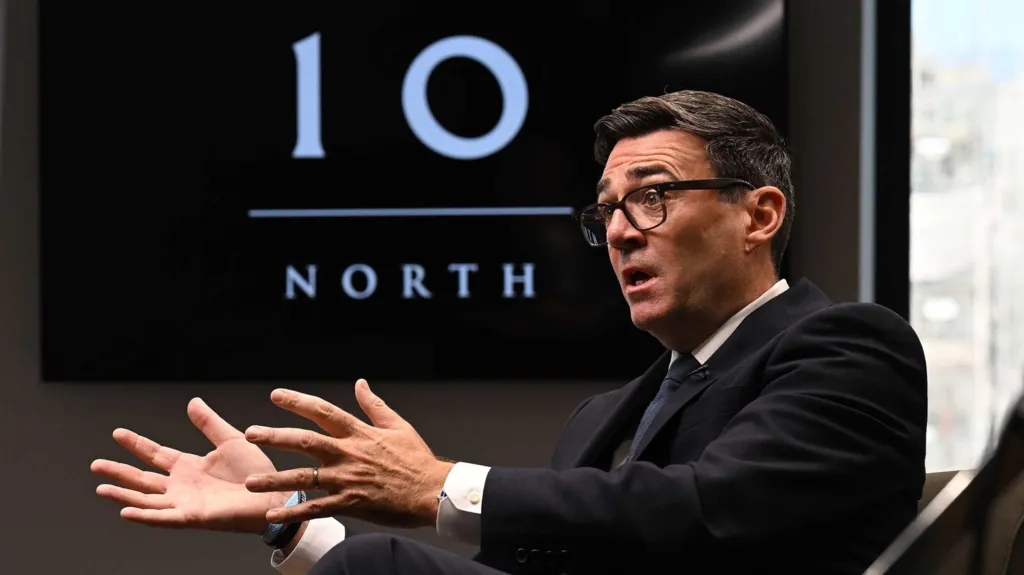
Prime Minister Andy Burnham has said he would be prepared to publicly disagree with US President Donald Trump if doing so was necessary to protect Britain's national interest, in his first major interview since taking office.
Speaking exclusively to the BBC, Burnham described his first interaction with Trump as positive, saying the US president had been "really warm". However, when asked whether he trusted Trump, Burnham avoided giving a direct answer, instead stressing that the international situation is constantly changing and that governments must respond as circumstances develop.
Burnham said he could not promise that he would always agree with the US president and that there could be occasions when he would need to express a different view.
"If it is the right thing to do," Burnham said when asked whether he would call out Trump, adding that defending Britain's national interest must come before everything else.
The prime minister also expressed concern about Trump's decision to begin the conflict with Iran, indicating that he would not hesitate to voice his views when he believed it was necessary.
The comments highlight the balancing act facing the British government as it seeks to maintain a close relationship with Washington while also defending its own foreign-policy priorities. Burnham's remarks suggest that cooperation with the US will remain important, but that Britain's interests will ultimately determine the government's position.
Defence Spending Remains a Challenge
The interview also focused on Britain's defence budget, with Burnham declining to commit to a specific date for increasing defence spending to 3% of GDP.
His Chancellor, John Healey, had previously resigned from the former government after arguing that a firm commitment to reach the target by 2030 was necessary for the country's security.
Burnham said he had appointed Healey while being aware of his strong views on defence spending. He said the immediate priority was ensuring that the government's defence investment plan was fully funded, with further decisions expected to be considered ahead of the budget later this year.
Pressed again on the 3% target, Burnham said the government still needed to work out how to achieve it.
No Early General Election
Burnham also ruled out the possibility of an early general election before 2029, saying he did not believe the public wanted another election in the near future.
Instead, he said his priority was to focus on governing and "getting the country back where it should be".
His comments come as the new government faces pressure on several fronts, including defence spending, international relations and domestic priorities. By ruling out an early election, Burnham has signalled that his government intends to concentrate on delivering its agenda rather than returning to the campaign trail.
The interview is expected to generate further discussion about Britain's relationship with the United States, the country's future defence commitments and the government's plans for the years ahead. While Burnham has emphasised the importance of maintaining close ties with Washington, his willingness to publicly disagree with Trump suggests that the relationship will not necessarily mean automatic agreement on every major international issue.
Source: Editorial
View Original Source →