
Sun Takes a Break, Moon Steals the Spotlight Across Europe
The eclipse caused a temporary reduction in daylight across parts of Europe as the Moon passed between Earth and the Sun. The dramatic darkening was a natural astronomical event, with its visibility…
Entertainment
World Edition
By CMS Admin
🕵 AI Narrative Audit
The headline uses dramatic language such as stunning and turns daylight into darkness to heighten the spectacle of the eclipse while framing the event primarily as a visually striking phenomenon.
Millions of people across Europe paused on Wednesday as the Moon moved in front of the Sun, creating one of the most notable eclipses visible from the continent in decade.
In much of the UK, the Moon covered more than 90% of the Sun, making the event the most significant eclipse visible there since 1999. Meanwhile, parts of Greenland, Iceland and Spain experienced a total solar eclipse, where the Moon completely blocked the visible disk of the Sun.
A Sudden Change in the Sky
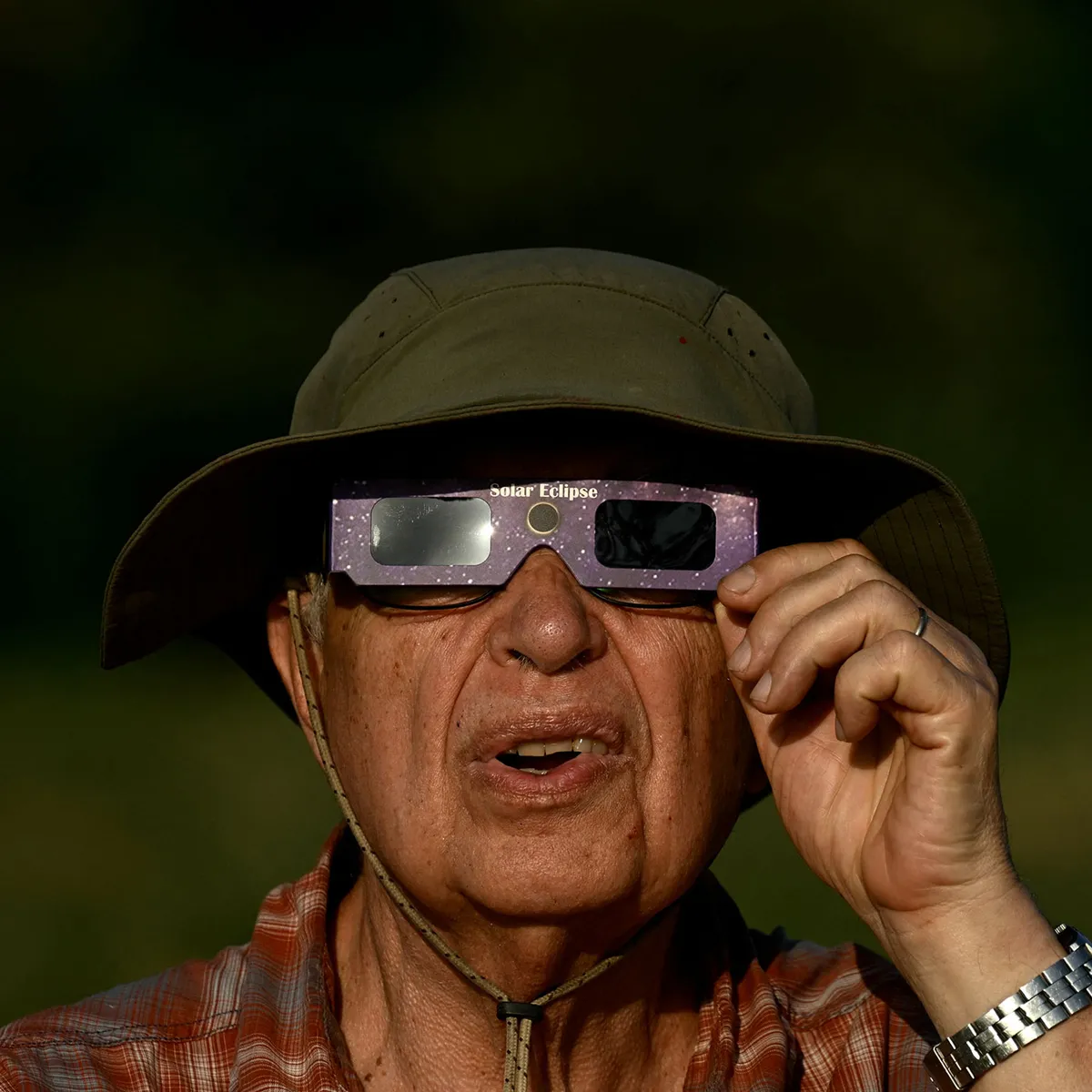
As the eclipse progressed, daylight gradually faded in areas experiencing a deep partial eclipse. Crowds gathered in parks, public spaces and other viewing locations, turning their attention toward the sky as the Moon continued its passage across the Sun.
The atmosphere changed noticeably as the sunlight weakened. Some spectators celebrated when the final visible portion of the Sun disappeared, while others watched quietly as the unusual darkness settled over the landscape.
Less Than Two Minutes of Totality
For people located within the path of totality, the most dramatic phase lasted less than two minutes. During this brief period, the Moon completely covered the Sun, before gradually moving away and allowing daylight to return.
Although short lived, totality is the defining moment of a total solar eclipse and can produce a striking change in the appearance of the surrounding environment.
A Rare Astronomical Spectacle
Solar eclipses occur when the Moon passes between Earth and the Sun and temporarily block some or all of the Sun light from reaching particular parts of Earth. Because the Moon's shadow follows a narrow path across the planet, total eclipses are visible only from specific locations.
For millions of observers across Europe, Wednesday's eclipse provided a rare opportunity to witness this alignment of the Sun, Moon and Earth.
The event may have lasted only a few fleeting moments, but for those who gathered to watch, the sudden transformation from daylight toward darkness created a memorable astronomical spectacle.
Source: Editorial
View Original Source →