
“Baby Trafficking Ring Busted: Nineteen Found Guilty of Turning Parenthood Into a Criminal Business”
Nineteen individuals have been found guilty in a baby-trafficking case involving Indonesia and Singapore, highlighting the serious cross-border nature of the alleged crimes. The case raises concerns…
Politics
World Edition
By CMS Admin
🕵 AI Narrative Audit
The headline uses a critical and sensational tone by framing the accused as running a “criminal business,” which emphasizes condemnation while potentially oversimplifying the complex legal and social dimensions of the case.
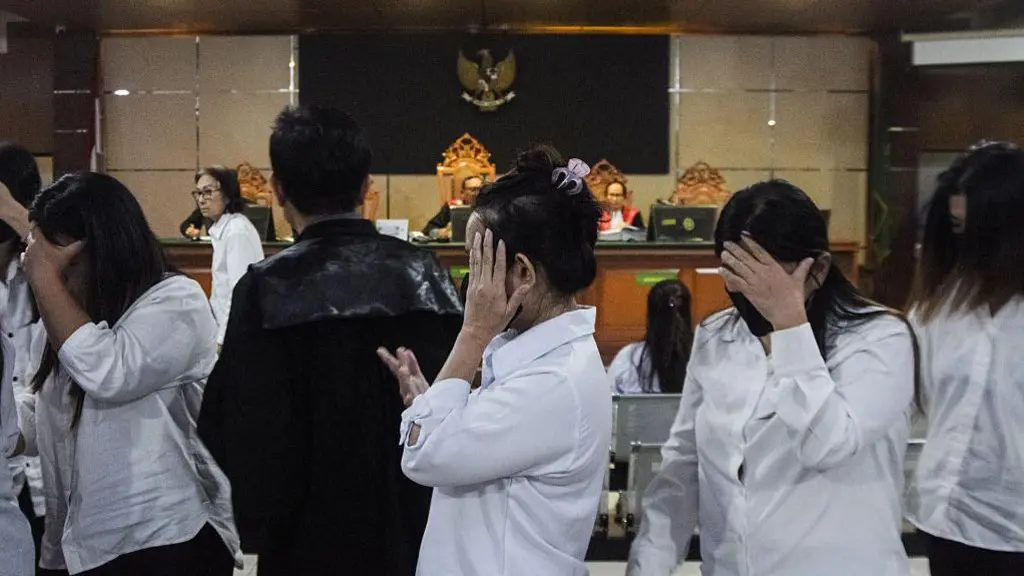
A baby-trafficking case that has resulted in the conviction of 19 people in Indonesia has also raised concerns in Singapore, where at least a dozen of the allegedly trafficked babies are believed to have been taken.
The case has drawn renewed attention to the safeguards surrounding international and overseas adoptions, particularly the procedures used to verify the identities and backgrounds of children placed with prospective adoptive families.
Since allegations involving Lie and her associates first emerged last year, lawmakers in Singapore from both the ruling party and the opposition have raised questions about whether existing adoption regulations are sufficient to prevent children from being illegally trafficked across borders.
Some lawmakers have questioned the effectiveness of safeguards governing overseas adoptions, while others have called for stronger support and clearer guidance for prospective adoptive parents so they can conduct appropriate due diligence before completing an adoption.
Singapore's Ministry of Social and Family Development has maintained that adoption agencies are responsible for carrying out rigorous checks as part of the adoption process. The ministry has also stressed that prospective adoptive parents have a responsibility to conduct their own due diligence.
The developments have put the spotlight on the need for stronger coordination between authorities in countries involved in cross-border adoption cases. Ensuring that every child's identity, background and legal status are properly verified remains a key concern in preventing trafficking and protecting vulnerable children.
In February, Singaporean authorities announced plans to review the country's child adoption processes as more facts surrounding the alleged baby-trafficking network emerged.
The review is expected to examine existing safeguards and procedures and assess whether further measures are needed to strengthen oversight of overseas adoptions. The case has underscored the importance of robust checks, transparency and international cooperation to ensure that adoption systems are not exploited by criminal networks.
Source: Editorial
View Original Source →