
India-Bangladesh Tensions Simmer, But Diplomacy Still Gets a Meeting Slot
The framing highlights the meeting as a sign of continued diplomatic engagement despite tensions in India-Bangladesh relations. It provides limited context on the sources of the tensions or any…
Politics
Indian Edition
By CMS Admin
🕵 AI Narrative Audit
The framing emphasizes diplomatic engagement despite strained India-Bangladesh relations, but may understate the specific causes and political significance of the tensions.
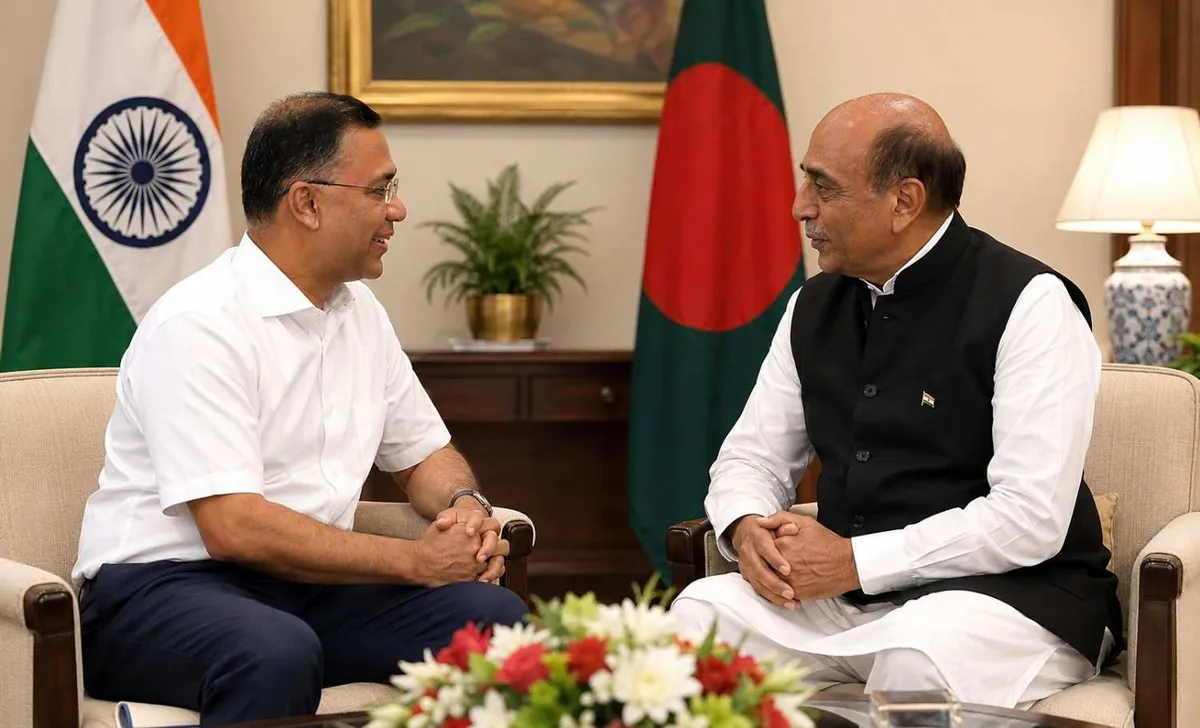
Indian High Commissioner to Bangladesh Dinesh Trivedi called on Bangladesh Prime Minister Tarique Rahman on Monday, August 10, 2026, as diplomatic ties between New Delhi and Dhaka remain under strain.
The meeting comes against the backdrop of renewed political friction following former Bangladesh Prime Minister Sheikh Hasina virtual press conference on August 5, during which she criticised the government led by Mr. Rahman.
A meeting amid strained ties
The interaction between Trivedi and Rahman assumes significance because it took place at a sensitive moment in India-Bangladesh relations. Despite the tensions, the meeting was described by diplomatic sources in New Delhi as cordial and was viewed as a potentially positive development.
Rather than allowing political disagreement to completely overshadow official engagement, the meeting indicates that diplomatic channels between the two neighbours remain active.
India delegation meets Bangladesh leadership
According to diplomatic sources, the Bangladeshi side included Foreign Minister Khalilur Rahman and Foreign Affairs Adviser to the Prime Minister Humayun Kobir.
High Commissioner Trivedi was accompanied by India's Deputy Chief of Mission Pawan Badhe.
The presence of senior officials from both sides gave the meeting additional diplomatic weight, particularly at a time when several issues are contributing to uncertainty in bilateral relations.
Security engagement adds another layer
The meeting also coincided with Dhaka hosting a high level security related delegation from India. The parallel engagement suggests that security cooperation remains an important component of the relationship even as political tensions continue.
For New Delhi, maintaining communication with Bangladesh is strategically significant given the two countries' close geographical, economic and security links.
A cautious diplomatic signal
The cordial nature of the meeting does not necessarily mean that all difference between India and Bangladesh have been resolved. Instead, it can be viewed as a sign that both sides continue to recognise the importance of maintaining formal diplomatic communication.
For India, keeping channels open could help prevent political disagreements from spilling over into broader cooperation. For Bangladesh, continued engagement with its large neighbour remains important across areas ranging from trade and connectivity to border management and security.
What comes next?
The immediate focus will be on whether the diplomatic engagement produces substantive progress on the issues affecting bilateral ties.
The meeting between Trivedi and Rahman therefore carries a carefully measured message: relations may be under pressure, but diplomacy has not gone offline. The coming weeks could show whether this latest interaction becomes a stepping stone toward easing tensions or remains simply a routine exercise in keeping dialogue alive.
Source: Editorial
View Original Source →