
Ceuta Sees a Massive Migrant Arrival from Morocco—Spain’s Border Gets a Very Busy Morning
The headline reports a large number of migrants entering Spain’s Ceuta from Morocco while framing the development in a light, humorous tone. Its use of exaggerated language may sensationalise the…
Politics
World Edition
By CMS Admin
🕵 AI Narrative Audit
The headline uses mildly sensational language such as massive and busy morning, which adds a humorous tone while potentially downplaying the complexity of the migrant crossings.
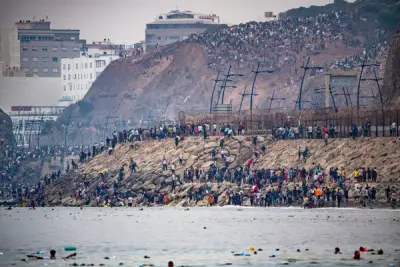
About 60,000 migrants entered Spain’s North African enclave of Ceuta from Morocco on Thursday (July 30), with many making the crossing by swimming or using inflatable vessels, according to officials.
Others reportedly reached the enclave by running through an opening in the border fence. The sudden influx placed significant pressure on local authorities and security personnel as they worked to manage the arrivals and secure the border.
Officials said that almost all of those who entered Ceuta had subsequently returned to Morocco. Spain’s Interior Minister Fernando Grande-Marlaska said on Saturday that the death toll linked to the crossings had risen to at least 67.
The humanitarian toll has added urgency to the situation, with the deaths highlighting the dangers faced by people attempting to cross the border by sea or through other hazardous routes.
On Saturday, police were seen installing a 500-metre (1,640-foot) floating barrier in the area. Security personnel also escorted groups of migrants back towards the border as authorities sought to restore control following the large-scale crossings.
Ceuta, located on Morocco’s northern coast, is one of Spain’s two North African enclaves and has long been a focal point for migrants seeking to reach European territory. Its location makes it a significant crossing point for people attempting to enter the European Union from North Africa.
The latest incident has once again brought attention to the challenges facing Spain and the European Union in managing migration along their external borders. At the same time, the reported loss of life has underscored the humanitarian risks involved in irregular migration routes.
Authorities are continuing to manage the situation at the border while assessing the circumstances surrounding the crossings and the deaths. The incident is likely to renew discussions over border security, migration policy and the need for safer alternatives for people attempting to reach Europe.
Source: Editorial
View Original Source →