Plans to introduce a directly elected mayor for the Thames Valley could be revived after Oxfordshire County Council leader Tim Bearder appealed to former Greater Manchester mayor Andy Burnham to support the proposal.
The region had been expected to move towards greater devolution by establishing a Foundation Strategic Authority (FSA), a governance model designed to give local leaders more control over key policy areas. However, the plans were put on hold after disagreements emerged over the authority's structure, geographical boundaries and the level of powers it would receive.
Why the Plans Were Delayed
Political leaders from across the Thames Valley had been due to approve the creation of a Foundation Strategic Authority last month. The proposal was viewed by the UK government as the first step towards establishing a more powerful Mayoral Strategic Authority (MSA) with a directly elected regional mayor.
However, Oxfordshire County Council leader Tim Bearder withdrew his support before an agreement could be reached. He cited concerns about the inclusion of Swindon in the proposed authority and argued that the Foundation Strategic Authority would not have sufficient powers or funding to deliver meaningful change for residents.
The decision effectively paused the devolution process and sparked criticism from other local authorities that had supported the original proposal.
Appeal to Andy Burnham
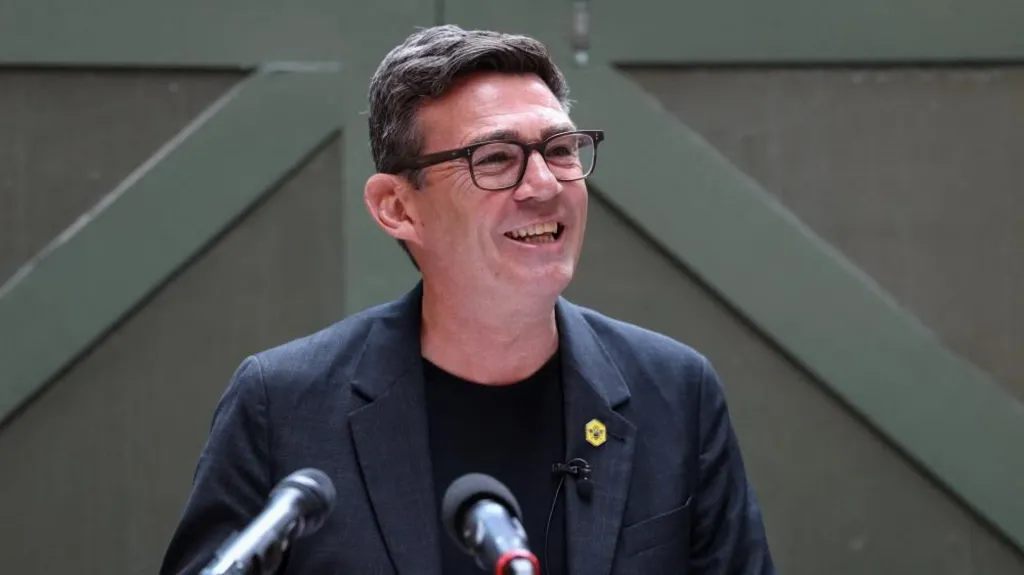
In an effort to revive the discussion, Bearder has written to Andy Burnham, asking him to back the creation of a fully empowered mayoral authority for the Thames Valley.
Burnham, the newly elected MP for Makerfield, is currently the only declared candidate to become the next Labour leader and could ultimately become the UK's next prime minister.
In his letter, Bearder stressed that rejecting the Foundation Strategic Authority should not be interpreted as opposition to devolution.
Instead, he argued that the existing proposal lacked the powers, funding and coherent geographical structure required to make a lasting difference for the region.
Appealing directly for Burnham's support, Bearder praised his long-standing commitment to devolving powers from Whitehall to local communities. He said Burnham's experience demonstrates how stronger regional leadership can improve economic development, transport and public services.
Bearder described a mayoral authority as "a necessity for our area" and expressed confidence that meaningful constitutional reform could now be achieved for Oxfordshire and the wider Thames Valley.
Political Disagreement
The decision to abandon the Foundation Strategic Authority attracted criticism from political leaders elsewhere in the region.
Reading Borough Council leader Liz Terry accused Bearder of "playing politics" by withdrawing support for a deal that she argued would have delivered significant benefits for residents, businesses and local government across the Thames Valley.
Supporters of the original proposal believe that accepting Foundation Strategic Authority status would have provided a practical route towards eventually securing a stronger mayoral authority.
A Major Economic Region
In his appeal, Bearder highlighted the Thames Valley's importance to the UK economy.
He described the area as one of Europe's leading centres for science, technology, innovation and advanced manufacturing but argued that it continues to lack the strategic powers already available to many other regions with directly elected mayors.
A future Thames Valley Strategic Authority would cover Berkshire, Oxfordshire and Swindon, representing around two million residents and an economy worth an estimated £97 billion in goods and services each year.
Supporters argue that a mayoral authority could strengthen investment, improve transport planning, accelerate housing delivery and give local leaders greater influence over regional economic policy.
What Happens Next?
No final decision has been made on the future of devolution in the Thames Valley.
While the Foundation Strategic Authority proposal remains on hold, Bearder's appeal to Andy Burnham signals renewed efforts to secure a governance model with greater powers and stronger democratic accountability. Whether local authorities can agree on a common approach is likely to determine the next stage of devolution for one of England's most economically significant regions