
Nagaland CM Appeals to Shah Over FCRA Amendment, Seeks Panel Review Before the Pen Hits Paper.
The report highlights Nagaland Chief Minister concerns over the proposed FCRA amendments and his request for parliamentary scrutiny, presenting the issue primarily through the lens of state level…
Politics
Indian Edition
By CMS Admin
🕵 AI Narrative Audit
The headline emphasizes Nagaland opposition to the FCRA amendments and Shah role while giving less attention to the government’s stated rationale for proposing the changes.
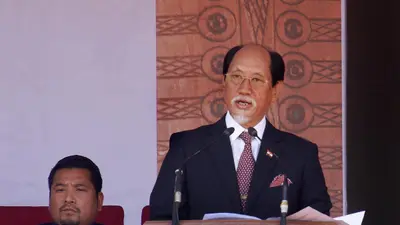
Nagaland Chief Minister Neiphiu Rio has urged Union Home Minister Amit Shah to reconsider the proposed amendments to the Foreign Contribution (Regulation) Act (FCRA), expressing concern that the changes could place an additional burden on churches and Christian charitable organisation operating in the State.
In a letter to Shah, Rio said the proposed changes could have consequences for organisations involved in education, healthcare and social welfare programmes. He argued that these institutions provide services that are important to communities across Nagaland and that any changes to the regulatory framework should take their functioning into account.
Rio has proposed that the FCRA amendments be referred to a parliamentary committee for a comprehensive examination. He also called for representatives of the stakeholders concerned to be given an opportunity to present their views before the proposed changes are finalised.
Concerns Over Impact on Charitable Organisations
The Chief Minister intervention comes amid a wider debate over the regulation of foreign contribution received by non governmental organisations, religious institutions and charitable bodies.
The FCRA establishes the legal framework governing the acceptance and utilisation of foreign contributions in India. The government has maintained that regulations governing such funding are necessary to ensure transparency, accountability and compliance with the law.
However, organisations dependent on foreign contributions have at various times raised concerns that tighter regulatory requirements can make it more difficult for them to carry out charitable and social programme.
Rio letter focuses particularly on the possible impact on churches and Christian charitable organisations in Nagaland, many of which are involved in programmes beyond religious activities.
Education and Healthcare Among Areas of Concern
According to Rio, changes to the FCRA could affect programmes connected with education, healthcare and social welfare.
Nagaland has a significant network of institutions and organisations involved in these areas, making the issue particularly important for the State. The Chief Minister's concerns suggest that any additional compliance requirements could have consequences not only for the organisations themselves but also for the communities that depend on their services.
The request for a parliamentary committee review is therefore aimed at allowing a more detailed examination of the proposed provisions and their potential effect.
Call for Stakeholder Consultation
Rio has also sought the participation of stakeholders during the review process.
His proposal would allow organisations likely to be affected by the amendments to explain their concerns directly before a parliamentary panel. Such a process, he argued, would provide lawmakers with an opportunity to examine both the objectives of the proposed amendments and their practical implications.
The demand comes at a time when question around foreign funding, regulatory oversight and the functioning of charitable organisations remain politically and socially sensitive.
Balancing Regulation and Social Work
The debate over the FCRA involves competing consideration.
The government has emphasised the need to regulate foreign contribution and prevent their misuse, while civil society organisations have argued that legitimate organisations should be able to access overseas funding without excessive administrative hurdles.
For Nagaland, the discussion also has a strong local dimension because churches and charitable organisations are involved in several areas of public welfare.
Rio's appeal seeks to ensure that the proposed amendments are examined from these practical perspectives before they become law.
What Happens Next?
The Union government will now have to consider the Nagaland Chief Minister request for a parliamentary committee review.
If the amendments are referred to such a panel, lawmakers could examine their provisions in greater detail and hear submission from government representatives, civil society organisations and other affected stakeholders.
The controversy therefore goes beyond the technicalities of the FCRA. It raises broader questions about how India can maintain effective oversight of foreign contributions while ensuring that legitimate organisation involved in education, healthcare and social welfare can continue their work.
For Nagaland, the outcome will be closely watched by churches, charitable organisations and other groups that rely on foreign contributions for their programme.
Source: Editorial
View Original Source →