
Zelensky Swaps Ukraine’s Army Chief as Protest Pressure Turns Up the Heat
The report presents the dismissal of Ukraine’s top army commander against the backdrop of ongoing protests, highlighting a significant leadership change during a period of political and military…
Politics
World Edition
By CMS Admin
🕵 AI Narrative Audit
The headline highlights the timing between the protests and the army chief’s dismissal, which may imply a direct connection without providing evidence of whether the decision was actually driven by the demonstrations.
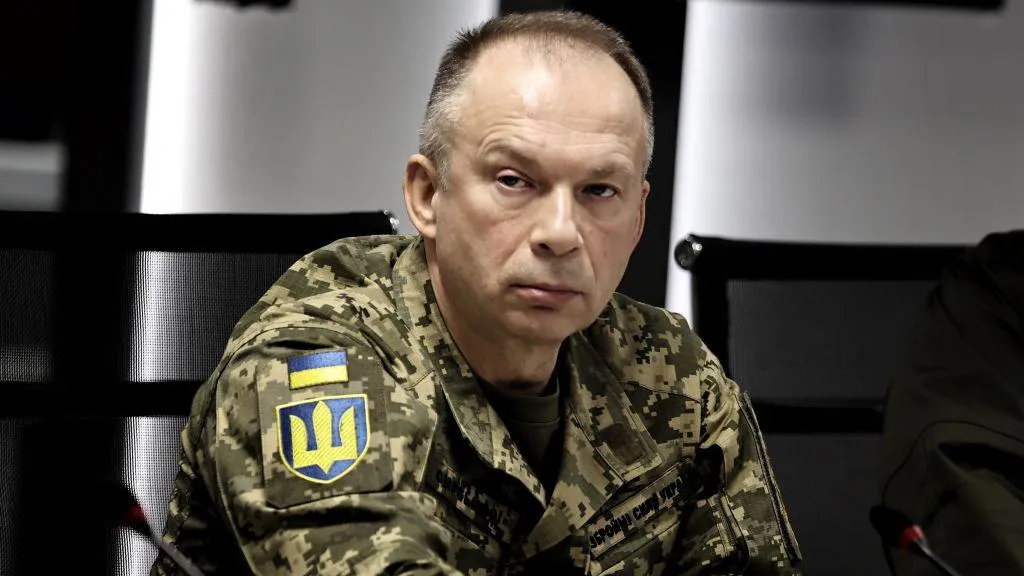
Ukrainian President Volodymyr Zelensky has dismissed Army Commander-in-Chief Oleksandr Syrskyi and appointed battle-hardened General Mykhailo Drapatyi as his successor, marking another major change in the country's military leadership.
The decision comes only days after the departure of Defence Minister Mykhailo Fedorov, whose removal had sparked public protests and fuelled speculation about growing tensions within Ukraine's defence establishment.
Major Changes at the Top
Syrskyi, 60, has been replaced by Drapatyi, 43, a popular general with extensive battlefield experience. The leadership change comes at a critical moment for Ukraine as the country continues to face the ongoing war with Russia.
Zelensky praised Syrskyi for his service, particularly his role in the defence of Kyiv during the opening phase of Russia's full-scale invasion in 2022. Syrskyi, in his farewell message, defended his record and highlighted the Ukrainian military's progress from a defensive position to conducting offensive operations.
He expressed hope that the momentum would continue under the new leadership.
Drapatyi Takes Charge
Drapatyi, in his first comments after being appointed, pledged to carry out his responsibilities with focus and respect for the soldiers defending Ukraine.
He also thanked Syrskyi for his contribution to strengthening the Ukrainian armed forces, describing the army as an institution in which he had grown professionally.
His appointment is being viewed by supporters as a possible signal of a new phase in Ukraine's military strategy, although the full implications of the change remain unclear.
Fedorov's Exit Adds to Political Uncertainty
The army leadership change follows the recent removal of Defence Minister Mykhailo Fedorov, 35, who had earned praise for his efforts to modernise the ministry, strengthen the armed forces and push anti-corruption measures.
Fedorov's departure had reportedly led to protests and intensified speculation about disagreements within Ukraine's defence leadership. Reports had suggested that tensions between Fedorov and Syrskyi may have contributed to the recent reshuffle.
Following Fedorov's removal, Yevhenii Khmara, a former senior official with Ukraine's Security Service, was named as his replacement.
Zelensky has also indicated that he met Fedorov and offered him what he described as a "worthy position in power", although it remains unclear whether Fedorov has accepted the offer.
A New Chapter for Ukraine's Military
Fedorov has welcomed Drapatyi's appointment, calling it a potential "new hope" in the struggle for freedom and justice. He also described the move as a voice of change that could no longer be ignored.
The rapid changes at the top of Ukraine's defence and military leadership are likely to attract close attention, both domestically and internationally. With the war continuing and pressure mounting on Ukraine's leadership to maintain military effectiveness, the appointment of Drapatyi could represent an attempt by Zelensky to bring a fresh approach to the country's military command.
For now, the focus will be on whether the new leadership can maintain battlefield momentum, strengthen coordination across the defence establishment and address the challenges facing Ukraine's armed forces.
The reshuffle marks a significant moment for Zelensky's government—and the coming months will reveal whether the changes translate into a meaningful shift in Ukraine's military strategy.
Source: Editorial
View Original Source →