
Nicobar Project Files Under Spotlight, Jairam Wants NGT to Drop the Curtain
The summary frames Jairam Ramesh demand as a transparency issue but does not establish whether the NGT has a legal obligation to publish the panel report or explain the counterarguments surrounding…
Politics
Indian Edition
By CMS Admin
🕵 AI Narrative Audit
The headline is somewhat critical in tone, as it emphasizes Jairam Ramesh’s demand for public disclosure while leaving out the NGT position and the broader context surrounding the Nicobar project approvals.
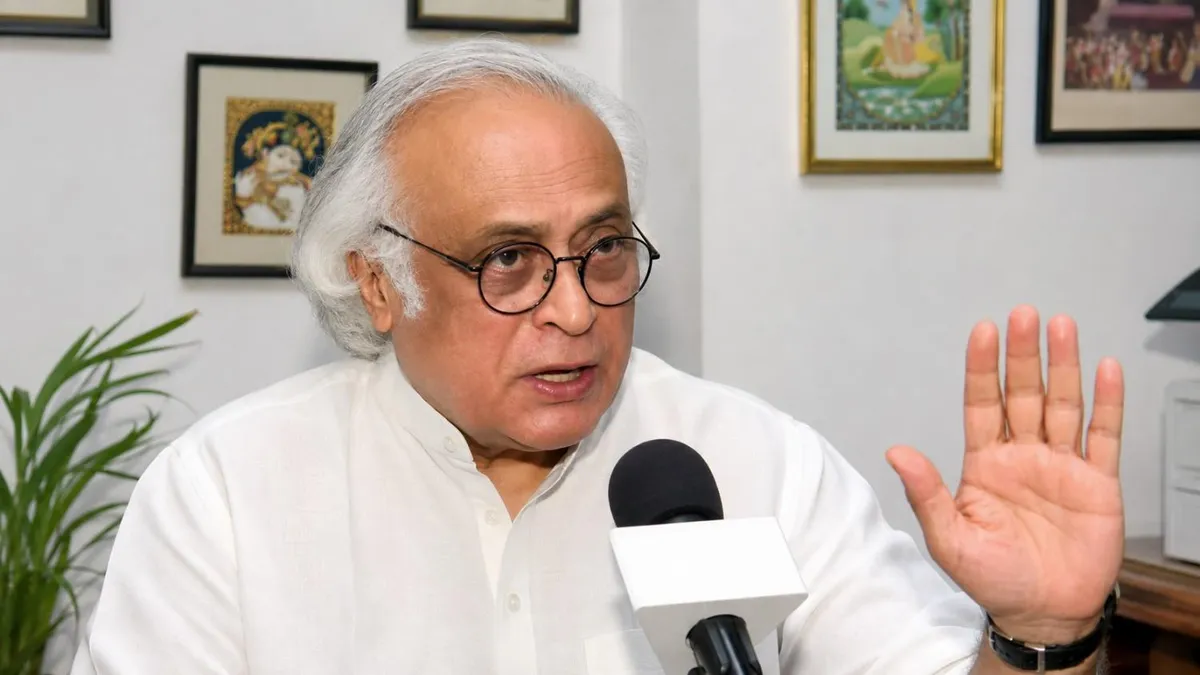
Congress leader Jairam Ramesh on Sunday (August 9, 2026) urged the National Green Tribunal (NGT) to make public the report of the High-Powered Committee that reviewed environmental approvals granted to the Great Nicobar Island Project.
Ramesh described the proposed project as ecologically disastrous and alleged that the NGT had been “forced to give the go-ahead” for the venture based on the committee's findings.
Demand for Transparency
Ramesh argued that the committee's report should be placed in the public domain so that its findings and reasoning can be independently examined.
He further claimed that making the document public would reveal what he considers to be serious short comings in the committees assessment.
The demand places transparency at the centre of the ongoing debate over the proposed development project and its potential environmental consequences.
Concerns Over the Great Nicobar Project
The Great Nicobar Island Project has attracted significant attention because of its proposed scale and the ecological sensitivity of the island.
Environmental concerns surrounding such large infrastructure plans can include impacts on forests, wildlife habitats, coastal ecosystems and local communities. Supporters of development, however, may argue that major infrastructure can improve connectivity and generate economic opportunities when appropriate environmental safeguards are followed.
The dispute therefore involves a broader question of how India should balance infrastructure development with environmental protection in ecologically sensitive regions.
What Ramesh Is Asking the NGT to Do
Ramesh's immediate demand is straightforward: he wants the High-Powered Committee's report to be made public.
His argument is that disclosure would allow the public, environmental groups and other stakeholders to examine the basis on which the project's environmental approvals were reviewed.
He has also challenged the credibility of the committee's conclusions, saying that the report would prove to be “deeply flawed” if released.
Those claims remain Ramesh's assessment; the report itself would provide the basis for readers to evaluate the committee's reasoning.
The Larger Environmental Debate
The controversy highlights the importance of transparency when major projects are proposed in environmentally sensitive areas.
For critics, public access to assessment reports is essential for scrutinising whether environmental risks have been adequately considered. For authorities and project proponents, the challenge is to demonstrate that development can proceed while complying with environmental regulations and mitigation requirements.
As the debate continues, the publication of the committee's report could become an important point of reference for understanding how the environmental approvals were assessed and why the project received regulatory clearance.
The latest intervention by Jairam Ramesh is therefore likely to keep the Great Nicobar project under public and political scrutiny, with transparency and environmental safeguards remaining at the heart of the controversy.
Source: Editorial
View Original Source →