
Three PSC Members Quit as Jharkhand Exam Storm Gets Louder.
The resignations are presented as occurring amid the paper-leak protests, but the specific reasons for each member’s departure and any official PSC explanation should be considered before assuming a…
Politics
Indian Edition
By CMS Admin
🕵 AI Narrative Audit
The headline highlights the resignations as a direct fallout of the paper leak protest, potentially implying a causal link without providing the members’ stated reasons or the PSC official position.
All three members of the Jharkhand Public Service Commission (JPSC) resigned on Sunday, August 9, 2026, as protests continued over alleged irregularities in recruitment examinations conducted by the state’s premier recruitment body.
The resignations came amid mounting pressure over complaints surrounding the examination process, with students and aspirants demanding greater accountability and action over the alleged irregularities.
Three members step down
According to a statement issued by the Lok Bhavan, Governor Santosh Kumar Gangwar accepted the resignations of Ajeeta Bhattacharya, Anima Hansda and Jamal Ahmad.
The simultaneous departure of all three members marks a significant development for the JPSC at a time when the commission is facing criticism over the conduct of recruitment tests.
The resignations are particularly significant because the commission plays a central role in selecting candidates for various government positions in Jharkhand.
Protests over recruitment examinations
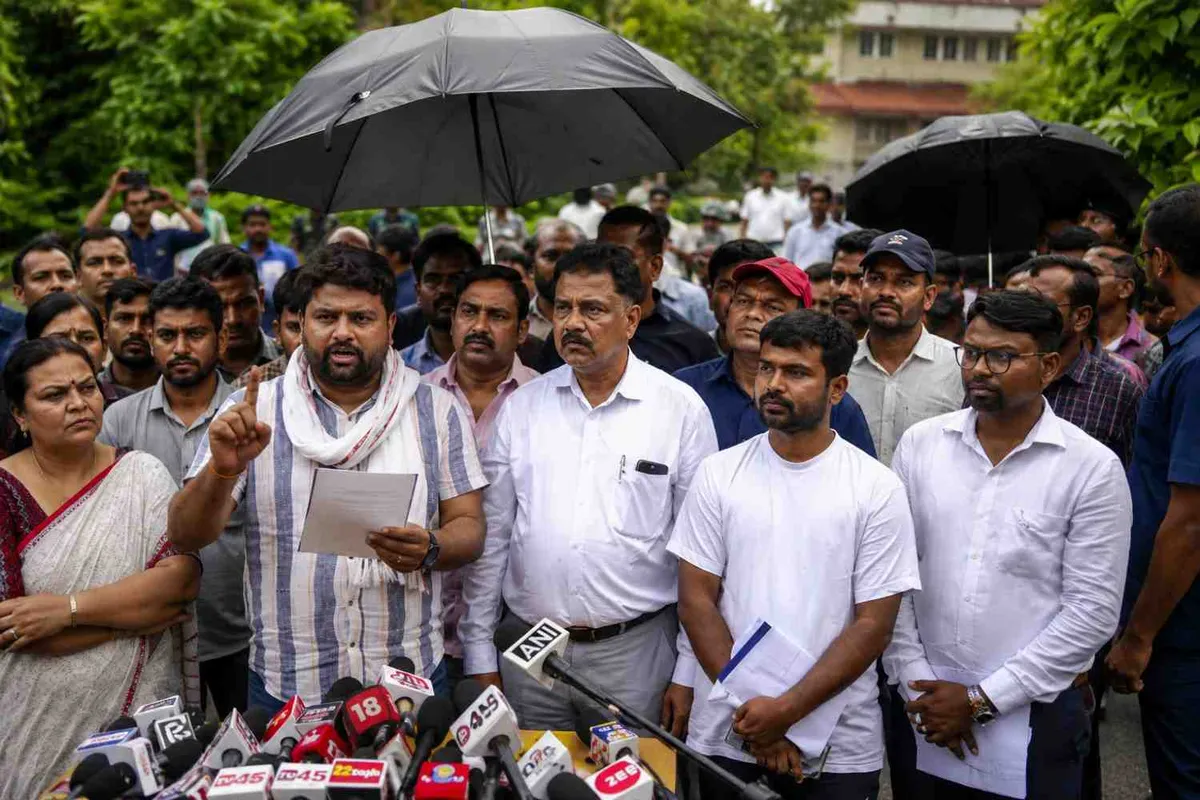
The development comes against the backdrop of massive protests by students and job aspirants over alleged irregularities in JPSC recruitment examinations.
Protesting candidates have raised questions about the examination process and demanded that their concerns be addressed. The issue has generated considerable political attention as well, with pressure mounting on authorities to ensure transparency in government recruitment.
However, allegations of examination irregularities should be distinguished from established findings. The precise circumstances behind the complaints and any responsibility of individuals or institutions will need to be determined through appropriate investigation and official proceedings.
What the resignations mean for JPSC
The resignation of all three members is likely to create an immediate leadership challenge for the commission.
JPSC is responsible for conducting competitive examination and recruitment processes for several important government posts in the state. Maintaining public confidence in these examinations is therefore crucial for both candidates and the wider administrative system.
The authorities will now face the task of ensuring continuity in the commission's functioning while addressing concerns raised by protesting aspirants.
Accountability remains the key issue
For students who have spent months or years preparing for competitive examinations, allegations of irregularities can have serious consequences. Recruitment examinations are expected to operate under clear and transparent procedure so that candidates can have confidence that selections are based on merit and fair competition.
The latest resignations are therefore likely to intensify demands for a detailed examination of the allegations.
At the same time, resignation alone does not establish that any individual member was responsible for the alleged irregularities. Determining accountability requires evidence and due process.
Political and administrative pressure
The JPSC controversy also comes at a time when recruitment examinations across India are receiving increased scrutiny over allegations involving question papers, examination procedure and selection processe.
For the Jharkhand government and the commission, the immediate challenge will be to restore confidence among candidates and ensure that future examinations are conducted transparently.
The authorities may also face demands for an independent review of the disputed examinations and for clear communication with students about the steps being taken.
What happens next?
With Governor Santosh Kumar Gangwar accepting the three resignations, attention will now shift towards the next steps for the commission.
The administration will need to ensure that the vacancies created by the resignations do not disrupt ongoing recruitment processes. More importantly, candidates will expect authorities to address the allegations that triggered the protests and provide clarity about the future of the affected examinations.
For now, the resignation represent a major development in the JPSC controversy. Whether they lead to wider administrative changes or further investigations will depend on the findings of the authorities and any subsequent legal or official proceeding.
Source: Editorial
View Original Source →