
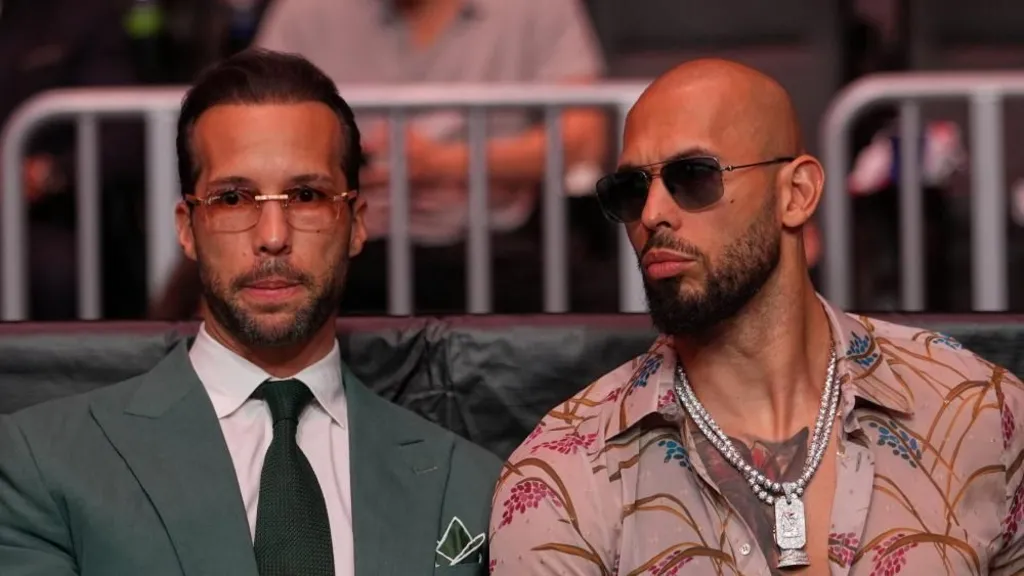
Andrew and Tristan Tate have lost a High Court challenge seeking to force UK prosecutors to reveal the identities of the women accusing them of serious criminal offences before formal criminal proceedings begin.
In a judgment handed down on Friday, the High Court ruled that the Crown Prosecution Service (CPS) acted lawfully by withholding the names of the complainants, concluding that prosecutors had legitimate legal grounds to protect their identities until the brothers are returned to the UK and court proceedings officially commence.
The ruling represents another significant legal setback for the brothers, who continue to face criminal investigations in Romania while awaiting eventual extradition to Britain.
Serious Criminal Charges Await in the UK
The Crown Prosecution Service confirmed in May 2025 that Andrew Tate, 39, and his brother Tristan Tate, 37, will face a total of 21 criminal charges once extradited to the United Kingdom.
The allegations include:
Rape Human trafficking Other serious offences
The alleged crimes are said to have taken place between 2012 and 2016.
Both brothers strongly deny all allegations and maintain they have committed no criminal wrongdoing.
They are currently based in Romania, where they remain subject to separate criminal investigations.
Why the Court Case Was Brought
Although prosecutors have already informed the brothers of the charges they face, the CPS has refused to disclose the identities of the women making the allegations.
The Tate brothers challenged that decision through a judicial review, arguing that withholding the names violated their human rights and placed them at a disadvantage when preparing their legal defence.
Their legal team argued they were being treated differently from other criminal suspects.
Barrister Sallie Bennett-Jenkins KC told the High Court that prosecutors had exaggerated concerns that the women might be identified publicly if their names were disclosed.
She argued the CPS had relied on an "inflated assumption of risk" when deciding to withhold the information.
High Court Rejects the Challenge
Mr Justice Chamberlain dismissed every aspect of the brothers' legal challenge.
In his written judgment, he concluded that the brothers had no legal entitlement to know the identities of the complainants before criminal proceedings formally begin.
The judge said none of the legal grounds advanced by the claimants were arguable and ruled that the CPS had acted within its legal powers.
He also accepted prosecutors' assessment that revealing the identities of the complainants at this stage carried genuine risks.
Court Accepts Need to Protect Complainants
The judgment placed considerable weight on protecting the women involved.
According to the court, a senior prosecutor personally met the complainants and independently assessed their vulnerability.
The judge agreed there were legitimate concerns that public identification could discourage victims from participating in future legal proceedings.
Mr Justice Chamberlain also noted the brothers' exceptionally high public profile when considering the potential consequences of disclosure.
He said the prosecutor's description of the Tate brothers as "notorious" was not unfair and reflected their significant public visibility.
The judgment also referenced the fact that the brothers remain banned from Google's social media platforms.
Cash Guarantee Proposal Rejected
The Tate brothers had attempted to reassure prosecutors by offering a financial guarantee that they would not publicly identify the complainants if their names were disclosed.
However, the court ruled there was no legal mechanism capable of enforcing such an arrangement.
Mr Justice Chamberlain concluded that prosecutors were entitled to adopt a precautionary approach given the public interest surrounding the case.
Fair Trial Argument Also Dismissed
The brothers also argued that withholding the identities of the complainants prevented them from preparing an effective defence and therefore undermined their right to a fair trial.
The court rejected that claim.
The judge ruled that disclosure obligations arise later in criminal proceedings and that the CPS's current approach did not violate the brothers' legal rights at this preliminary stage.
Extradition Still Pending
The UK criminal proceedings cannot begin until the brothers are extradited from Romania.
In 2024, Bedfordshire Police secured European arrest warrants seeking their return to Britain.
However, extradition will only take place after Romanian legal proceedings have concluded.
Once they return to the UK, the criminal prosecution is expected to proceed through the British courts.
What Happens Next?
The High Court ruling means the Crown Prosecution Service will continue withholding the identities of the complainants until formal criminal proceedings begin.
For now, the brothers remain in Romania while both Romanian and UK legal processes continue independently.
The decision reinforces the courts' willingness to protect complainants' identities during the early stages of high-profile criminal investigations while balancing the rights of defendants under existing UK law.