
China Faces New Disaster: Nature Strikes, AI Adds Its Own Version
Natural disasters in China have been accompanied by the spread of AI-generated or misleading videos, creating an additional challenge for authorities and the public seeking reliable information. The…
Politics
World Edition
By CMS Admin
🕵 AI Narrative Audit
The headline uses a sarcastic framing that portrays AI-generated misinformation as an additional “disaster” for China, potentially exaggerating the situation while simplifying a complex issue involving natural disasters and digital misinformation.
China's New Challenge as Natural Disasters Strike: The Rise of Fake AI Videos
As China continues to deal with the aftermath of Typhoon Noul, which made landfall over the weekend, authorities face another increasingly difficult challenge alongside the destruction caused by extreme weather: the rapid spread of misleading videos generated or manipulated using artificial intelligence.
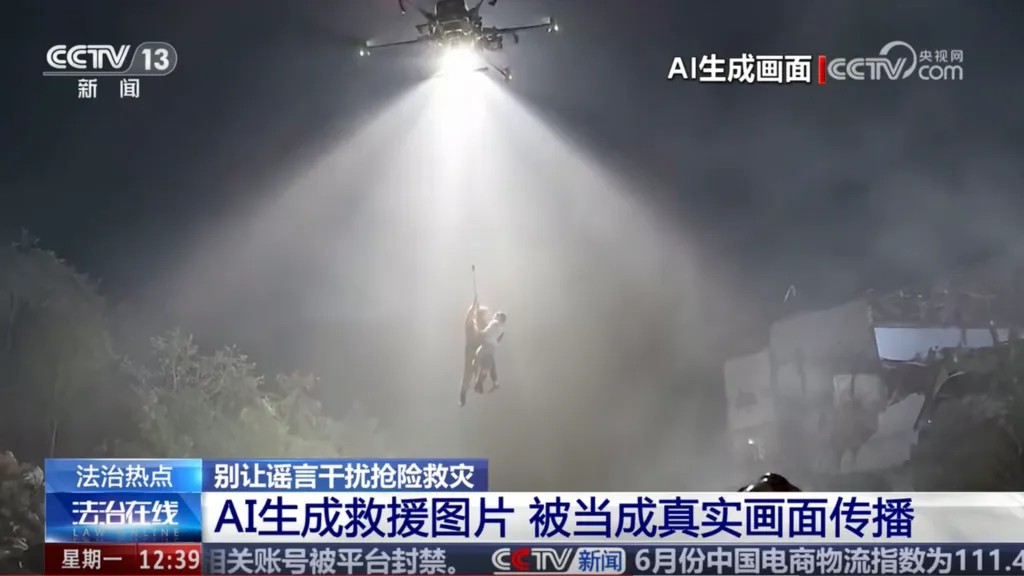
Over recent months, powerful storms and severe flooding have been accompanied by a wave of false or misleading content circulating across social media platforms. Some videos have falsely shown bodies floating in floodwaters, while others have depicted severe flooding in locations that were not actually affected.
Other fabricated videos have included inaccurate or blatantly false details about emergency response operations, potentially creating confusion at a time when accurate information is critical for residents and rescue teams.
False Reports Can Trigger Public Panic
The spread of misinformation can have real-world consequences during a disaster.
In some areas, videos containing false claims about widespread power outages reportedly prompted residents to panic-buy emergency supplies. Such misinformation can put additional pressure on already stretched supply chains and make it more difficult for authorities to manage emergency situations.
The problem is not limited to completely fabricated events. Some misleading content has been built around genuine incidents, making it harder for viewers to distinguish fact from fiction.
Flooding in Hengzhou city in Guangxi earlier in July, for example, reportedly caused hundreds of snakes to escape from a breeding facility. Following the incident, fake images circulated online that falsely suggested crocodiles had also been released into a river.
The combination of a real disaster and fabricated details can make misinformation particularly convincing.
AI Makes Fake Content Easier to Create
Authorities are increasingly concerned that advances in artificial intelligence are making it easier for individuals to produce realistic-looking videos and images with little technical expertise.
China has invested heavily in AI technology, but the same tools that can be used for legitimate purposes can also be misused to create deceptive content.
During natural disasters, when people are already anxious and looking for information, sensational videos can spread rapidly across social media. A dramatic image or video may attract thousands of views before anyone has had an opportunity to verify whether it is genuine.
Huang Zhihua, a deputy chief responsible for online public security at the Zhejiang Police Department, told Chinese state media that some content creators deliberately exploit disaster-related news to attract attention and gain followers.
According to Huang, exaggerated or sensational material can generate more likes and views, encouraging some individuals to fabricate information for online engagement.
Authorities Take Action
Chinese authorities have responded by increasing efforts to identify and punish those responsible for creating and spreading false information.
In recent weeks, some individuals have reportedly been arrested or otherwise punished for producing bogus reports and fake video content. Measures have reportedly ranged from detention pending possible criminal prosecution to financial penalties.
The authorities argue that controlling misinformation is particularly important during emergencies, when false information can potentially interfere with rescue operations, create unnecessary panic and make it harder for people to access reliable instructions.
However, the challenge is becoming increasingly complex as AI-generated content becomes more realistic and easier to produce.
The Growing Battle for Reliable Information
For emergency officials, responding to a typhoon or flood is already a major logistical challenge. Rescue teams must evacuate residents, provide shelter and supplies, restore infrastructure and communicate accurate information to affected communities.
The spread of fake AI-generated videos adds another layer of difficulty.
Residents may now have to question whether dramatic footage appearing on their social media feeds is genuine, while authorities face the task of correcting false claims before they spread widely.
The situation highlights a broader global challenge created by rapidly advancing AI technology. While artificial intelligence can provide valuable tools for communication and disaster management, its misuse can also amplify misinformation at precisely the moment when accurate information matters most.
As China faces increasingly severe weather events, the fight against fake disaster footage is likely to become an important part of emergency response. For the public, checking the source of videos, relying on official updates and avoiding the rapid sharing of unverified content may become increasingly important in separating real emergencies from digitally manufactured ones.
Source: Editorial
View Original Source →