
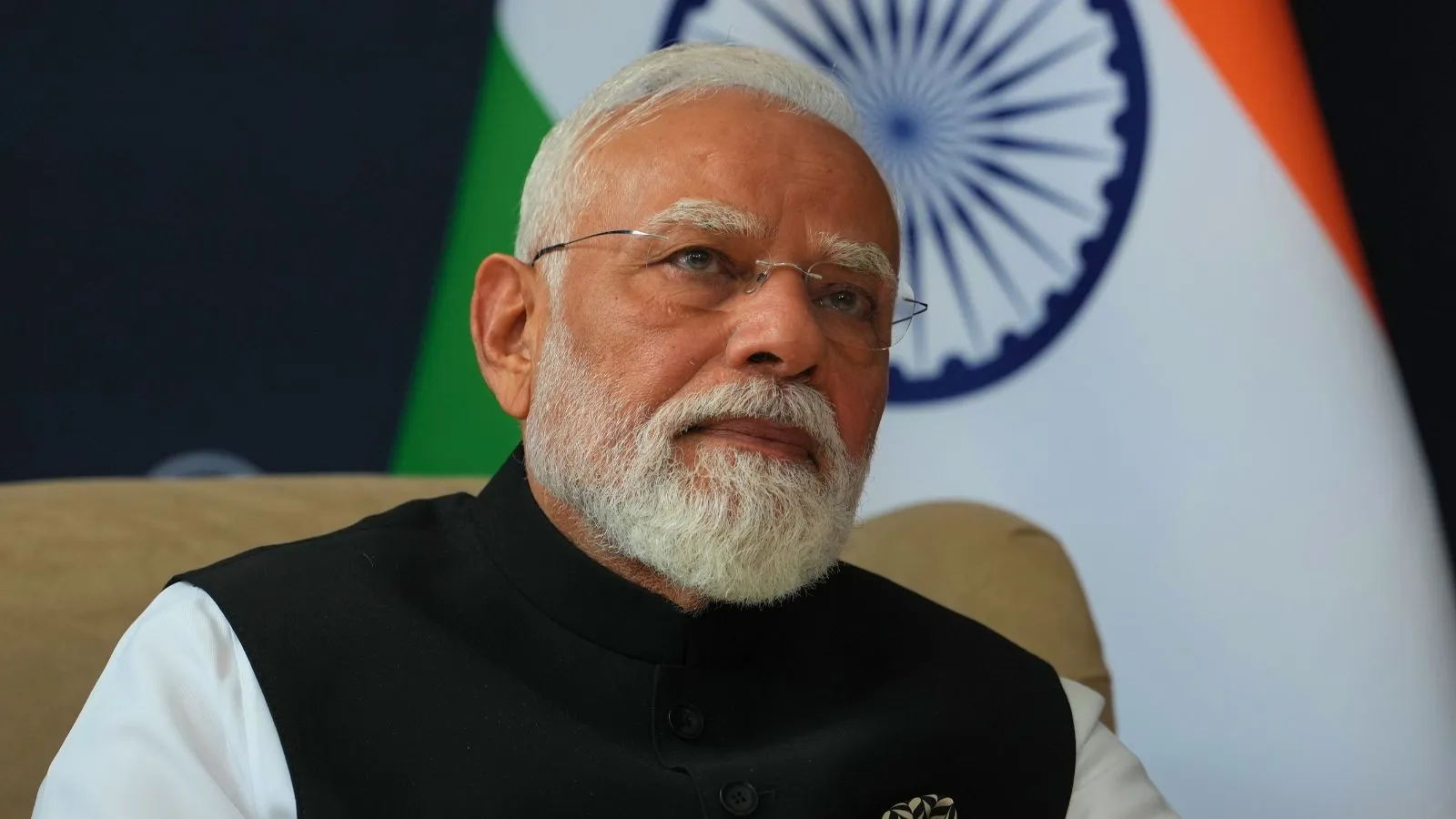
The ongoing conflict in West Asia is no longer just a regional security issue—it is increasingly becoming a global economic challenge, especially for developing nations that depend heavily on imported fuel, fertilisers and food commodities. Highlighting these concerns at the G7 Summit, Prime Minister Narendra Modi urged the world's leading economies to recognise that the economic consequences of war are being felt far beyond the conflict zone.
Addressing G7 leaders, including US President Donald Trump, Modi said the disruptions in fuel, fertiliser and food supply chains caused by the conflict in West Asia would continue to affect the Global South for "a considerable period." He stressed that the world's most vulnerable countries should not be left to bear these economic shocks alone and called upon global financial institutions to create stronger support mechanisms for affected nations.
His remarks reflect growing concern among developing economies that geopolitical conflicts are placing an increasingly heavy burden on countries that have little role in the disputes but are forced to deal with their economic fallout.
West Asia Conflict Disrupts Global Supply Chains
The conflict in West Asia has severely affected one of the world's most critical energy corridors—the Strait of Hormuz. The near-closure of this strategic maritime route has disrupted the movement of crude oil, liquefied petroleum gas (LPG), liquefied natural gas (LNG), petrol, diesel and fertilisers.
The Strait of Hormuz is considered one of the busiest shipping lanes globally, with a significant portion of the world's oil exports passing through it every day. Any disruption in this region immediately affects international energy markets, shipping costs and global commodity prices.
As tensions continue, uncertainty in supply has led to higher fuel prices across international markets, creating fresh inflationary pressures for importing countries.
India Among the Worst Affected
India is one of the world's largest importers of crude oil and depends significantly on overseas energy supplies to meet domestic demand.
The disruption in fuel shipments has increased India's import costs, placing additional pressure on government finances as well as household budgets. Rising prices of petrol, diesel and cooking gas have a cascading effect across the economy because transportation costs increase for almost every sector.
Industries dependent on energy-intensive operations also experience higher production costs, which are eventually passed on to consumers through increased prices of goods and services.
The fertiliser sector has also been affected, raising concerns for Indian agriculture. Higher fertiliser prices increase cultivation costs, potentially affecting food production and farm incomes if supply disruptions continue for an extended period.
Impact Extends Across the Global South
Prime Minister Modi emphasised that India is not the only country facing these challenges.
Several developing nations across Asia, Africa and Latin America rely heavily on imported fuel and fertilisers while possessing limited financial resources to absorb sudden increases in international prices.
Many of these economies are still recovering from the economic slowdown caused by the COVID-19 pandemic. Rising import bills, inflation and currency pressures now threaten to slow their recovery further.
Countries with weaker fiscal positions face particularly difficult choices between maintaining subsidies, controlling inflation and continuing investments in healthcare, education and infrastructure.
Call for Global Financial Support
Recognising these challenges, Modi urged international financial organisations to create dedicated support systems for countries affected by global conflicts.
He argued that developing economies should not have to shoulder the financial burden of geopolitical crises that originate elsewhere.
According to the Prime Minister, timely financial assistance could help vulnerable countries stabilise their economies, maintain essential imports and protect citizens from the worst effects of rising prices.
His appeal aligns with India's broader diplomatic position that international financial institutions must become more responsive to the needs of developing countries during periods of global uncertainty.
Why Fuel Prices Matter
Higher international crude oil prices affect much more than transportation.
When fuel becomes expensive, freight charges rise, increasing the cost of transporting food grains, vegetables, medicines and manufactured products across the country.
Electricity generation costs may also increase in regions dependent on imported fuels, while industries face higher operational expenses.
Ultimately, consumers experience these pressures through higher prices for daily necessities, making inflation one of the biggest economic risks arising from prolonged geopolitical conflicts.
Fertiliser Supply Remains a Concern
The disruption in fertiliser supplies is another issue highlighted during the discussions.
India imports a substantial quantity of fertilisers and raw materials required for domestic production. Delays or shortages can affect the agricultural sector, especially during crucial sowing seasons.
Higher fertiliser prices not only increase farming costs but can also influence crop yields and food prices if farmers reduce usage because of affordability concerns.
Ensuring uninterrupted fertiliser availability therefore remains essential for both food security and rural livelihoods.
India's Voice for Developing Nations
Over the past few years, India has increasingly positioned itself as a leading advocate for the Global South.
Whether during its G20 Presidency or at international climate and economic forums, New Delhi has consistently raised issues such as food security, affordable financing, debt sustainability and equitable development.
Modi's intervention at the G7 continues this diplomatic approach by arguing that global economic resilience depends on ensuring that developing countries receive adequate support during international crises.
Shared Responsibility in an Interconnected World
The Prime Minister's message reflects a broader reality of today's interconnected global economy.
Conflicts taking place thousands of kilometres away can influence inflation, energy prices and economic growth in countries with no direct involvement in those disputes.
As global supply chains become increasingly interconnected, experts argue that responses to such crises must also become more coordinated, combining diplomatic efforts with financial assistance for vulnerable economies.
Looking Ahead
While the duration of the conflict in West Asia remains uncertain, its economic consequences are already being felt across much of the developing world.
For India, maintaining energy security, controlling inflation and ensuring stable supplies of fuel and fertilisers will remain key policy priorities in the coming months.
At the G7 Summit, Prime Minister Modi's message was clear: global conflicts demand global solutions. If developing nations are expected to continue driving economic growth and supporting global stability, they cannot be left to manage the financial consequences of international crises on their own. Strengthening global cooperation and expanding financial support for vulnerable countries will be essential to building a more resilient and balanced world economy.