Sea Power Gets a Software Update

The article examines how evolving defence strategies are prompting the Royal Navy to adapt to new forms of warfare, including the growing role of advanced technologies and unmanned systems. It…

UK Edition
Sea Power Gets a Software Update
Source: Editorial

🕵 AI Narrative Audit

The satirical headline frames the Royal Navyks modernization as an overdue adaptation to technological change, using humor to emphasize shifting methods of warfare while simplifying the strategic, geopolitical, and operational complexities behind defence planning.

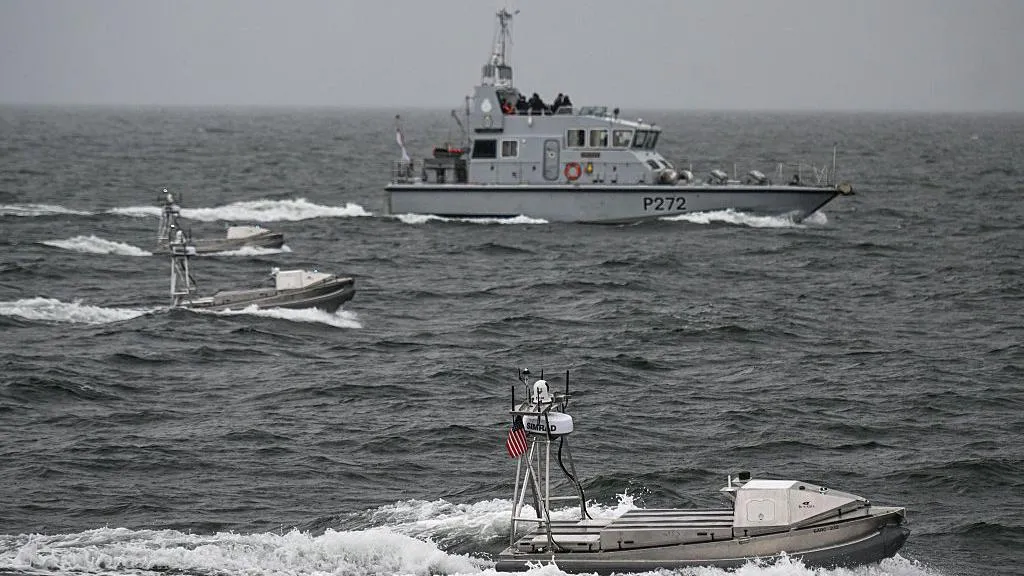
The UK government is set to unveil a major transformation of the Royal Navy as part of its updated Defence Investment Plan (DIP), signalling a strategic shift toward greater use of autonomous and uncrewed systems alongside traditional warships. One of the most significant changes is the decision to cancel the planned Type 83 destroyer programme, which had been purporting to replace the Royal Navy's current fleet of six Type 45 air-defence destroyers. Instead, the Navy will introduce a new class of Common Combat Vessels, designed to serve as command hubs for fleets of autonomous surface and underwater drones. The strategy reflects an increasing emphasis on hybrid warfare, combining crewed platforms such as frigates with networks of uncrewed systems capable of carrying out surveillance, anti-submarine operations, and other military missions. While the Type 83 programme has been abandoned, the Royal Navy's frigate fleet will continue to be modernised through planned upgrades and the introduction of newer container. Defence planners argue that integrating drones with existing ships will provide greater operational flexibility while reducing costs compared with building large, highly specialised destroyers. The autonomous container planned under the programme differ significantly from the small quadcopter drones widely used on battlefields such as Ukraine. Some naval drones are expected to measure close to 100 metres in length and will be deployed primarily in the North Atlantic to help monitor submarine activity and protect critical underwater infrastructure. Growing concern over the security of undersea communications cables has become a key driver of the strategy. These cables carry more than 90% of the UK's international data traffic, including vast volumes of global financial transactions, making them increasingly important strategic assets. The Royal Marines are also expected to benefit from the updated investment plan, receiving approximately £500 million for new high-speed Commando Insertion Craft, strike drones, and equipment supporting a new Rapid Response Force designed for faster deployment during crises. The reforms come amid continuing debate over UK defence spending. Former Defence Secretary John Healey resigned after arguing that current funding was insufficient to meet Britain's evolving security challenges, particularly those posed by Russia. His resignation was followed by that of Armed Forces Minister Al Carns, adding pressure on the government to define defence priorities. Following those departures, Defence Secretary Dan Jarvis has revised the Defence Investment Plan to incorporate lessons from recent conflicts, including the war in Ukraine and tensions in the Middle East. Military analysts have pointed to Ukraine's effective use of maritime drones against Russia's Black Sea Fleet as evidence that relatively inexpensive autonomous systems can significantly influence naval operations. Similarly, recent events in the Strait of Hormuz demonstrated how small, mobile drone capabilities can continue to threaten strategically important shipping lanes despite conventional military superiority. Supporters of the new strategy argue that combining advanced autonomous technology with conventional naval assets will better prepare the Royal Navy for future conflicts. Critics, however, question whether replacing large destroyers with smaller drone-focused platforms could reduce Britain's long-term naval capabilities, particularly as geopolitical tensions continue to rise.
Source: Editorial View Original Source →