
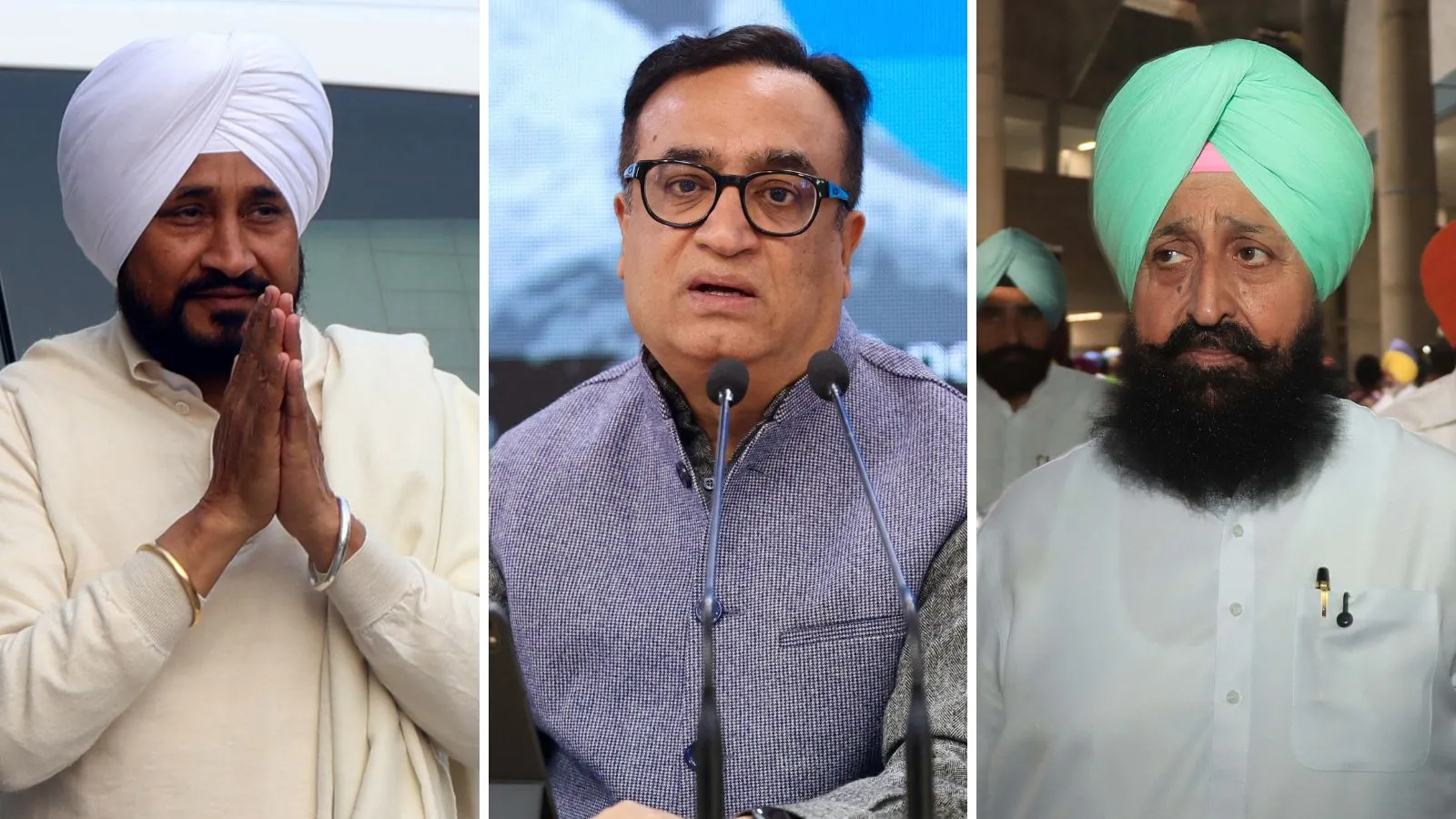
The Congress party has launched one of its biggest organisational reviews in Punjab in recent years, summoning 66 senior leaders to New Delhi as it attempts to address growing factionalism and strengthen the state unit ahead of the next Assembly elections.
The exercise reflects the party's concern that internal divisions, if left unresolved, could undermine its electoral prospects in a state where it once enjoyed a dominant political position. While no formal announcement has been made regarding a leadership overhaul, the scale of the consultations has fuelled speculation that the Congress high command is considering significant organisational changes.
With the possibility of Punjab's Assembly elections being advanced, the party appears keen to settle internal disputes and present a united front well before the campaign begins.
Why the Meeting Matters
The Congress leadership's decision to call as many as 66 leaders from Punjab to Delhi is unusual, both in scale and timing.
The consultations are expected to involve former ministers, sitting legislators, district leaders, organisational office-bearers and senior party functionaries. According to party insiders, the objective is to gather direct feedback on the functioning of the Punjab Congress and assess whether changes are needed in the state leadership or organisational structure.
Rather than relying solely on reports from a handful of senior leaders, the high command appears to be seeking a broader understanding of the mood within the party.
A State Unit Grappling with Internal Divisions
Factionalism has remained one of the Congress party's biggest challenges in Punjab since it lost power in the 2022 Assembly elections.
Competing power centres, differences over leadership and disagreements on political strategy have frequently overshadowed the party's efforts to rebuild its organisation. Several senior leaders continue to command loyal support bases, making consensus-building difficult.
Political observers believe these divisions have affected the party's ability to function as a cohesive opposition, allowing rivals to occupy more political space.
The latest round of consultations is therefore seen as an attempt to address these long-standing issues before they become a liability during the election campaign.
Elections Could Arrive Earlier Than Expected
Adding urgency to the exercise is growing speculation that Assembly elections in Punjab, along with those in Uttar Pradesh, Uttarakhand and Goa, could be held earlier than originally expected.
The possibility stems from the nationwide Census enumeration exercise scheduled for February 2027. Conducting elections and the Census simultaneously would present significant administrative and logistical challenges.
The Bharatiya Janata Party (BJP) has reportedly asked its state units in these four states to prepare for the possibility that elections could be advanced by at least a month.
Although the Election Commission has not announced any revised election schedule, political parties are increasingly planning for an earlier campaign.
Congress Wants to Avoid Past Mistakes
Punjab has been one of the Congress party's most politically significant states.
However, internal disagreements in the run-up to previous elections often overshadowed governance issues and campaign messaging. Leadership disputes and public disagreements among senior leaders became recurring headlines, weakening the party's image at crucial moments.
This time, the high command appears determined to avoid repeating those mistakes.
By consulting a large cross-section of leaders well in advance, the party hopes to identify organisational weaknesses, improve coordination and ensure that local leaders work together during the election campaign.
What Could Change?
While no official restructuring has been confirmed, political observers believe several possibilities are being evaluated.
The Congress leadership could decide to:
Reorganise the Punjab Pradesh Congress Committee (PPCC). Redistribute organisational responsibilities among senior leaders. Appoint new district-level office-bearers. Strengthen coordination between legislators and the party organisation. Introduce changes aimed at reducing factional rivalries.
Whether these measures involve major leadership changes or simply organisational fine-tuning remains unclear.
Challenges Beyond Internal Politics
Even if Congress succeeds in improving internal unity, the road to the next Assembly election remains challenging.
The party must rebuild public confidence after its defeat in 2022 while competing against a politically dynamic field that includes the Aam Aadmi Party, the Shiromani Akali Dal and the BJP.
Voters are expected to focus on issues such as agriculture, employment, drug abuse, industrial development, law and order, and the financial health of the state.
To remain competitive, Congress will need not only organisational stability but also a convincing political narrative that resonates with Punjab's electorate.
Why Unity Matters
Political parties often enter election season with internal disagreements, but prolonged factionalism can have serious electoral consequences.
Competing factions frequently weaken campaign coordination, confuse party workers and create mixed messaging among voters.
Recognising these risks, the Congress leadership appears to be prioritising unity before finalising its electoral strategy.
Bringing together leaders from different regions and political camps may also help reduce misunderstandings and rebuild trust within the organisation.
The Road Ahead
The Delhi consultations are unlikely to produce immediate public announcements. Instead, they are expected to help the Congress leadership assess the organisational mood and determine whether structural changes are necessary.
Any decisions regarding leadership positions or organisational restructuring will likely be taken only after the feedback process is complete.
With the Assembly elections drawing closer—and the possibility of an advanced poll schedule adding further urgency—the Congress faces a critical period in Punjab.
Whether these consultations lead to genuine reconciliation or simply postpone existing tensions will become clear in the months ahead. For now, the message from the party's central leadership is evident: internal unity can no longer be postponed if Congress hopes to mount a serious electoral challenge in one of India's most politically important states.