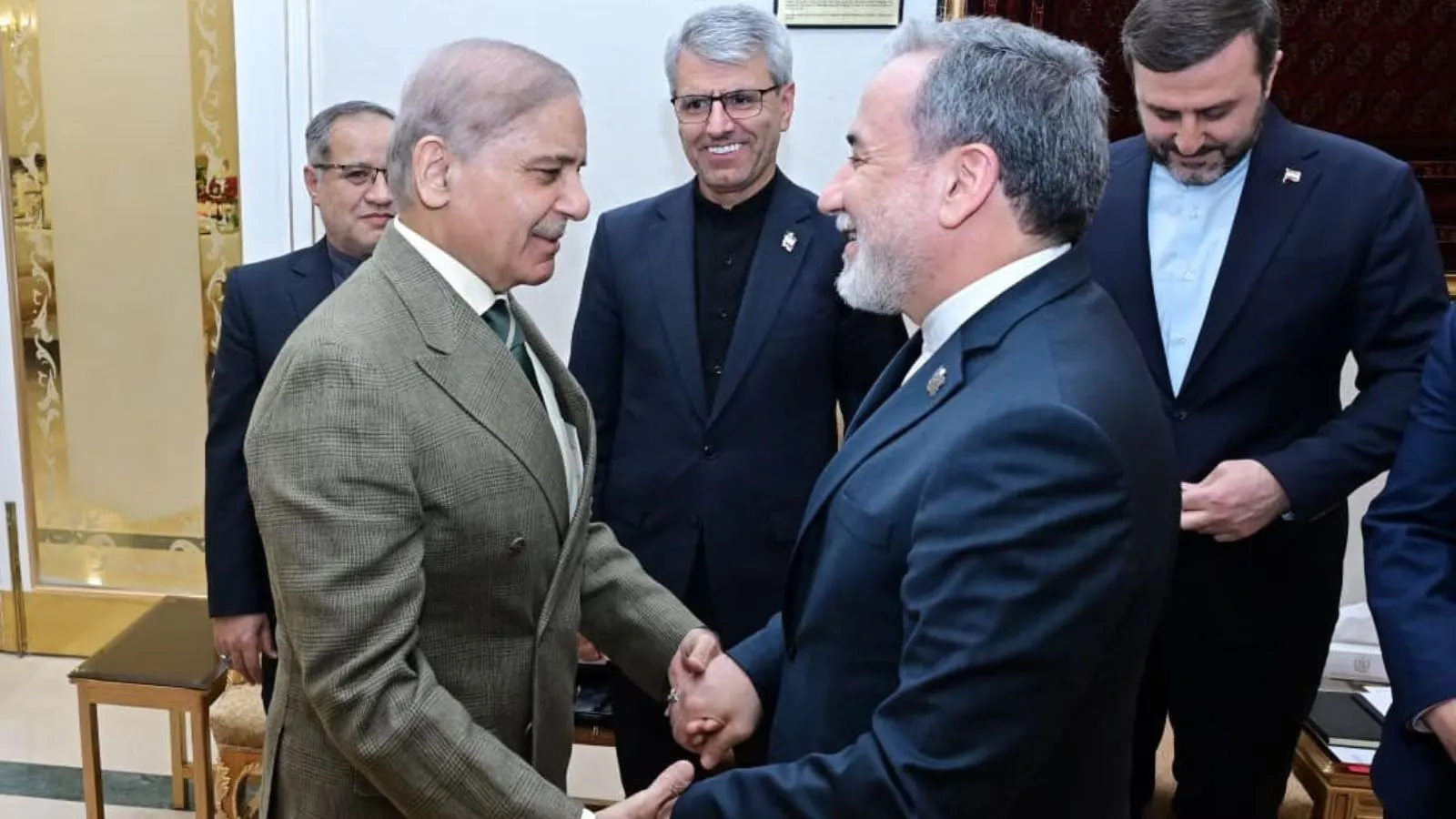
Pakistan Prime Minister Shehbaz Sharif on Saturday announced that the United States and Iran have reportedly agreed on the wording of a framework aimed at ending months of conflict in West Asia. The statement suggested a major diplomatic development, with an electronic signing of the agreement expected within the next 24 hours. However, Iranian officials quickly tempered expectations, saying the deal would not be signed on Sunday, highlighting ongoing uncertainty in the negotiation process.
Sharif’s Announcement and Pakistan’s Role
According to Sharif, Pakistan is now preparing for the formal signing process of what he described as a potentially historic agreement. He indicated that once the framework is signed, technical-level negotiations would begin the following week to finalize key details of the deal.
These discussions are expected to cover sensitive issues, including the future of Iran’s nuclear programme and broader regional security arrangements. Pakistan’s involvement, as described by Sharif, positions Islamabad as a facilitator in efforts to stabilize tensions between Washington and Tehran.
Iran’s Response and Diplomatic Uncertainty
Despite Sharif’s optimistic timeline, Iranian officials issued a more cautious response, clarifying that no signing was scheduled for Sunday. This contradiction underscores the fragile and evolving nature of the negotiations, where even agreed-upon frameworks can still face delays or reinterpretation.
The mixed messaging reflects the complexity of US–Iran relations, where diplomatic progress is often accompanied by public ambiguity and strategic signaling from both sides.
Strategic and Regional Implications
If finalized, the agreement could represent one of the most significant diplomatic breakthroughs since the conflict began in February. One of the key expected outcomes would be the reopening of the Strait of Hormuz, a critical maritime route through which a large portion of global oil shipments pass.
Restoring stability in this corridor could ease global energy market pressures, reduce shipping disruptions, and lower the risk of wider regional escalation. Analysts suggest that even partial progress toward de-escalation could have immediate economic and geopolitical impacts.
Technical Negotiations Ahead
While the reported framework marks a symbolic step forward, substantial challenges remain. Technical negotiations scheduled for next week are expected to address the most contentious issues, including verification mechanisms, nuclear limitations, and enforcement structures.
Diplomats familiar with such processes note that framework agreements often serve as starting points rather than final resolutions, meaning further negotiation is critical before any durable settlement is reached.
Conclusion
The latest statements from Pakistan, the United States, and Iran present a cautiously optimistic yet unsettled picture of ongoing diplomacy. While the announcement of a potential framework deal has raised hopes for de-escalation, Iran’s clarification underscores that significant work remains before any formal agreement can be signed or implemented.