
Finance
UK Edition
Pump Prices Rise, UK Inflation Takes the Express Lane
UK inflation has risen alongside higher petrol and diesel prices, highlighting continued pressure on household and transport cost. However, fuel prices are only one component of inflation, and the…
CMS Admin
Editorial · Honestly Biased
AI Narrative Bias Audit
The headline frames rising petrol and diesel prices as the primary driver of higher UK inflation, emphasizing the cost of living impact without presenting broader contributing factor.
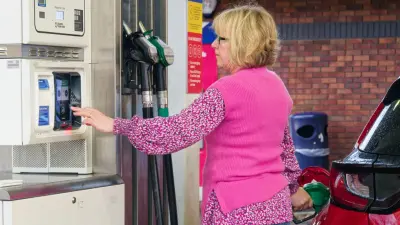
UK inflation accelerated to 3.1% in the year to August, up from 2.9% in July, marking its highest level in five months, according to figures from the Office for National Statistics (ONS).
The rise was driven largely by higher petrol, diesel and airfare, adding further pressure to households and businesses already facing elevated living cost.
Fuel Prices Take the Lead
Motor fuel prices increased sharply during August, with petrol reaching its highest level in almost four years. Overall, motor fuel prices were 23% higher than a year earlier.
Average petrol prices rose by 9.1 pence per litre between July and August, reaching 161.3p per litre. The ONS said this was the highest recorded price since November 2022, when energy markets were still being affected by Russia full scale invasion of Ukraine.
The increase came as global oil prices rose amid continued conflict in the Middle East. Oil prices moved above $91 a barrel during the period, compared with around $73 before hostilities began earlier in the year.
Airfares also increased during August, traditionally one of the busiest months for summer travel, adding another factor to the rise in inflation.
Businesses Face Higher Costs
Higher energy and fuel prices are also creating pressure for businesses, particularly smaller petrol retailer.
Goran Raven, owner of Essex based petrol station RJ Raven, said his business was around 20% lower than the same period last year. He said fluctuations in oil prices have an almost immediate effect on smaller forecourts because they often have limited storage capacity and must purchase fuel at prevailing prices.
The rise in fuel costs has therefore created pressure not only for motorists but also for businesses operating within the fuel supply chain.
Food Inflation Remains Lower
Despite the increase in overall inflation, the effect of higher oil prices has not yet been reflected significantly in some other areas.
According to Capital Economics, inflation in food and drink remained at 1.3% in the year to August. However, the organisation expects higher energy costs could eventually feed through to businesses and consumers.
Capital Economics chief UK economist Paul Dales has estimated that inflation could reach 4.2% in January, as higher oil and gas prices and increased business costs begin to affect other parts of the economy.
Inflation Moves Further Above Bank of England Target
The latest figures put inflation further above the Bank of England's 2% target. The Bank use interest rates as one of its main tools for controlling inflation.
The Bank interest rate currently stands at 3.75%, with policymakers due to meet to decide whether any change is required.
The inflation figure come as the UK economy continues to show mixed signals. The economy expanded by 0.4% in July, although growth during the April to June quarter slowed to 0.4%, compared with 0.6% in the first quarter.
Political Reaction
Chancellor John Healey said the conflict in the Middle East was affecting inflation internationally, including through household bills, shopping costs and petrol prices. He also described the UK economy as resilient despite the global uncertainty.
Opposition politicians offered a different explanation for rising cost. Shadow chancellor Andrew Griffith attributed some of the pressure to government policies, including employment measures and energy policy, while a Conservative spoke person pointed to the government net zero commitment and its position on North Sea drilling.
These political claims represent competing interpretations of the factors contributing to house hold cost, while the ONS data specifically identify changes in fuel and other prices with in the inflation measure.
For motorists, however, one immediate consequence is clear, filling up the car has become significantly more expensive, adding to the broader pressure on UK prices.
Distribute This Chronicle
Independent commentary breaks corporate silence when readers circulate the ledger directly to their peers.
Attribution: Editorial
Examine Raw Source