
Finance
Indian Edition
Subhash Chandra Insolvency, ₹22,006 Crore on Paper, ₹6.5 Crore in the Recovery Box
Creditors in Subhash Chandra insolvency proceedings are reportedly set to recover only about ₹6.5 crore against claims totaling ₹22,006 crore. The unusually large gap highlights the limited recovery…
CMS Admin
Editorial · Honestly Biased
AI Narrative Bias Audit
The framing highlights the stark gap between creditors ₹22,006 crore claims and the ₹6.5 crore expected recovery, emphasizing the financial disparity without fully explaining the insolvency process and reasons behind the low recovery.
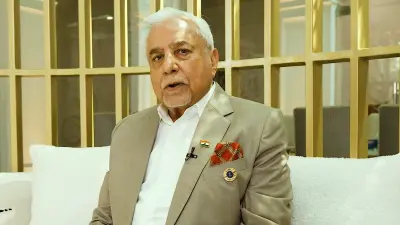
The National Company Law Tribunal (NCLT) on August 25 approved a repayment plan for Essel Group founder Subhash Chandra under the Insolvency and Bankruptcy Code (IBC), 2016.
Under the approved plan, creditors are set to receive ₹6.25 crore, while another ₹25 lakh has been allocated towards the costs of the insolvency resolution process.
The amount is extremely small compared with the ₹22,006.57 crore in admitted claims against Chandra. Based on these figures, the proposed recovery works out to approximately 0.03% of the admitted claims, leaving creditors facing a reduction of nearly 99.97%.
Huge Gap Between Claims and Recovery
The figures underline the enormous gap between the amount claimed by creditors and the money available for repayment.
In simple terms, for every ₹100 of admitted claims, creditors would recover only a few paise under the approved plan. The remaining amount would effectively not be recovered through this particular resolution arrangement.
The scale of the haircut has drawn attention because of the significant amount involved and the potential impact on lenders and other creditors.
Some Creditors Oppose the Plan
Not all creditors have accepted the repayment proposal. HDFC Bank, among others, has opposed the plan and is considering challenging the NCLT decision through an appeal.
Any such legal challenge could potentially affect the implementation of the approved repayment arrangement, depending on further proceedings and decisions by the relevant authorities.
What the Approval Means
The NCLT approval represents an important step in the insolvency proceedings under the IBC. However, the extremely low recovery also illustrates the challenges creditors can face when the value available for resolution falls substantially short of admitted liabilities.
The final outcome may still be influenced by any appeals or further legal proceedings initiated by dissatisfied creditors.
For now, the approved plan provides for ₹6.25 crore to creditors and ₹25 lakh towards insolvency resolution cost, against admitted claims of more than ₹22,000 crore. The case therefore highlights the difficult balance between completing an insolvency resolution process and maximising recoveries for creditors.
Attribution: Editorial
Examine Raw Source