
Health
Indian Edition
70% Full, 100% Tension, India Water Reserves Hit 10 Year Low
India water reserves have fallen to around 70% of capacity, reaching their lowest level in a decade and raising concerns about water availability. The situation could put additional pressure on…
CMS Admin
Editorial · Honestly Biased
AI Narrative Bias Audit
The report highlights India critically low water reserve and frame the 10 year low as a growing concern for water availability and public welfare.
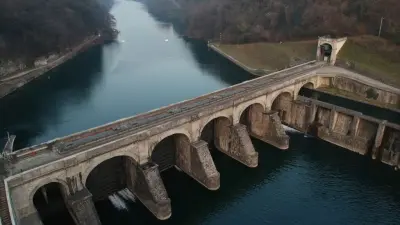
As the southwest monsoon season approaches its official end on September 30, water storage in 178 major reservoirs across India has fallen to 70% of their total capacity, according to the latest live reservoir storage report compiled by the Central Water Commission (CWC).
The current storage level is below the 10 year average of 76.62% for this period and is also lower than the 79% recorded during the same period in 2025, highlighting a weaker water storage position compared with recent years.
The CWC report, dated September 24, comes amid drought declarations in Maharashtra and Karnataka, adding to concern over water availability in several parts of the country.
South India Faces the Sharpest Decline
The situation appears particularly concerning across reservoirs in the southern, eastern and northern region, according to the CWC assessment.
Among these areas, South India has recorded the lowest water reserves. The region, covering Andhra Pradesh, Telangana, Karnataka, Kerala and Tamil Nadu, has storage at around 50% of its total capacity, equivalent to approximately 27.926 billion cubic metre.
This represents a significant decline from the 87.25% storage recorded during the same period last year.
The lower reservoir levels come alongside below-normal rainfall. According to India Meteorological Department (IMD) data, South India had received 23% less rainfall than normal as of September 28.
A Warning as the Monsoon Season Ends
The figures come at a crucial point in India annual water cycle, with the southwest monsoon season set to officially conclude on September 30.
While reservoir storage varies considerably between regions, the national figure of 70% remains below both the long-term average and last year level.
For states already facing rainfall deficits or drought conditions, lower reservoir storage could increase pressure on water resources in the months ahead.
The data also highlights the importance of monitoring reservoir levels beyond the end of the monsoon, particularly in regions where rainfall has remained below normal and storage has fallen sharply compared with the previous year.
With the monsoon season drawing to a close, the reservoir figures provide an important indicator of India water position heading into the coming months.
Distribute This Chronicle
Independent commentary breaks corporate silence when readers circulate the ledger directly to their peers.
Attribution: Editorial
Examine Raw Source