
Health
UK Edition
Care, But Make It NHS, Burnham Pitche a New Social Care System for England
Andy Burnham has proposed an NHS style approach to social care in England, aiming to address concerns around access, funding and the way care is delivered. The proposal raises wider question about…
CMS Admin
Editorial · Honestly Biased
AI Narrative Bias Audit
The headline frames Andy Burnham proposal through a lightly satirical lens, emphasising the NHS style model while leaving the practical benefits, costs, and challenges for further examination.
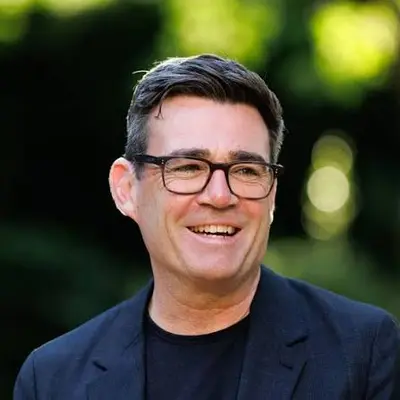
Andy Burnham is proposing a major overhaul of social care in England, with the aim of creating a system where everyone can access free personal care when they need it. The proposal would be based on NHS style principles, with Burnham saying the model should work on the basis that everyone contribute, everyone is covered.
Burnham plans to present his vision on Tuesday and take the proposal to voters at the next general election. He has also asked Whitehall troubleshooter Baroness Casey to accelerate her social care review, which is now expected to provide advice on how such a system could be introduced.
Free Care for Everyone? The Funding Question Remains
Unlike NHS treatment, adult social care in England is currently not free at the point of use. People with savings above £23,250 generally do not qualify for council help towards their care cost, although the rules differ across the UK.
Burnham has not yet provided a detailed funding model for universal free social care. When asked about estimates suggesting that such a system could cost taxpayers around £18bn a year, he rejected the figure as too high, while acknowledging that funding would be a major part of the debate.
He also did not rule out tax increases, saying that nothing is off the table when it comes to paying for the reform.
Looking to Scotland
Burnham has pointed to Scotland, where eligible adults can receive free personal care following an assessment of their need, Support can include help with everyday activities such as eating and bathing.
His argument is that people in England should have access to comparable support rather than facing potentially significant personal costs when they need long term care.
He also argue that inadequate social care places pressure on the NHS because some patients remain in hospital despite being medically ready to return home when suitable care arrangements are unavailable.
Conservatives Draw a Tax Line
The proposal has already triggered opposition from the Conservatives. Shadow home secretary Chris Philp said Labour was suggesting further tax rises to fund the reforms and said the Conservative would not support such increase.
Conservative economic arguments instead focus on finding savings elsewhere, including within the welfare budget, if additional money is required for social care or other public services.
Liberal Democrat leader Sir Ed Davey has called for Burnham to continue the cross party discussion on social care that began in July, while Labour MP Darren Jones said the proposal was ambitious but stressed that its financial details would need to be examined.
Reform UK Robert Jenrick also criticised the proposal, reviving the politically charged death tax description associated with earlier attempts to change how social care is funded.
An Old Political Problem Returns
Social care reform has repeatedly proved difficult for British government.
Burnham previously proposed a national care service while serving as health secretary under Gordon Brown. That plan included a compulsory contribution mechanism and faced criticism over the possibility of costs being recovered from people estate after death.
The issue also became politically damaging for the Conservatives in 2017, when Theresa May proposed changes to social care funding were attacked by opponents as a dementia tax.
Burnham is therefore approaching an issue that has challenged successive governments, with the central questions once again revolving around who receives care, who contributes, and how much taxpayers should pay.
Burnham Wants Voters to Have the Final Say
Burnham say he does not want to rush the reform and want to build cross party consensus before finalising the detail. He has also said the eventual plan would be presented to voters at a general election, allowing the public to decide whether they support the proposed approach.
For now, the political debate is less about the principle of improving social care and more about the practical details, how universal the system would be, how much it would cost, and how the government would fund it without placing additional pressure on public finances.
Distribute This Chronicle
Independent commentary breaks corporate silence when readers circulate the ledger directly to their peers.
Attribution: Editorial
Examine Raw Source