
Health
Berkshire Edition
Summer Dries Pond, Fish Pay the Ultimate Price in Park Cleanup
The dead fish were cleared from the park pond after a prolonged dry summer, highlighting the impact of reduced water levels on aquatic life. While the immediate cause is linked to the dry…
CMS Admin
Editorial · Honestly Biased
AI Narrative Bias Audit
The report presents the fish deaths primarily as a consequence of the dry summer and falling pond water level, while leaving broader environmental or maintenance factors less explored.
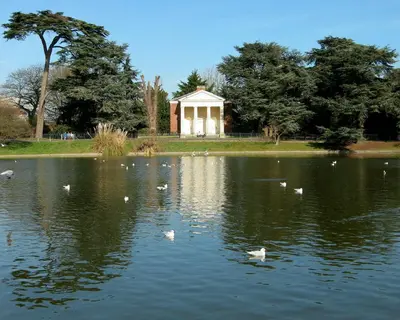
An emergency response team has removed dead fish from the surface of a pond at Prospect Park in Reading, after prolonged dry weather left water levels significantly below normal.
Reading Borough Council said the pond water level had remained low following the long, dry summer, raising concerns among visitors about the condition of the water and the impact on aquatic life.
In an effort to prevent further fish deaths, the council obtained permission from Thames Water for the fire service to add water to the pond. However, the intervention only raised the pond to around half of its usual depth.
The council said it understood concerns from members of the public and had been taking steps to address the situation. It also contacted the Environment Agency in late August over the low water levels and loss of fish.
According to the council, the Environment Agency was unable to provide assistance because similar incidents were being reported elsewhere across the country.
Duckweed, Not Blue Green Algae
The council also sought to clarify the appearance of the pond, saying the green covering was caused by duckweed rather than blue, green algae.
Duckweed is not considered a hazard to humans or dogs, according to the council, and can provide shelter for aquatic life while also serving as a food source for ducks.
The unusually warm weather has encouraged duckweed to grow more rapidly, contributing to the pond heavily covered appearance.
Autumn and Winter May Bring Natural Recovery
The council said it expects the pond to naturally refill during the autumn and winter months and will continue monitoring the amount of duckweed.
Officials said further action would be considered if the growth becomes excessive or is judged to require intervention.
For now, the removal of dead fish and efforts to maintain water levels highlight the challenges facing urban ponds after an extended period of hot and dry weather. While duckweed itself is not considered a direct public health hazard, the condition of the pond remains an environmental concern as officials monitor whether seasonal rainfall can restore its normal water level.
Distribute This Chronicle
Independent commentary breaks corporate silence when readers circulate the ledger directly to their peers.
Attribution: Editorial
Examine Raw Source