
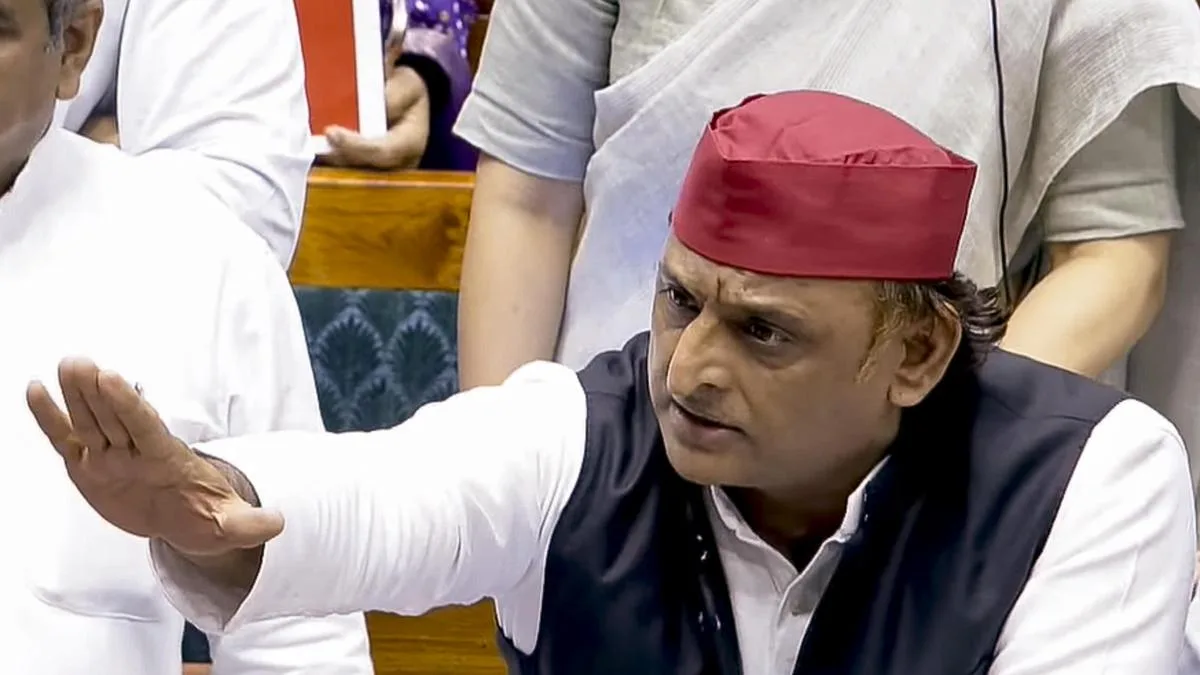
Samajwadi Party (SP) president Akhilesh Yadav on Wednesday, August 19, 2026, criticised the Centre over its policy on E20 petrol, citing reported remarks by Chief Economic Advisor V. Anantha Nageswaran in support of E10 petrol.
In a post on X, the former Uttar Pradesh Chief Minister shared an image referring to Mr. Nageswaran's reported comments and questioned the government's position on the higher ethanol blend fuel.
Akhilesh Raises Questions Over E20
At the centre of Akhilesh Yadav criticism is the reported view that E10 petrol could be preferable in certain circumstances. He used the reported remarks to question why the government is promoting E20 petrol despite concerns about its effects on vehicles.
His intervention adds a political dimension to an ongoing discussion over ethanol blending, vehicle compatibility and the broader implications of India's fuel policy.
What Is E20 Petrol?
E20 refers to petrol containing up to 20% ethanol blended with gasoline. India has been increasing ethanol blending as part of its efforts to reduce dependence on imported crude oil and expand the use of domestically produced renewable fuel.
The transition, however, has also generated debate over vehicle compatibility, fuel efficiency and the long term effects of higher ethanol blends.
The E10-E20 Debate
E10 petrol contains up to 10% ethanol, while E20 contains up to 20%. The debate is not simply about choosing one fuel over another; it also involves the age and design of vehicles, fuel efficiency, manufacturing standards and the broader objectives of the country's energy policy.
Akhilesh Yadav criticism focuses particularly on whether the move toward E20 adequately considers the concerns of vehicle owners.
At the same time, the reported remarks attributed to the Chief Economic Adviser need to be viewed in their full context before drawing conclusions about the government's overall position on ethanol blending.
Political Debate Over Fuel Policy
The issue has now become part of the wider political debate over the Centre economic and energy policies. By highlighting the reported E10 remarks, Yadav has sought to question the consistency of the government approach to ethanol blended petrol.
For motorists, however, the discussion extends beyond political arguments. Questions about vehicle compatibility, fuel economy, manufacturing standards and the availability of appropriate fuel remain important consideration.
What Comes Next?
As India continues its transition toward higher ethanol blending, discussions over E20 are likely to remain prominent. The government, automobile manufacturers, economists and consumers all have a stake in ensuring that the transition balances energy security and environmental objectives with the practical concerns of vehicle owners.
Akhilesh Yadav latest remarks have brought those concerns back into the political spotlight, but the significance of the reported E10 comments depends on their complete context and the technical evidence surrounding E20 fuel.