
Politics
World Edition
Death Toll Hits 788 as Rescuers Race Through Debris to Reach Trapped Workers
The reported death toll has reached 788, while rescue teams are drilling through debris in an effort to reach workers trapped inside a tunnel. The situation remains ongoing, and further information…
CMS Admin
Editorial · Honestly Biased
AI Narrative Bias Audit
The framing emphasize the rising death toll and urgent rescue operation, while providing limited context about the disaster cause, the scale of the damage, and the challenges facing rescuers.
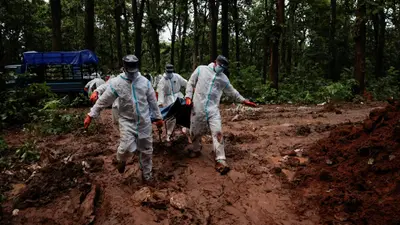
The death toll from the devastating flash floods in Nepal has risen to 788, according to the country disaster authority, as rescue and search operations entered their fifth day on Sunday (August 30, 2026).
More than 2,500 people remain missing, adding urgency to the ongoing efforts to locate survivors and recover those who have died. Bodies have so far been recovered from eight affected districts, while rescue teams continue searching areas hit by the powerful floods and debris.
Chinese state media has separately reported 16 deaths in Tibet and 546 people missing following the disaster, which has affected areas on both sides of the Himalayas.
Rescue Teams Face Dangerous Conditions
Rescuers in Nepal and China are working in extremely difficult conditions as they search for people swept away by the floods. Thick mud, rising river levels and the threat posed by a newly formed lake are complicating rescue operations.
The disaster sent a massive flow of water, mud and debris through Himalayan communities, damaging infrastructure and engulfing entire villages. Rescue teams are racing against time as authorities attempt to determine the fate of thousands of people still unaccounted for.
With the search now entering its fifth day, authorities are continuing to focus on areas where people may have become stranded or buried beneath debris.
Bodies Being Identified
Nepal has also begun the difficult process of burying some of the hundreds of bodies recovered since the floods struck.
Before burial, authorities are collecting DNA samples from unidentified victims. The samples are intended to help authorities identify the deceased and allow families to reclaim their relatives and carry out traditional funeral rites once identification is completed.
The identification process is expected to take time given the number of people still missing and the scale of the disaster.
Search Continues
The focus remains on finding survivors and locating those who are still missing. Rescue personnel must also contend with unstable conditions, including mud, changing river levels and other hazards created by the flooding.
The latest figures indicate the enormous scale of the disaster, with 788 deaths reported in Nepal and more than 2,500 people still missing, while separate figures from Chinese state media report casualties and missing people in Tibet.
As rescue operations continue, authorities are expected to provide further updates on the death toll, missing persons and identification efforts.
Attribution: Editorial
Examine Raw Source