
Politics
Berkshire Edition
Farmers Face Drought, Emergency Grants Prepare to Rain on Them
Emergency drought grants are being opened to provide financial support to farmers affected by dry conditions and the resulting impact on agriculture. While the funding may offer relief, its…
CMS Admin
Editorial · Honestly Biased
AI Narrative Bias Audit
The headline uses irony to contrast the lack of rainfall with the opening of emergency financial support, while potentially making the government response seem more humorous than substantive.
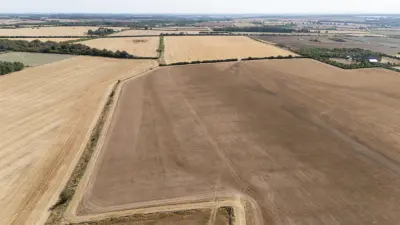
Farmers affected by exceptional drought and prolonged dry weather in England and Wales are set to receive emergency financial support through a £2 million grant programme developed by the Royal Agricultural Benevolent Institution (RABI).
The farming charity, based in Botley, Oxford, will begin rolling out the emergency assistance in five phases from September 7, 2026, with eligible farmers able to receive up to £2,000 towards personal and household living costs.
Support Arrives as Drought Pressure Builds
The grants are aimed at farm owners and tenant farmers living in officially designated drought areas across England and Wales.
The first applications in the South will open for Dorset on September 7. Farmers in Oxfordshire, Berkshire, Hampshire and the Isle of Wight will be able to apply from September 21, with further areas joining the programme during subsequent phases.
The funding is intended to help farming households deal with the financial consequences of drought rather than directly compensate for agricultural losses.
A Difficult Year for Farmers
The emergency programme comes after an exceptionally challenging period of weather.
England and Wales experienced their warmest spring on record in 2026, contributing to concerns over water availability. Conditions subsequently worsened, with multiple heatwaves and drought declarations adding further pressure on agricultural communities.
For farmers, the consequences can extend well beyond dry fields.
Reduced grazing availability, the early use of winter forage, higher animal feed costs and lower yields can all put additional pressure on household finances.
Charity Says Help Is Needed Quickly
Helen Sisk, RABI head of service delivery, said the organisation wanted to ensure support was available when farming families needed it most.
The charity said the emergency grant is specifically designed to help households meet essential personal and living expenses when drought-related pressures reduce the amount of money available to them.
RABI used information supplied by the Environment Agency to determine the five stages of the rollout.
£2,000 Grant Could Provide Immediate Relief
For eligible households, the maximum £2,000 payment could help cover essential day to day cost during a period when farming income is under pressure.
RABI chief executive Alicia Chivers said the organisation was proud of its ability to respond quickly to the scale of the challenge and encouraged eligible farming people to apply when applications opened in their area.
The charity also stressed that its wider support services remain available to farming communities.
And the Satirical Take?
The British summer apparently decided that rain was optional but expenses were mandatory.
Crops are struggling, grazing is shrinking, feed costs are climbing and now a £2 million emergency fund is being brought in to provide some financial rainfall where the weather forgot to.
For farmers, however, this is no laughing matter. The grant is designed to help households navigate the immediate financial squeeze created by drought while wider agricultural pressures continue.
Help Goes Beyond the Emergency Grant
RABI support is not limited to the new emergency fund.
Helen Sisk said farmers who miss the application window should still contact the charity, which can provide financial, emotional and practical support to members of the farming community.
That broader assistance could become particularly important if dry conditions continue to affect farm incomes and household finances.
The emergency grants offer a short term safety net, but the scale of the drought impact means many farming families may need continued support beyond the initial £2,000 payment.
The message from RABI is therefore straightforward- if drought has put a farming household under financial pressure, help is available and missing the emergency grant deadline does not necessarily mean missing out on support.
Attribution: Editorial
Examine Raw Source