
Politics
Indian Edition
From Courtroom to Freedom Struggle, Gandhi Turn 157, and the Nation Revisits the Lawyer Who Changed India
The Hindu collection marking Mahatma Gandhi 157th birth anniversary highlight his journey from a lawyer to a prominent leader of India freedom struggle. While the coverage recognise his historical…
CMS Admin
Editorial · Honestly Biased
AI Narrative Bias Audit
The headline present Mahatma Gandhi in a largely celebratory light, emphasising his transformation from a lawyer into a leader of India freedom struggle without highlighting differing historical interpretation of his legacy.
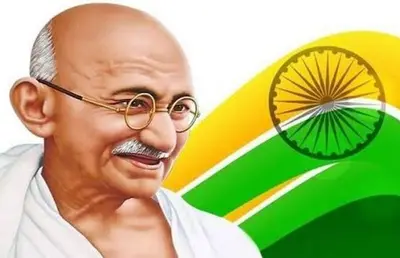
Mahatma Gandhi was a lawyer and one of the most prominent figures in India struggle for independence from British rule. Born on October 2, 1869, in Porbandar, Gujarat, Gandhi went on to become a central figure in the national movement, advocating truth, non-violence and civil disobedience as tool of political resistance.
On his 157th birth anniversary, Gandhi life and legacy offer an opportunity to revisit his journey from a young lawyer to a leader whose ideas influenced India freedom struggle and inspired movements for civil rights across the world.
From Law to the Freedom Movement
Gandhi studied law in London and later travelled to South Africa, where his experiences with racial discrimination shaped his approach to political activism. During his time there, he developed and practised methods of non violent resistance that would later become central to his work in India.
After returning to India in 1915, Gandhi gradually emerged as an influential leader in the Indian National Congress and became closely associated with mass movements against British colonial rule.
Major Movements Led by Gandhi
Gandhi played a significant role in several major campaigns during India independence struggle.
Non-Cooperation Movement (1920–1922)- Gandhi encouraged Indians to withdraw their support from British institutions and goods as a means of challenging colonial authority.
Dandi March and Salt Satyagraha (1930)- Gandhi led a march from Sabarmati Ashram to Dandi to protest the British salt tax. The campaign became a prominent example of non-violent civil disobedience.
Quit India Movement (1942)- Gandhi called for an end to British rule, urging the British to leave India during the Second World War. The movement became a major milestone in the final phase of the independence struggle.
These campaign helped mobilise people across different regions and social groups, although the independence movement also included other leaders, revolutionary organisations and political approaches.
Gandhi Philosophy and Legacy
Gandhi political philosophy centred on ahimsa (non-violence) and satyagraha (resistance through truth). He believed that peaceful resistance, collective action and moral pressure could challenge unjust systems.
His influence extended beyond India. Leaders and civil rights movements in different parts of the world later drew inspiration from his methods of non violent protest. At the same time, historical assessments of Gandhi’s life also involve debates about his views on caste, social equality, race and political strategy.
Recognising these differing perspectives provides a more complete understanding of his historical role and the continuing discussion surrounding his legacy.
Assassination and Historical Significance
Gandhi was assassinated on January 30, 1948, in New Delhi, less than six months after India gained independence from British rule. His death came during a period of intense communal violence and political uncertainty following Partition.
Decades later, Gandhi remains an important figure in discussions about India's independence, non violent resistance and the relationship between political leadership and social change.
As India marks his birth anniversary on October 2, revisiting Gandhi’s life offers an opportunity to examine both his contributions to the freedom struggle and the historical debates that continue to shape assessment of his legacy.
Distribute This Chronicle
Independent commentary breaks corporate silence when readers circulate the ledger directly to their peers.
Attribution: Editorial
Examine Raw Source