
Politics
Indian Edition
Houthi Attacks Hit Saudi Oil Sites, India Respond With Its Favourite Weapon, Condemnation
The summary should note that India condemned the Houthi attacks as a threat to regional security and navigation, while avoiding implying that the condemnation itself affects the conflict. The…
CMS Admin
Editorial · Honestly Biased
AI Narrative Bias Audit
The headline neutrally report India condemnation but can frame the government response as a meaningful diplomatic action without providing context on the nature, scale, or wider regional implications of the Houthi attacks.
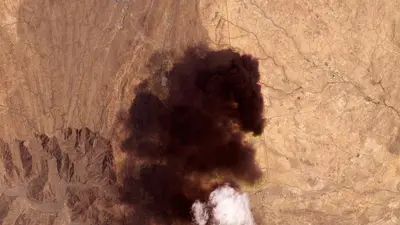
India on Wednesday, September 9, 2026, strongly condemned the latest wave of attack carried out by Houthi militants against oil installations and other infrastructure in Saudi Arabia, warning that such strikes undermine regional security and stability.
The attack, carried out on Tuesday, September 8, targeted several locations in Saudi Arabia, including areas containing important energy infrastructure. Saudi officials said the strikes injured 73 people and triggered fires at oil and other energy sector facilities, with some operations temporarily disrupted.
The latest escalation has raised concerns well beyond Saudi Arabia, particularly because of the importance of the region to global energy supplies and maritime trade. The attacks come amid heightened tensions across West Asia, increasing fears that further military action could widen the conflict and create additional pressure on energy markets.
India response reflect its broader concern over instability in the region, particularly threats to civilian infrastructure and international shipping routes. New Delhi has also stressed the importance of maintaining freedom of navigation through strategically important water way, including the Bab-el-Mandeb Strait.
The escalation is already having an impact on global oil markets. Brent crude moved above $100 a barrel on Wednesday as investors assessed the potential for further disruptions to energy supplies from the Middle East.
For India, which relies heavily on imported crude oil, prolonged disruption in the region could have wider economic consequences, including pressure on energy cost and inflation. Indian financial markets also came under pressure on Wednesday as rising crude prices and geopolitical uncertainty weighed on investor sentiment.
The latest Houthi attacks therefore represent more than another episode in the region long running conflict. With energy infrastructure and major maritime routes increasingly exposed to military escalation, the situation remains a significant concern for regional security and the global economy.
Distribute This Chronicle
Independent commentary breaks corporate silence when readers circulate the ledger directly to their peers.
Attribution: Editorial
Examine Raw Source