
Politics
UK Edition
Keep the Pressure on Putin, Freeze Europe First, Security Adviser Warn of Hard Winter
Europe may face significant economic and social pressure as it attempts to sustain a hard line stance against Vladimir Putin. The warning highlights the potential domestic costs of maintaining…
CMS Admin
Editorial · Honestly Biased
AI Narrative Bias Audit
The framing emphasise Europe potential economic and public hardship while presenting continued pressure on Putin as a difficult but necessary strategic choice.
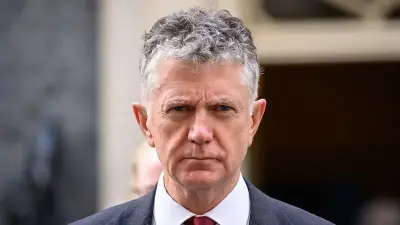
The UK national security adviser, Jonathan Powell, has warned that European countries must be prepared to endure real hardship this winter if they want to maintain economic and political pressure on Russia over its war in Ukraine.
Speaking at the Yalta European Strategy forum in Kyiv, Powell argued that the Western strategy of supporting Ukraine and imposing sanctions on Moscow was beginning to work. He urged European nations not to take their foot off the gas, saying growing Russian threats and talk of escalation should be viewed as a sign that pressure on President Vladimir Putin was having an impact.
However, Powell optimism comes as Europe prepares for a difficult winter amid an ongoing global energy crisis and reduced dependence on Russian oil and gas. Lower gas stock piles and continued disruption linked to the wider conflict have raised concerns about energy supplies and the potential economic costs for European households and businesses.
Ukraine Faces Mounting Pressure
Russia continues to target Ukrainian infrastructure, with repeated attack damaging businesses, energy facilities and other critical assets. Ukrainian Economy Minister Oleksandr Kravchenko told the conference that Russian attacks during the year could cause around $10 billion in damage to infrastructure and assets, while restrictions on sea exports could contribute to a 1.5% contraction in Ukraine GDP.
Despite the worsening conditions, Powell insisted there were strong reasons for optimism. He argued that Ukraine had already achieved a strategic victory because Russia had failed to seize the entire country and a free Ukraine would ultimately be able to determine its own future.
Powell said the objective of the Western strategy was to apply enough pressure to persuade Putin to enter serious negotiations.
The strategy is to apply enough pressure to make [Putin] want to get into negotiation.
He described Russian talk of escalation not as evidence that the strategy was failing, but as a potential indication that the pressure was beginning to work.
Europe Energy Dilemma
The warning comes at a particularly difficult moment for Europe. Sanctions have sharply reduced the bloc reliance on Russian gas, although Russian supplies have not disappeared entirely.
The European Union still receives a portion of its gas imports from Russia and has planned a complete phase out. However, concerns about shortages and depleted reserves could make Russian liquefied natural gas more attractive to some European countries, creating a difficult balancing act between energy security and sanctions policy.
For European government, the coming winter could therefore become a test of both political unity and public tolerance for the economic consequences of continuing the pressure campaign against Moscow.
Powell Says Ukraine Has Already Won
Powell also offered an unusually positive assessment of Ukraine position, arguing that the war should not be judged solely by changes to the front line.
He said the conflict was fundamentally about Ukraine’s right to remain an independent European state rather than simply about territory. In his assessment, even further Russian territorial gains would not change the broader strategic outcome if Ukraine remained free and independent.
The national security adviser also suggested that Russia position regarding a possible settlement had changed, claiming that an earlier proposed compromise involving Ukrainian territory and NATO membership was no longer relevant.
Powell said the goal should now be to find a serious negotiated settlement rather than waiting for Ukraine to surrender territory that Russia had failed to conquer.
Trump Factor Adds Another Variable
Powell also pointed to a change in US President Donald Trump position as an important development.
He argued that Trump was now viewing Ukraine battlefield performance differently and was less inclined to accommodate Putin than previously. According to Powell, continued US and European support could therefore become a major asset for Kyiv as it seeks to withstand Russian attacks and eventually negotiate from a stronger position.
At the same time, Powell acknowledged that conditions inside Ukraine remained difficult, citing shortages of Patriot air defence missiles, attacks on businesses and pressure on the government finances.
Winter Could Test Europe Resolve
While Powell argued that Europe must maintain its support for Ukraine, his warning about real hardship highlights the domestic costs involved in sustaining the current strategy.
Europe is being asked to balance several competing pressures at once: supporting Ukraine, maintaining sanctions on Russia, securing energy supplies and protecting house holds and businesses from rising costs.
For Ukraine, the coming months could bring continued attacks on its infrastructure and further pressure on its economy. For Europe, the winter will test whether political resolve can survive the economic and energy challenges created by the prolonged conflict.
Powell admitted that predicting when the war will end is a mug’s game, but maintained that Europe should remain ready for negotiations whenever Moscow is prepared to engage seriously.
His message was clear- pressure on Putin should continue even if keeping that pressure comes with a difficult winter for Europe.
Distribute This Chronicle
Independent commentary breaks corporate silence when readers circulate the ledger directly to their peers.
Attribution: Editorial
Examine Raw Source