
Politics
Indian Edition
Modi Unveils India Four Pillar Strategy, Stay Resilient, Innovate, Cooperate and Sustain
Modi’s four-pillar frame work presents resilience, innovation, cooperation and sustainability as key drivers of India future growth, but the statement remains broad and largely aspirational. A…
CMS Admin
Editorial · Honestly Biased
AI Narrative Bias Audit
The framing presents Modi four pillar vision positively and authoritatively, with limited scrutiny of how effectively these goals are being implemented or measured.
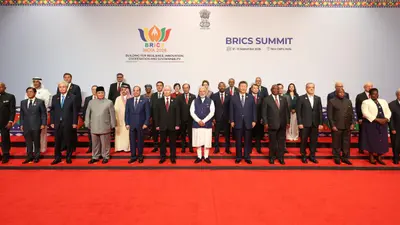
The BRICS summit in New Delhi on Saturday, September 12, 2026, ended with the 11 member grouping adopting the New Delhi Declaration after India helped forge a last minute consensus between Iran and the United Arab Emirates over language concerning the on going war in West Asia.
The compromise came as differences emerged over how the grouping should address the escalating conflict in the region. Iran and the UAE ultimately agreed on the wording, allowing the declaration to be adopted under the chairmanship of Prime Minister Narendra Modi.
The agreement highlighted India diplomatic role in bringing together countries with differing strategic interests at a time of heightened geopolitical tensions.
A Summit Shaped by Global Conflicts
The summit brought together several prominent world leaders, including Russian President Vladimir Putin, Chinese President Xi Jinping, Iranian President Masoud Pezeshkian and Abu Dhabi Crown Prince Mohamed bin Zayed Al Nahyan.
The gathering took place against a backdrop of growing international uncertainty, with the Russia,Ukraine war, instability in West Asia and new US tariff policies adding pressure to global diplomacy.
For BRICS, the challenge was not simply to issue a joint statement but to find language that could accommodate the competing positions of its members on some of the world's most contentious geopolitical issues.
India’s Consensus-Building Role
The last minute compromise between Iran and the UAE underscored the difficulty of maintaining unity with in an increasingly diverse BRICS grouping.
India's role in facilitating consensus reflects New Delhi's broader diplomatic approach of engaging with competing powers while attempting to keep channels of dialogue open. The adoption of the New Delhi Declaration ultimately allowed the summit to project a united position despite significant differences among member states.
A Declaration Amid Geopolitical Headwinds
The agreement also demonstrated the limits and possibilities of consensus within BRICS. With member countries pursuing different strategic priorities, reaching common language on sensitive international conflicts remains a complex diplomatic exercise.
The successful adoption of the declaration nevertheless gave India an opportunity to highlight dialogue and cooperation as tools for navigating an increasingly fragmented international environment.
As global tensions continue to reshape international relations, the New Delhi summit placed India diplomatic balancing act firmly in the spotlight showing that within BRICS, achieving agreement can sometimes be as significant as the statement it self.
Distribute This Chronicle
Independent commentary breaks corporate silence when readers circulate the ledger directly to their peers.
Attribution: Editorial
Examine Raw Source