
Politics
Indian Edition
NEET Leak Case Gets Speedy Trial Treatment, Justice, Now on a Deadline
The fast-track proceedings highlight the court emphasis on completing the NEET leak case efficiently while dealing with the seriousness of the allegations. The race against time framing should be…
CMS Admin
Editorial · Honestly Biased
AI Narrative Bias Audit
The headline racing against the clock framing adds urgency and drama, potentially making the court expedited proceeding appear more extraordinary than the underlying procedural facts alone establish.
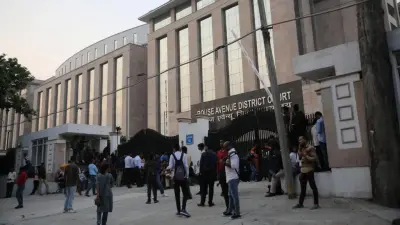
For over 40 days, Judge Ajay Gupta has been overseeing one of the country most closely watched examination paper leak cases at a pace that has left little room for delay.
At 10 am each working day, the Fast Track Special Court judge at Delhi Rouse Avenue Court takes his seat and works through the case against 13 accused in this year NEET UG paper leak. Chargesheet scrutiny, preliminary arguments and a series of interim applications have followed in quick succession, with Judge Gupta repeatedly pressing lawyers to appear on time and keep proceeding moving.
The case has been placed before a fast track court as authorities seek to ensure that the allegations surrounding the NEET UG examination are examined without prolonged procedural delays. The proceedings involve scrutiny of the chargesheet and arguments concerning the allegations against the accused.
The court day to day schedule reflect the effort to maintain momentum in a case that has attracted considerable public attention. With multiple accused and a range of applications before the court, the proceedings require the judge to balance speed with the procedural safeguards available to the accused.
The NEET UG paper leak controversy has already triggered wider questions about examination security, accountability and the credibility of competitive examinations in India. The court proceedings now provide a judicial forum for examining the specific allegations and evidence presented by investigators.
While the fast track approach is intended to reduce delays, the pace of proceeding does not by itself determine the merits of the prosecution’s case. Those questions will ultimately depend on the evidence presented before the court, the arguments of both sides and the judicial finding reached during the trial.
Distribute This Chronicle
Independent commentary breaks corporate silence when readers circulate the ledger directly to their peers.
Attribution: Editorial
Examine Raw Source