
Politics
Indian Edition
Nikahnama Get a New Clause, Uttarakhand Waqf Board Brings Inheritance, Halala Rule
The Uttarakhand Waqf Board is seeking to revise the nikahnama, reportedly incorporating provisions related to inheritance, divorce and halala with in the marriage document. The proposal concern…
CMS Admin
Editorial · Honestly Biased
AI Narrative Bias Audit
The headline is some what loaded because from inheritance to halala frames the proposed nikahnama changes through potentially contentious religious issue, which may create a more provocative impression than a neutral description of the proposal.
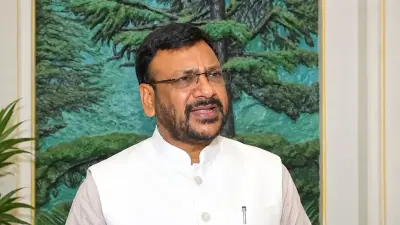
The Uttarakhand Waqf Board is preparing a revised nikahnama aimed at aligning marriage documentation with provision of the Uniform Civil Code (UCC), with proposed changes covering inheritance, multiple marriages, halala and iddat.
Board chairman Shadab Sham said one of the key proposal would state that daughters should retain an equal share in their father property even after marriage. This would differ from the traditional inheritance framework under which, when a son and daughter inherit together, the daughter generally receives a fixed share that is half that of the son.
The proposal comes around one and a half year after Uttarakhand implemented the UCC. According to Shams, the existing nikahnama contains separate columns for first, second and third marriages. The revised document would remove these provisions in line with the UCC, which does not permit a Muslim man to have more than one marriage.
Another proposed provision concerns halala, particularly situations in which women are allegedly subjected to the practice against their wishes. Under the practice described in the proposal, a woman who has received an irrevocable final divorce from her husband marries another man and subsequently becomes divorced or widowed before potentially remarrying her former husband.
Shams said the UCC does not permit a woman to be forcibly subjected to halala and provides for criminal action against those involved in forcing such a practice. The Waqf Board plans to include information about these rights in the revised nikahnama so that women are aware of the legal protection available to them.
The proposed document may also include a toll-free helpline through which women can report difficulties or seek assistance.
The revised nikahnama is also expected to address iddat, the period traditionally observed by a Muslim woman following her husband's death. While the traditional mourning period after a husband death is four months and 10 days, the proposed provision would state that a woman should have the freedom to decide how long she wishes to observe it.
The proposed change would represent an effort to bring the nikahnama in Uttarakhand in line with the state UCC framework. Their implementation and precise wording will depend on the Board's final document and the applicable legal provision.
Distribute This Chronicle
Independent commentary breaks corporate silence when readers circulate the ledger directly to their peers.
Attribution: Editorial
Examine Raw Source