
Politics
Indian Edition
One Million Swayamsevaks, One Message, Farmers Draw Red Line on Trade Deals
The proposed million strong mobilisation highlight the scale of the farmers opposition but may frame the trade deal dispute primarily as a confrontation rather than a debate over agricultural…
CMS Admin
Editorial · Honestly Biased
AI Narrative Bias Audit
The framing emphasizes the dramatic one million swayamsevaks mobilisation while portraying opposition to trade deals as a confrontational campaign, potentially obscuring the farmers’ specific economic concerns and policy arguments.
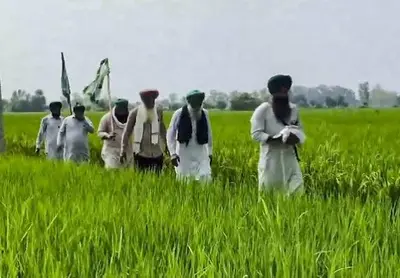
The Samyukt Kisan Morcha (SKM), an umbrella organisation representing around 500 farmers outfits, has announced an ambitious nationwide campaign against bilateral and multilateral trade agreements that India has signed or is considering with other countries.
The organisation plans to enrol one million young kisan swayamsevaks farmer volunteers who will help build opposition to free trade agreements (FTA). As part of the campaign, the SKM says it will organise kisan panchayats across one lakh villages during September and October, aiming to take its message directly to farming communities.
The announcement was made by SKM leaders during a press interaction on Thursday, September 3, 2026. According to the organisation, its representatives have already met more than 100 Ministers, MPs and MLAs across the country, presenting a charter of demands that includes the cancellation of all FTAs.
The SKM has also approached Prime Minister Narendra Modi, seeking a meeting with him. The organisation said the Prime Minister Office had received its letter but had not yet provided an appointment.
SKM leaders criticised the government over what they described as a lack of engagement with farmers. They claimed that farmers constitute 65% of India population and argued that the Prime Minister’s alleged lack of interest in meeting their representatives demonstrated what they called the RSS,BJP combine lack of concern for the farming community.
However, that political claim is part of the SKM own framing and should be distinguished from independently established facts. The size of India farming population, the economic effects of individual trade agreements, and the government engagement with farmer organisations require separate examination rather than being settled by political assertions.
At the centre of the dispute is the question of how international trade agreements affect Indian agriculture. Supporters of FTAs generally argue that greater market access can create opportunities for exporters, while critics worry that cheaper imports could put pressure on domestic farmers and agricultural prices.
For the SKM, the concern is broad enough to warrant opposition to FTA altogether. Its planned village-level campaign suggests that the organisation intends to turn what can often be a technical trade policy debate into a mass political issue among farmers.
The million volunteer target also signals an attempt to build a large grassroots network around the issue. Whether the campaign succeeds will depend not simply on the number of volunteers enrolled but on its ability to translate concerns over trade policy into sustained mobilisation at the village level.
The government, meanwhile, will face the challenge of explaining the agricultural implications of existing and proposed trade agreements, including what protections are available for sensitive farm sectors and how potential export opportunities are expected to benefit producers.
Ultimately, the FTA debate should go beyond slogans on either side. Farmers concern over prices, import and market access deserve scrutiny, while the economic costs and potential benefits of individual trade agreements should be assessed on the basis of their actual provisions and likely impact not simply their political branding.
Attribution: Editorial
Examine Raw Source