
Politics
World Edition
Poll Prediction Take a Hit as Flavio Bolsonaro Overtake Lula in Brazil
Flávio Bolsonaro performance exceeded several pre election polling expectation, setting up a runoff against incumbent Luiz Inacio Lula da Silva. The result underscores the uncertainty of Brazil…
CMS Admin
Editorial · Honestly Biased
AI Narrative Bias Audit
The headline highlight Bolsonaro unexpected lead over Lula, framing the result as a surprise while avoiding deeper context about polling methodology, voter sentiment, and the broader political dynamics shaping Brazil runoff.
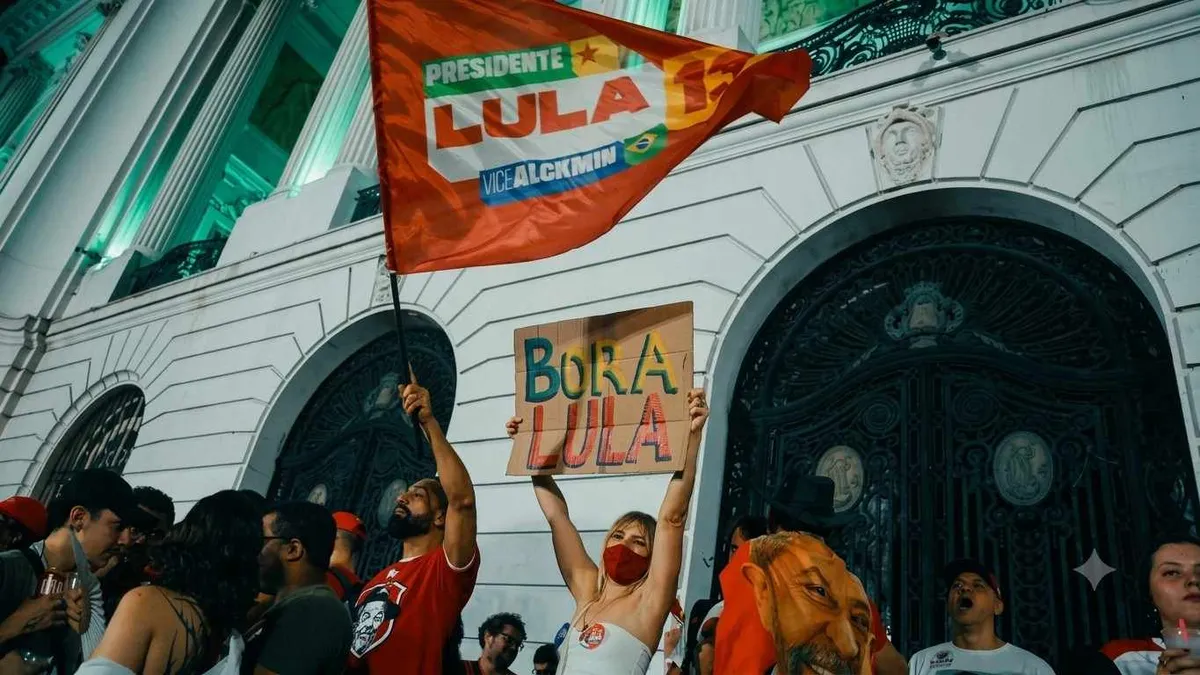
Brazil is heading for a high stake presidential run off after Senator Flavio Bolsonaro finished ahead of President Luiz Inacio Lula da Silva in the first round of voting, according to the country electoral authority on Sunday, October 4, 2026.
With just over 97% of ballots counted, Bolsonaro won 47.45% of valid votes, while Lula secured 44.66%. Neither candidate obtained enough support to secure the presidency in the first round, sending the election to a direct run off between the two leading contenders.
Bolsonaro Outperforms Poll Expectations
The first round result was notable because Flavio Bolsonaro performed better than forecast from most private opinion survey conducted before the election.
The polling had indicated a competitive contest, but Bolsonaro final vote share put him ahead of Lula as the count progressed. The result demonstrated the difficulty of accurately measuring voter intentions in a closely contested election, particularly when the final margins are relatively narrow.
Bolsonaro, a senator and member of the Bolsonaro political family, entered the election as the right wing challenger. His first round performance gives his campaign momentum heading into the run off, although the final contest will depend on how voters who supported other candidates decide to vote.
Lula Advances to the Second Round
President Luiz Inacio Lula da Silva, a veteran figure in Brazilian politics and leader associated with the country left, finished second with 44.66% of valid vote.
Although Lula did not finish first in the opening round, his strong vote share ensures his place in the runoff. His campaign will now have to broaden its support base and appeal to voters who did not back him in the first round.
The run off will therefore create a direct contest between two contrasting political camps, with voters facing a choice between Bolsonaro and Lula.
Why the Run off Matters
Brazil uses a two round presidential election system when no candidate obtains the required majority in the first round. The runoff gives the two leading candidates an opportunity to compete directly for the presidency.
The next phase of the campaign is likely to bring greater attention to issues including the economy, inflation, employment, public security, government spending, social programmes and Brazil position on the international stage.
Both candidate will also seek support from voters whose preferred candidates failed to reach the second round.
Polls Face Fresh Questions
One of the immediate take away from the first round result is the gap between polling expectation and the actual vote.
Bolsonaro 47.45% share was higher than the estimate in most private surveys, while Lula 44.66% result produced a much closer final picture than some forecasts had indicated.
Polling organisation typically rely on samples of voters to estimate the broader electorate, meaning their projection can differ from the eventual result because of sampling, turn out, undecided voters and changes in voter preferences during the final stages of a campaign.
The Brazilian election therefore provides another example of why opinion polls are estimates rather than guarantees of electoral out come.
A Closely Contested Final
With the first round complete, attention will now turn to the runoff campaign. Bolsonaro and Lula will have to compete not only with each other but also for the support of voters who backed eliminated candidates.
The two campaign are expected to intensify their effort across Brazil as they attempt to build a majority for the second round. Political alliances, campaign messaging and voter turnout could all play important roles in determining the final result.
For Bolsonaro, the challenge will be to maintain the support that produced his strong first round performance while attracting additional voters. For Lula, the task will be to convert his substantial first round support into a majority in the run off.
What Happens Next
The first round has narrowed Brazil presidential race to two candidates, Flavio Bolsonaro and Luiz Inacio Lula da Silva.
The run off will provide the decisive vote and determine who takes the presidency. Until then, the first round numbers offer a snapshot of Brazil political landscape, while the final outcome remain dependent on the second round vote.
The result has also ensured that the next stage of Brazil presidential election will receive intense domestic and international attention as voters prepare to return to the polls.
Distribute This Chronicle
Independent commentary breaks corporate silence when readers circulate the ledger directly to their peers.
Attribution: Editorial
Examine Raw Source