
Politics
Indian Edition
Protest Goes Nationwide, Delhi Detain Hundreds as Mumbai Takes the Fight to Shivaji Park
Protests against CEC Gyanesh Kumar were reported in Delhi and Mumbai, with Delhi Police detaining hundreds of protesters near Jantar Mantar. The event reflect continued political opposition to the…
CMS Admin
Editorial · Honestly Biased
AI Narrative Bias Audit
The headline uses dramatic phrases such as Protest Goes Nationwide and Take the Fight that may amplify the scale and confrontational nature of the demonstrations beyond the factual description of protests and detentions.
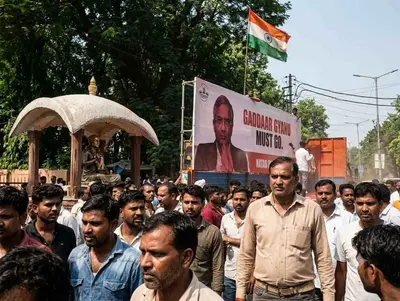
The political opposition to Chief Election Commissioner (CEC) Gyanesh Kumar intensified on Friday, October 2, 2026, as more than 500 protesters were detained by the Delhi Police during a demonstration at Jantar Mantar.
The protester included AAP leaders Saurabh Bharadwaj, Sanjeev Jha, Atishi and Sanjay Singh, along with activists associated with student organisations including the All India Students Association (AISA), Students Federation of India (SFI) and National Students Union of India
The demonstration centred on allegations concerning the Special Intensive Revision of electoral rolls. Political parties and protest groups have alleged that the exercise has resulted in the deletion of large numbers of voters and raised concerns about the inclusion of eligible electors in electoral rolls.
Protesters Demand CEC Resignation
The protesters have demanded the resignation of CEC Gyanesh Kumar, linking their demand to their objections over the conduct and impact of the SIR exercise.
The allegations have become part of a wider political debate over the functioning of the Election Commission, the revision of electoral rolls and safeguards for eligible voters.
The issue has also prompted discussions over the legal and constitutional process governing the removal of a Chief Election Commissioner. Any such process is governed by constitutional provisions and the relevant statutory frame work.
Political Leaders Among Those Detained
Several prominent AAP leaders were among those detained during Friday demonstration in Delhi.
Saurabh Bharadwaj, Sanjeev Jha, Atishi and Sanjay Singh were among the political figures participating in the protest. Activists from various student organisations also joined the demonstration.
The detention of a large number of protesters became one of the central development of the Delhi demonstration, as the protester attempted to press their demands against the CEC.
The circumstances surrounding individual detentions, including the legal grounds and duration of detention, would need to be assessed separately on the basis of official police statements and subsequent proceeding.
Mumbai Protest Adds to the Political Tension
The issue was not limited to Delhi. In Mumbai, CJP founder Abhijeet Dipke is scheduled to hold a protest at Shivaji Park against CEC Gyanesh Kumar.
CJP has been demanding Mr. Kumar resignation and has accused him of acting against democratic principles. These are allegations made by the organisation and represent its stated position on the issue.
However, the Mumbai Police have not granted permission for the proposed protest at Shivaji Park.
The lack of permission has created a separate dispute over whether and where the demonstration can take place. The situation in Mumbai therefore adds another dimension to the ongoing political campaign surrounding the CEC and the SIR exercise.
Why the SIR Exercise Has Become Controversial
The Special Intensive Revision of electoral rolls has emerged as a major point of political disagreement.
Supporters of the exercise have argued that electoral rolls need to be periodically reviewed and updated to address inaccuracies and ensure that electoral records remain current. Opposition parties and several activist groups, however, have raised concerns about the possible exclusion of eligible voters during the revision process.
The disagreement has consequently moved beyond the technical question of updating electoral rolls and into a broader political debate over voter rights, electoral safeguards and the responsibilities of election authorities.
Debate Over the Election Commission
At the centre of the protest is a wider discussion about the Election Commission of India and the role of the Chief Election Commissioner.
Opposition parties and protest groups have questioned the manner in which the SIR exercise has been conducted and have called for greater accountability. The Election Commission role in maintaining electoral rolls, meanwhile, makes the issue particularly significant because changes to voter lists can directly affect citizens ability to participate in election.
The competing claim surrounding the SIR process remain politically contested, making verified data, official explanations and legal scrutiny important to understanding the issue.
Delhi and Mumbai Become Key Protest Points
Friday developments in Delhi and the proposed demonstration in Mumbai indicate that opposition to the CEC has extended beyond a single political gathering.
While more than 500 people were detained in Delhi, the proposed Mumbai protest has encountered an administrative hurdle because police permission has not been granted for the event at Shivaji Park.
The two development have placed the focus once again on the CEC, electoral roll revision and the political controversy surrounding the SIR exercise.
For now, the central questions remain how the electoral-roll revision is being implemented, how claim of voter deletion are being addressed, and what legal and constitutional mechanism are available for scrutiny of the Election Commission and its officials.
As political parties and civil-society groups continue to raise objections, the controversy is likely to remain part of the wider debate over electoral administration and voter rights in India.
Distribute This Chronicle
Independent commentary breaks corporate silence when readers circulate the ledger directly to their peers.
Attribution: Editorial
Examine Raw Source