
Politics
Indian Edition
Rain Stop, Gurugram Traffic Doesn’t, Wate logging Takes Charge
The report highlight Gurugram persistent water logging and traffic congestion following heavy rain, suggesting short coming in drainage and urban infrastructure. However, attributing the disruption…
CMS Admin
Editorial · Honestly Biased
AI Narrative Bias Audit
The narrative emphasizes Gurugram recurring infrastructure and drainage failure, framing routine rainfall as evidence of persistent civic mis management while offering little context on rainfall intensity or broader urban factor.
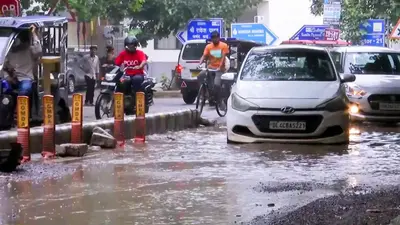
Gurugram- The skies opened up over Gurugram on Saturday (September 5, 2026), bringing welcome relief from the city humid heat but once again exposing its familiar struggle with heavy rainfall.
The afternoon downpour quickly led to waterlogging across several parts of the city, slowing traffic and disrupting the usual weekend movement. While residents may have welcomed the cooler weather, commuter were left dealing with flooded stretches of road and lengthy delay.
According to the available information, 36 mm of rainfall was recorded within just one hour. The intensity of the short spell was enough to put pressure on drainage systems in several areas.
Traffic slows across key stretch
One of the affected stretches was the road between Sarhaul Border and Rajiv Chowk, where traffic remained slow as rainwater accumulated on parts of the route.
For motorists, what began as a welcome break from the heat soon turned into a familiar monsoon headache. Vehicles moved at a reduced pace, while waterlogged sections made already busy roads more difficult to navigate.
In Gurugram, the relationship between rain and traffic congestion has become almost predictable, the clouds arrive, the roads collect water and commuters prepare for a longer journey.
Waterlogging remains a recurring challenge
The latest disruption has once again drawn attention to the city ability to handle intense bursts of rainfall. Gurugram has expanded rapidly over the years, with extensive construction, paved surfaces and growing traffic placing increasing pressure on its urban infrastructure.
However, water logging cannot automatically be attributed to a single cause. The severity of flooding can depend on several factors, including the intensity and duration of rainfall, the capacity of drainage networks, local topography, construction patterns and the maintenance of existing stormwater infrastructure.
A short but intense spell can there for create problems even when the total rainfall over a longer period may not appear unusually high.
Relief from heat, trouble on the roads
For resident, Saturday rain brought a mixed experience. The showers provided much needed relief from the humid conditions, but that relief came with a price for those travelling through affected area.
The situation also underlines the importance of preparedness during the monsoon season. Keeping drainage channels clear, identifying vulnerable stretches and responding quickly to water accumulation can help reduce the impact on traffic and daily life.
A familiar Gurugram equation
The latest spell of rain may have lasted only about an hour, but its effects lingered on the roads considerably longer.
For Gurugram commuters, the lesson was familiar, the rain may leave quickly, but the traffic jam often stays behind.
As the monsoon continue, the focus will remain on whether the city can improve its response to intense rainfall and prevent short spells of rain from turning into hours of disruption.
Distribute This Chronicle
Independent commentary breaks corporate silence when readers circulate the ledger directly to their peers.
Attribution: Editorial
Examine Raw Source