
Politics
Berkshire Edition
Recycling Goes Backwards as Reduced Bin Collections Mark Their First Birthday
The story examines the impact of reduced bin collections one year after their introduction, focusing on changes to household waste and recycling routine. While concerns about inconvenience and…
CMS Admin
Editorial · Honestly Biased
AI Narrative Bias Audit
The narrative highlights the disruption and public frustration associated with reduced bin collections while giving comparatively less attention to the council stated reasons, environmental objective and operational constraint.
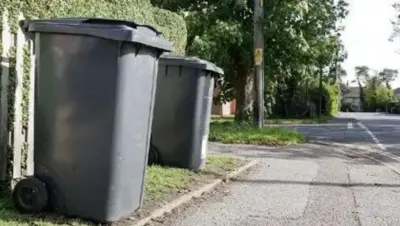
West Berkshire three weekly black bin collection scheme has reached its one year mark with the council reporting its highest ever recycling rate, although the change continues to divide opinion among residents.
West Berkshire Council moved black-bin collections from fortnightly to every three weeks in September 2025, a decision that triggered complaint and an online petition signed by more than 1,600 people. The council said the policy was designed to increase recycling, reduce waste and support its longer term environmental objectives.
According to provisional figures for 2025,26, the authority’s recycling rate has now reached 55%, compared with 52.5% in 2024,25, 53.4% in 2023-24 and 49.8% in 2022,23.
The figure is also above the overall recycling rate for England, which stood at 42% in 2024-25, according to government statistics.
From cost cutting to recycling gains
The council say the collection changes have produced financial as well as environmental benefits.
Stuart Gourley, the council member for the environment, said West Berkshire was on track to save £488,000 by next year, significantly above its original savings target of £150,000.
The authority said the savings could help it protect essential services and redirect money toward other priorities.
The first three months of the new system also resulted in around 1,000 fewer tonnes of waste being collected, representing a 15% reduction.
The council had previously warned that continuing to collect the same volume of black-bin waste could result in a £1.4m bill from the government. It had also been among the UK highest waste producing areas and faced the prospect of penalties under legislation due to take effect in 2027,28.
Residents adjust to the new routine
The transition was not universally welcomed.
Hundreds of residents were reported to have expressed dissatisfaction with the move, while more than 1,600 people signed a petition opposing the changes. However, the council said a larger number of residents told it they could cope, or sometimes cope, with the three weekly schedule.
Under the current system, food waste is collected every week, recycling every two weeks and black bins every three weeks. Communal bins serving blocks of flats remain on a fortnightly collection schedule.
For some residents, what initially appeared to be an inconvenience has encouraged changes in house hold habits.
Ian Mucklejohn, from Newbury, said he had been disappointed when the change was announced but found the system easier to manage than expected. He said it had encouraged him to pay closer attention to packaging and whether items could be recycled.
Positive change
Other resident said the system remained challenging, particularly during warmer weather.
Chris Hughes, from Purley on Thames, said households had to be careful about keeping bins clean and protected because longer collection intervals could attract unwanted pests and create additional problems.
Nevertheless, he said the changes could be worthwhile if they delivered the intended environmental benefits.
The council has also attempted to address capacity concerns. Gourley said more than 1,000 additional capacity bins had been issued since the scheme was introduced, including second bins for residents with particular needs.
A year later, the numbers tell part of the story
West Berkshire experience illustrates the tension between environmental targets, financial pressures and the practical realities of household waste collection.
The reported 55% recycling rate and reduction in waste collected suggest that the policy has coincided with measurable changes in recycling and waste behaviour. At the same time, the complaints and petition demonstrate that changing collection schedules can impose additional responsibilitie on house holds.
For residents, the question is therefore no longer simply whether bins are collected every two or three weeks, but whether the environmental and financial gains are sufficient to justify the changes required at home.
One year on, West Berkshire bins may be waiting a little longer but the council argue that the results suggest the experiment is moving in the direction it intended.
Distribute This Chronicle
Independent commentary breaks corporate silence when readers circulate the ledger directly to their peers.
Attribution: Editorial
Examine Raw Source