
Politics
Indian Edition
Russia Send the Oil, Trump Send the Tariff, India Faces a 100% Plot Twist
The US House has advanced a Russia sanctions bill that could give President Donald Trump expanded authority to impose tariffs of up to 100% on countries that continue purchasing Russian energy.…
CMS Admin
Editorial · Honestly Biased
AI Narrative Bias Audit
The headline frames the US sanctions bill as a direct tariff threat to India, emphasising Trump potential 100% tariffs while giving less attention to the bill broader purpose of targeting countries that continue economic ties with Russia.
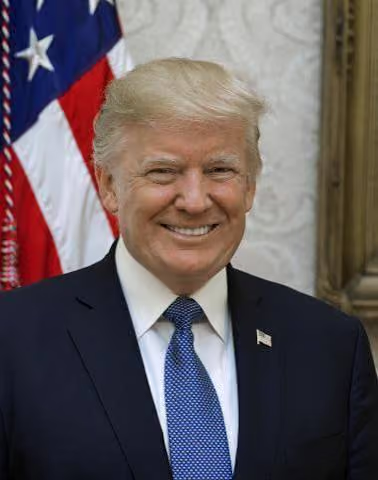
The US House of Representatives has advanced legislation that could give President Donald Trump expanded powers to impose tariffs of up to 100 per cent on countries that continue purchasing Russian oil and gas, with India and China among the potential target.
The measure, known as the Lindsey O. Graham Sanctioning Russia and Iran Act of 2026, cleared a key procedural hurdle in the House on Tuesday evening. The vote was 214 211, with two Democrats joining Republicans in supporting the measure, despite concerns from some senior Democrats about the scope of presidential authority over tariffs.
The legislation is expected to face a final House vote before lawmakers leave for an early recess on Thursday. If approved, it would clear the congressional process and could then be sent to President Trump for his signature.
The US Senate had already passed the legislation on August 7 by an overwhelming 86,11 vote. The bill proposes sanctions targeting Russia leadership, energy and defence sectors, as well as its so called shadow fleet of vessels accused of helping Moscow bypass existing restrictions on oil shipment.
A major provision would authorise Trump to impose tariffs of up to 100 per cent on major purchasers of Russian oil. The Senate version does not explicitly name individual countries, instead referring to the five largest importers of Russian oil and gas by volume.
India and China have emerged as potential targets under the proposed secondary tariff provisions because of their continued purchases of Russian energy.
However, the legislation's advancement does not mean that India will automatically face a 100 per cent tariff. Any such measure would depend on the final legislation and how the Trump administration chooses to exercise the authority provided by Congress.
For India, the development adds another layer to an already sensitive trade and diplomatic relationship with Washington, particularly as New Delhi continues to maintain energy ties with Moscow while pursuing broader economic and strategic cooperation with the United States.
Distribute This Chronicle
Independent commentary breaks corporate silence when readers circulate the ledger directly to their peers.
Attribution: Editorial
Examine Raw Source