
Politics
Indian Edition
US Threaten 100% Tariff, India Reply, People First, Pressure Later
India response to the US threat of a 100% tariff over Russian oil reflects the tension between New Delhi energy interest and Washington efforts to pressure countries trading with Russia. The dispute…
CMS Admin
Editorial · Honestly Biased
AI Narrative Bias Audit
The headline uses a mildly satirical framing that contrasts US tariff pressure with India stated priority of protecting the interests of its 1.4 billion people, potentially simplifying the broader economic and diplomatic considerations involved.
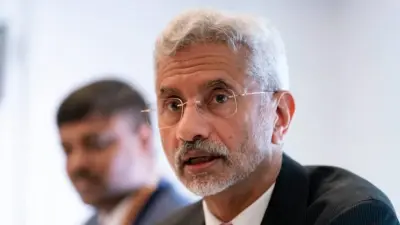
India has reiterated that securing energy supplies for its 1.4 billion people remains a key priority after the US House of Representatives passed legislation giving President Donald Trump authority to impose tariff of up to 100% on countries purchasing Russian oil and gas.
The Ministry of External Affair (MEA) said New Delhi remains committed to ensuring energy security through diversified sources and in response to changing market conditions. The ministry also said India has made its concerns clear to US officials regarding the potential impact of the legislation on bilateral relations and international energy markets.
The US House on Wednesday passed the Lindsey O. Graham Sanctioning Russia and Iran Act of 2026 by a 262,159 vote. The Senate had already approved the legislation, which targets Russia energy and financial sectors and gives the US president authority to impose tariffs of up to 100% on major buyers of Russian energy, including India and China. The bill now awaits Trump's signature.
For New Delhi, the issue goes beyond the immediate threat of higher US tariffs. India has repeatedly emphasised the importance of maintaining access to affordable and reliable energy while diversifying its sources according to market conditions. The MEA said the government would take all necessary measures to protect India's trade and economic interests and would work with trade and industry bodies to address the consequences of the latest US move.
The legislation is part of Washington's broader effort to increase economic pressure on Russia over its war in Ukraine by targeting countries that continue to purchase Russian energy. The measure also contains additional sanctions relating to Iran and Russia's energy and defence sectors.
The potential tariff authority has therefore created another point of friction in India-US economic relations. While the legislation authorises tariffs of up to 100%, its actual imposition would depend on decisions by the US administration rather than taking effect automatically upon the House vote.
India's response has so far focused on energy security, economic interests and continued engagement with Washington. The MEA said the implications of the legislation had already been discussed at senior levels with US interlocutors, signalling that New Delhi is assessing both the bilateral and wider international energy market consequences as the legislation moves toward the White House.
The development leaves India facing a potentially significant trade policy challenge, balancing its energy requirements and diversified sourcing strategy with the possibility of substantially higher tariffs in the US market if Washington chooses to use the authority provided by the new legislation.
Distribute This Chronicle
Independent commentary breaks corporate silence when readers circulate the ledger directly to their peers.
Attribution: Editorial
Examine Raw Source