
Politics
Indian Edition
Vote Chori Returns, AAP, Left Parties Dust Off Old Allegations
AAP and Left parties have renewed allegations of vote chori, bringing the issue back into the political spotlight. The claims remain allegation unless supported by verified evidence or finding from…
CMS Admin
Editorial · Honestly Biased
AI Narrative Bias Audit
The headline frames the AAP and Left parties renewed allegations through a mildly satirical lens, potentially suggesting repetition while avoiding a conclusion on whether the vote chori claims are substantiated.
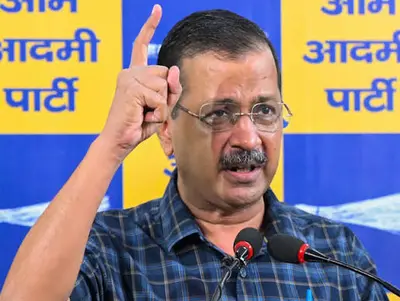
The political battle over alleged vote chori has intensified, with the Aam Aadmi Party and the Communist Party of India launching fresh attack on the Bharatiya Janata Party (BJP) and raising serious questions over the functioning of the Election Commission during the Special Intensive Revision of electoral rolls.
The latest controversy follows revelations that the SIR process was approved despite objections reportedly raised among the Election Commissioner. The reported disagreements have given Opposition parties fresh ammunition to question how decisions concerning electoral rolls were taken and whether adequate safe guards were followed before the exercise was cleared.
The SIR process involves reviewing electoral rolls and verifying voter details. While such revisions are intended to improve the accuracy of electoral records, political parties have increasingly focused on the possibility of eligible voters being removed from the rolls during the exercise.
AAP Calls SIR a Vote Chori Issue
The AAP has strongly objected to the deletion of voters from electoral rolls allegedly linked to the SIR process. The party has argued that large scale removal of names could potentially influence electoral outcomes and has accused the BJP of benefiting politically from the exercise.
The party described the alleged deletion of voters as the biggest scam in independent India, escalating what was already a political dispute into a much broader challenge to the credibility of the electoral process.
AAP leaders have demanded greater transparency around the voter verification exercise and questioned whether the process could disproportionately affect certain section of the electorate.
Kejriwal Targets Election Commission
Former Delhi chief minister Arvind Kejriwal has taken the criticism a step further by directly targeting Chief Election Commissioner Gyanesh Kumar.
Kejriwal referred to Kumar as the chief of the alleged vote chori and demanded his immediate arrest. His remarks represent a sharp escalation in the Opposition criticism of the poll panel.
The Election Commission, however, is a constitutional institution responsible for conducting elections and maintaining electoral rolls. Allegations against individual officials therefore carry significant political and institutional implications and require evidence and due process to establish.
CPI(M) Joins the Opposition Attack
The CPIM has also criticised the BJP and questioned the Election Commission handling of the SIR exercise. The Left party intervention has added another voice to the Opposition demand for greater accountability and transparency.
The central issue is not simply the political language surrounding vote chori, but whether the electoral-roll revision process has adequate mechanisms to prevent eligible voters from being removed incorrectly.
Opposition parties have argued that any large scale deletion of voter names should be accompanied by clear explanations, accessible verification procedures and effective opportunitie for affected citizens to raise objections.
Why Electoral Rolls Matter
Electoral rolls form the foundation of the voting process. A person whose name is missing from the final electoral roll can face difficulties exercising their right to vote, making the accuracy of voter lists particularly important.
At the same time, electoral authorities routinely undertake revision exercises to remove duplicate, deceased or otherwise ineligible entries and to incorporate eligible voters. The challenge is ensuring that such exercises do not inadvertently exclude genuine voters.
This is why the reported objections within the Election Commission have attracted political attention. Questions over how those objections were considered, what safeguards were applied and how disputed deletions can be challenged are likely to remain central to the debate.
Political Fight Moves Beyond Vote Chori
The latest confrontation shows how the phrase vote chori has evolved into a major political slogan for Opposition parties challenging the electoral process.
For the AAP and CPIM, the SIR controversy is being presented as evidence of a larger problem involving electoral transparency and institutional accountability. The BJP and the Election Commission position, along with the factual basis for individual voter deletions, remains crucial to assessing the competing claims.
Ultimately, allegation of electoral manipulation need to be distinguished from verified finding. Political accusation can intensify a debate, but questions surrounding voter deletions, Election Commission procedures and alleged irregularities require documentary evidence, official explanations and independent scrutiny.
As the dispute continues, the focus is likely to remain on one basic question- how can India ensure that electoral roll revisions remove ineligible entrie without accidentally disenfranchising eligible voters?
Distribute This Chronicle
Independent commentary breaks corporate silence when readers circulate the ledger directly to their peers.
Attribution: Editorial
Examine Raw Source