
Tech
Indian Edition
No Foreign Chips Allowed, Smart Meters Put on Domestic Chip Diet by 2028
The proposed mid 2028 domestic chip mandate for smart meters signal a push toward greater reliance on India made semiconductor technology and reduced dependence on import. However, its success will…
CMS Admin
Editorial · Honestly Biased
AI Narrative Bias Audit
The story frames the government domestic chip mandate for smart meters primarily through the lens of technological selfnreliance, while giving less attention to potential implementation cost, industry challenge and consumer impact.
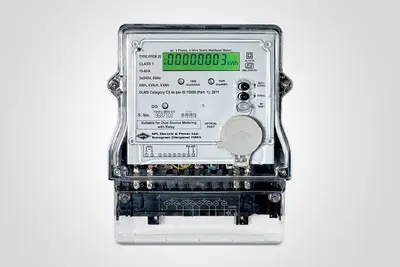
India is preparing to make smart meters more dependent on homegrown technology, with the government planning to mandate the use of domestically designed chips by mid 2028.
Power Secretary Pankaj Agarwal said the move is being considered primarily to address cyber security concerns linked to the chips used in smart meters. He was speaking at the 2nd Indian Power Sector Conference, organised by industry body FICCI.
Cybersecurity Drives the Push for Domestic Chips
Smart meters are increasingly becoming an important part of India electricity infrastructure, allowing utilities to collect consumption data and manage electricity services digitally. But greater connectivity also creates potential cyber security risk, particularly when critical hardware and components are sourced from outside the country.
Agarwal stressed the need for chips used in smart meters to be designed and manufactured domestically, arguing that Indian technology companies and smart meter manufacturer are already working towards that goal.
According to Agarwal, several chip developers and smart meter manufacturer are currently involved in developing indigenous solutions. Some chips are already being designed, while other are in the design process and will need to undergo testing and validation before entering commercial production.
From Design to Commercial Production
Agarwal indicated that the transition could happen relatively quickly once the chips successfully complete testing and validation.
The process will involve developing the chips, testing their performance and security, validating them for use in smart meters and eventually moving to commercial scale production.
The proposed mid 2028 deadline therefore gives the domestic semiconductor ecosystem a defined timeframe to develop and scale the required technology.
The Bigger Semiconductor Push
The smart meter initiative comes amid India's broader efforts to strengthen domestic semiconductor capabilities and reduce reliance on imported technology.
For the power sector, the issue goes beyond manufacturing. Smart meters form part of increasingly digital electricity networks, making the security of their hardware and software an important consideration.
However, moving to domestically designed chips will also require manufacturers to demonstrate that the technology can meet required security, reliability, performance and cost standards at scale.
Distribute This Chronicle
Independent commentary breaks corporate silence when readers circulate the ledger directly to their peers.
Attribution: Editorial
Examine Raw Source