
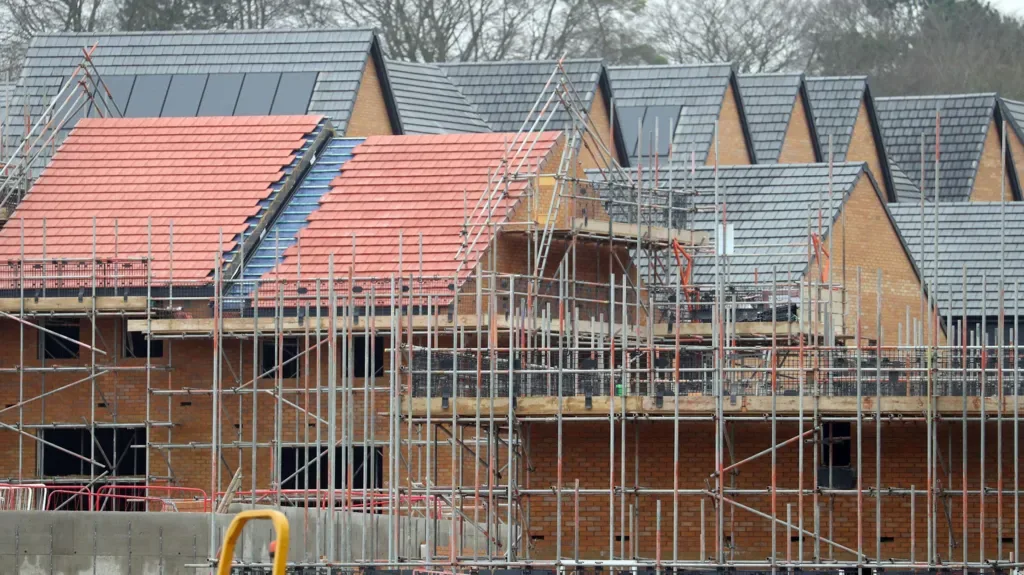
Mayors across England are set to receive expanded powers to intervene in major planning decisions, allowing them to overrule local councils on certain developments.
The changes will apply to proposals involving more than 150 homes, over 15,000 square metres of commercial space, or buildings exceeding 30 metres in height.
The government says the reforms are designed to help mayors accelerate housebuilding and regeneration, while critic argue they could reduce the influence of local councils and communities over planning decisions.
13 Mayoral Areas to Receive New Powers
Mayors in 13 areas will gain powers similar to those already held by London Mayor Sir Sadiq Khan, who can call in planning applications for consideration at the mayoral level.
The powers will cover mayoral authorities including-
Greater Manchester
Liverpool City Region
West of England
West Midlands
North East England
South Yorkshire
West Yorkshire
York and North Yorkshire
Hull and East Yorkshire
Greater Lincolnshire
Cambridgeshire and Peterborough
East Midlands
Tees Valley
The government is also proposing to give mayors the ability to grant up front permission for certain developments, potentially allowing construction to begin without developers having to submit individual planning applications.
A consultation setting out how the new powers will operate is expected to be published next week.
Government Says Powers Are Needed to Boost Housebuilding
Housing Minister Matthew Pennycook described the new authority as an essential part of the toolkit for mayors seeking to deliver new homes and regeneration.
The Labour government has pledged to build 1.5 million homes in England by the end of the decade, a target that housebuilders have warned could be difficult to achieve.
Pennycook acknowledged that the target was really stretching but said the scale of the housing challenge required the government to maintain its ambition.
He pointed to the fact that nearly 180,000 children are living in temporary accommodation, arguing that a smaller housing target would not adequately address the problem.
Local Councils Will Still Handle Most Applications
The government has stressed that the reforms will not remove planning powers from councils altogether.
Most planning applications will continue to be decided by local authorities, while mayoral interventions will apply to specified major developments. Officials have also emphasised that decisions will remain subject to existing planning rules.
Mayors are also expected to receive a greater role in determining how housing funding is allocated within their regions. The government has directed national housing agency Homes England to place greater emphasis on the priorities identified by local mayors.
Burnham Calls for Greater Devolution
Greater Manchester Mayor Andy Burnham has repeatedly argued for more powers to be transferred to elected mayors.
Speaking to the Sunday Times, Burnham said local decision making should also be open to challenge when proposed developments could have unacceptable effects on communitie.
He has also called for mayors to receive a share of income tax revenue, saying he wants to bring power home across the country.
The government has separately announced a programme allowing high-performing civil servants to work temporarily in mayoral offices.
Conservatives Raise Concerns Over Local Democracy
The reforms have drawn criticism from opposition parties.
The Conservatives questioned whether councils should lose their ability to make planning decisions within their own communities.
Shadow Housing Secretary Sir James Cleverly argued that the government was reducing councils planning authority while making other changes that could face opposition from local communities.
The Liberal Democrats also criticised the proposals. Their housing and planning spokesperson Gideon Amos argued that transferring authority away from local councils could weaken the influence of local resident.
Fears of a Two Tier System
Some criticism has also focused on the possibility of different planning systems developing between areas with elected mayors and those without them.
The Liberal Democrats have warned that the reforms could contribute to a two tier system, potentially leaving communities without elected mayors with less influence over major development decisions.
The Greens criticised the proposal as additional central government intervention at a time when local authorities are already facing financial pressures.
Reform UK went further, describing the proposals as centralisation in disguise and arguing that devolved authorities need greater resources and genuine decision making powers rather than additional oversight from Westminster.
A Wider Debate Over Housing and Local Control
The new planning powers reflect a broader debate over how England should balance the need for more housing with local control over development.
The government argues that stronger mayoral powers could help overcome delays and unlock major housing and regeneration projects. Opponents, however, contend that speeding up development should not come at the expense of local councils and residents having a meaningful say in decisions affecting their communities.
The forthcoming consultation is expected to provide more detail on how the call in and up front permission powers will operate and what safeguards will apply.